















How to Replace Spark Plugs on a 2018 Toyota Tundra (Step-by-Step DIY Guide)
Tools, iridium plug tips, coil removal steps, and torque specs for a smooth, misfire-free install
How to Replace Spark Plugs on a 2018 Toyota Tundra (Step-by-Step DIY Guide)
Tools, iridium plug tips, coil removal steps, and torque specs for a smooth, misfire-free install


🔧 Tundra - Spark Plug Replacement
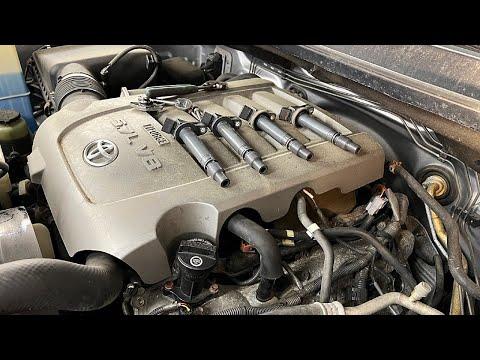
On your Tundra, the spark plugs fire the air/fuel mixture. Worn plugs can cause misfires, rough idle, and poor fuel economy. This job involves removing the ignition coils (one per cylinder) and replacing all 8 plugs.
Difficulty Level: Intermediate | Estimated Time: 2-4 hours
⚠️ Safety & Precautions
- ⚠️ Work on a fully cool engine to avoid burns and thread damage.
- ⚠️ Disconnect the negative battery cable before unplugging ignition coils.
- ⚠️ Do not over-tighten spark plugs; the cylinder heads are aluminum.
- ⚠️ Keep dirt out of the plug holes; debris can damage the engine.
🔧 Required Tools
You'll need the following tools for this repair:
- Safety glasses
- Nitrile gloves
- 10mm socket
- 3/8" ratchet
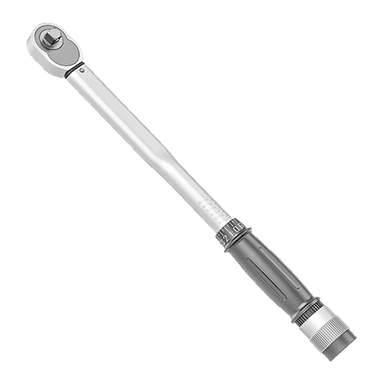
- 3/8" torque wrench (5-30 ft-lb range)
- 3/8" extension set (3", 6", 12")
- 3/8" universal joint
- 14mm thin-wall spark plug socket
- Flathead screwdriver
- Pliers
- Trim clip remover
- Compressed air blow gun
- Shop vacuum
- Small pick tool
- Dielectric grease
- Flashlight
🔩 Required Parts
HowToo sells all the parts you need for this repair:
- Iridium spark plugs (factory-style) - Qty: 8
- Ignition coil boot (optional, if torn/oil-soaked) - Qty: 0-8
📋 Before You Begin
- Park on level ground, shift to Park, and set the parking brake.
- Let the engine cool completely.
- Use a 10mm socket to disconnect the negative battery terminal and position it so it can’t spring back.
- Plan to replace plugs one cylinder at a time to avoid mixing up connectors.
🔨 Step-by-Step Instructions
Follow these steps in order:
Step 1: Remove the engine cover (if equipped)
- Lift off the cover by releasing its mounting points (some are press-fit).
- If yours uses fasteners, remove them with a 10mm socket.
Step 2: Make room to access the coils
- Remove the air intake tube/air box as needed for better access using a flathead screwdriver for hose clamps and a 10mm socket for bolts.
- Use pliers to release any hose clamps you must move aside.
- Take a quick photo before moving hoses.
Step 3: Unplug one ignition coil
- Locate an ignition coil on top of the valve cover.
- Press the connector lock and unplug it. If it’s stuck, gently help it with a small pick tool.
- Never pull on the wires.
Step 4: Remove the ignition coil
- Remove the coil hold-down bolt using a 10mm socket.
- Twist the coil slightly, then pull straight up to remove it.
- Torque to 9 Nm (80 in-lb) during reassembly.
- A “coil” is the part that makes high voltage for the plug.
Step 5: Clean the spark plug well
- Blow out the plug well using a compressed air blow gun.
- If there’s loose dirt around the well, use a shop vacuum first.
- Clean wells prevent debris falling into the cylinder.
Step 6: Remove the old spark plug
- Install a 14mm thin-wall spark plug socket on a 3/8" extension and 3/8" ratchet.
- Use a 3/8" universal joint if the angle is tight.
- Turn counterclockwise to remove the plug, then lift it out with the socket.
Step 7: Install the new spark plug
- Verify the new plugs are the correct iridium type for your Tundra.
- Do not change the gap on iridium plugs. They come pre-set.
- Thread the new plug in by hand first using the 14mm thin-wall spark plug socket and an extension only (no ratchet) so it doesn’t cross-thread.
- Tighten using a 3/8" torque wrench (5-30 ft-lb range): Torque to 18 Nm (13 ft-lb).
- Skip anti-seize unless the plug maker requires it.
Step 8: Reinstall the ignition coil
- Apply a tiny smear of dielectric grease inside the coil boot (the rubber sleeve that seals to the plug).
- Push the coil straight down until it seats.
- Install the coil bolt with a 10mm socket, then tighten with a 3/8" torque wrench: Torque to 9 Nm (80 in-lb).
- Reconnect the electrical connector until it clicks.
Step 9: Repeat for the remaining 7 cylinders
- Move to the next coil and repeat Steps 3-8.
- Use a flashlight to confirm every connector is fully seated.
- One cylinder at a time prevents mix-ups.
Step 10: Reinstall intake parts and engine cover
- Reinstall the air intake tube/air box using a flathead screwdriver and 10mm socket.
- Reinstall any trim clips using a trim clip remover if needed.
- Reinstall the engine cover.
Step 11: Reconnect the battery
- Reconnect the negative battery terminal using a 10mm socket.
✅ After Repair
- Start the engine and let it idle for 1-2 minutes. It should run smooth.
- If the check engine light is on or it runs rough, shut it off and re-check coil connectors and coil seating.
- Test drive 10-15 minutes and confirm no hesitation under light acceleration.
- If you have a scan tool, check for misfire codes and clear old codes after confirming the fix.
💰 DIY vs Shop Cost
Shop Cost: $450-$850 (parts + labor)
DIY Cost: $90-$200 (parts only)
You Save: $260-$760 by doing it yourself!
Shop labor rates vary but typically run $100-$150/hour. This repair takes a shop approximately 2-4 hours.
🎯 Ready to get started?
HowToo makes it easy: same-day/2-day shipping on every part, plus all the tools and specialty tools you need! Check out the parts and tools sections below to add everything to your cart.