









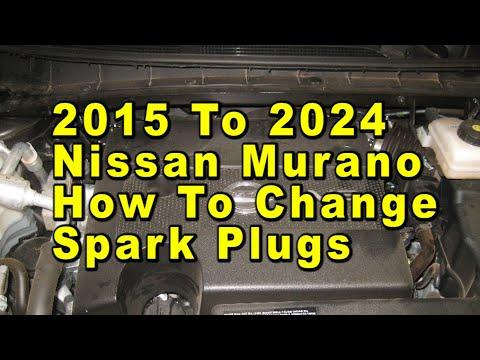





How to Replace Spark Plugs on a 2018 Nissan Murano 3.5L V6 (Intake Plenum Removal)
Step-by-step DIY instructions with required tools, parts list, safety tips, and key torque specs for 2009, 2010, 2011, 2012, 2013, 2014, 2015, 2016, 2017, 2018, 2019, 2020, 2021, 2022, 2023, 2024
How to Replace Spark Plugs on a 2018 Nissan Murano 3.5L V6 (Intake Plenum Removal)
Step-by-step DIY instructions with required tools, parts list, safety tips, and key torque specs for 2009, 2010, 2011, 2012, 2013, 2014, 2015, 2016, 2017, 2018, 2019, 2020, 2021, 2022, 2023, 2024


🔧 Murano - Spark Plug Replacement
On your Murano’s 3.5L V6, there are 6 spark plugs (3 front bank, 3 rear bank). The rear bank plugs sit under the upper intake plenum, so this job involves removing the intake plenum to reach them safely and correctly.
Difficulty Level: Advanced | Estimated Time: 3-5 hours
⚠️ Safety & Precautions
- ⚠️ Work on a fully cool engine to avoid burns and prevent stripping aluminum threads.
- ⚠️ Disconnect the negative battery cable to reduce the risk of short circuits while unplugging sensors and coils.
- ⚠️ Keep dirt out of the intake ports—cover openings with clean shop towels immediately.
- ⚠️ Do not use anti-seize on Nissan OEM-style plated spark plug threads unless the plug maker specifically requires it.
🔧 Required Tools
You'll need the following tools for this repair:
- Safety glasses
- Nitrile gloves
- 1/4" drive ratchet
- 3/8" drive ratchet
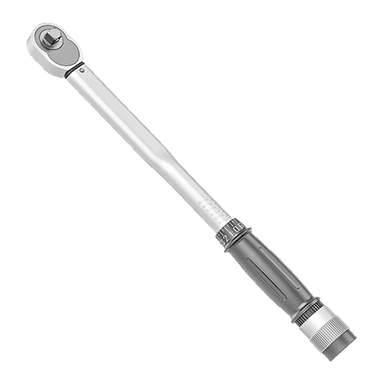
- 3/8" torque wrench (10-60 Nm range)
- 10mm socket
- 12mm socket
- 8mm socket
- 14mm thin-wall spark plug socket
- 3/8" extension set (3", 6", 10")
- 3/8" wobble extension
- Flathead screwdriver
- Needle-nose pliers
- Trim clip removal tool
- Pick tool
- Compressed air blow gun
- Shop towels
- Flashlight
🔩 Required Parts
HowToo sells all the parts you need for this repair:
- Iridium spark plugs (OEM equivalent) - Qty: 6
- Upper intake plenum gasket set - Qty: 1
- Throttle body gasket - Qty: 1
- Dielectric grease - Qty: 1
- Throttle body/intake cleaner - Qty: 1
📋 Before You Begin
- Park your Murano on level ground, shift to Park, and set the parking brake.
- Let the engine cool completely (ideally overnight).
- Use a 10mm socket to disconnect the negative battery terminal and isolate it so it can’t spring back.
- Take a few photos of hose routing and electrical connectors before removing anything. Photos prevent reassembly mistakes.
🔨 Step-by-Step Instructions
Follow these steps in order:
Step 1: Remove the engine cover and air intake duct
- Remove the plastic engine cover using a 10mm socket (if equipped).
- Unplug the mass airflow sensor connector (on the intake tube) by lifting the lock tab with a pick tool.
- Loosen the intake tube clamps using an 8mm socket or flathead screwdriver.
- Remove the intake duct/resonator assembly and set it aside using a trim clip removal tool if clips are present.
Step 2: Create access to the upper intake plenum
- Label and disconnect any vacuum hoses on the plenum using needle-nose pliers for spring clamps.
- Disconnect electrical connectors around the throttle body and plenum using a pick tool to release locks.
Step 3: Remove the throttle body from the plenum
- Remove the throttle body mounting bolts using a 10mm socket.
- Carefully move the throttle body aside without stressing the wiring harness; support it with shop towels.
- Remove and discard the old throttle body gasket using a pick tool.
- On reassembly later: Torque to 10 Nm (89 in-lb).
- Don’t push the throttle plate by hand.
Step 4: Remove the upper intake plenum
- Remove the upper plenum bolts/nuts using a 12mm socket with a 3/8" extension.
- Lift the plenum straight up and off; use a flashlight to confirm nothing is still connected.
- Immediately cover the exposed intake ports with clean shop towels.
- Remove and discard the old upper plenum gaskets using a pick tool.
- On reassembly later: Torque to 25 Nm (18 ft-lb).
Step 5: Remove ignition coils (front and rear bank)
- Unplug each ignition coil connector by releasing the lock using a pick tool.
- Remove each coil retaining bolt using a 10mm socket.
- Twist the coil boot slightly, then pull the coil straight up by hand.
- On reassembly later: Torque to 7 Nm (62 in-lb).
Step 6: Remove the old spark plugs
- Blow out each spark plug well using a compressed air blow gun so debris doesn’t fall into the cylinder.
- Remove each plug using a 14mm thin-wall spark plug socket with a 3/8" extension and 3/8" ratchet.
- A spark plug socket is a deep socket that grips the plug’s ceramic so it lifts out safely.
Step 7: Install the new spark plugs
- Check each new plug matches the old one (length and seat style) using a flashlight.
- Start each plug by hand using the 14mm thin-wall spark plug socket and a 3/8" extension only (no ratchet) to avoid cross-threading.
- Tighten each plug with a 3/8" torque wrench: Torque to 25 Nm (18 ft-lb).
- Apply a small dab of dielectric grease inside each coil boot (not on the plug threads).
Step 8: Reinstall ignition coils
- Push each coil straight onto its plug until fully seated by hand.
- Install coil bolts using a 10mm socket, then tighten with a 3/8" torque wrench: Torque to 7 Nm (62 in-lb).
- Reconnect each coil connector until it clicks.
Step 9: Reinstall the upper intake plenum with new gaskets
- Remove the shop towels from the intake ports and verify nothing fell in using a flashlight.
- Install new upper plenum gaskets in place.
- Set the plenum down evenly, then start bolts/nuts by hand.
- Tighten with a 12mm socket and finish with a 3/8" torque wrench: Torque to 25 Nm (18 ft-lb).
Step 10: Reinstall the throttle body and intake duct
- Install a new throttle body gasket.
- Reinstall the throttle body using a 10mm socket, then torque with a 3/8" torque wrench: Torque to 10 Nm (89 in-lb).
- Reconnect throttle body and nearby electrical connectors.
- Reinstall the intake duct and tighten clamps using an 8mm socket or flathead screwdriver.
- Reconnect the mass airflow sensor connector.
Step 11: Reconnect the battery
- Reconnect the negative battery terminal using a 10mm socket.
✅ After Repair
- Turn the key on (engine off) for 10 seconds, then off for 10 seconds (helps the throttle system re-initialize).
- Start the engine and let it idle for a few minutes; the idle may hunt briefly, then should smooth out.
- Listen for vacuum leaks (hissing) around the plenum and intake tube.
- If you get a check engine light or misfire, re-check every coil connector and any vacuum hose you removed.
💰 DIY vs Shop Cost
Shop Cost: ₹12,000-₹25,000 (parts + labor)
DIY Cost: ₹4,500-₹12,000 (parts only)
You Save: ₹7,500-₹13,000 by doing it yourself!
Shop labor rates vary but typically run ₹1,000-₹2,500/hour. This repair takes a shop approximately 3-5 hours.
🎯 Ready to get started?
HowToo makes it easy: same-day/2-day shipping on every part, plus all the tools and specialty tools you need! Check out the parts and tools sections below to add everything to your cart.