









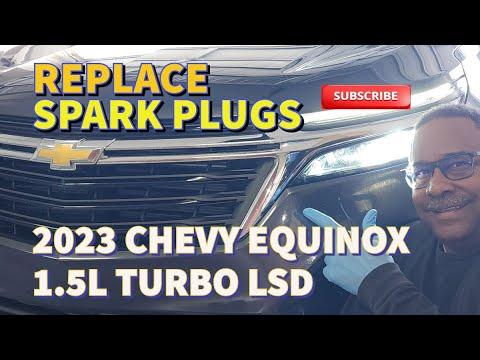





How to Replace Spark Plugs on a 2018-2023 Chevrolet Equinox 1.5L (Engine: Inline 4 1.5L)
Step-by-step DIY spark plug change with tools, parts list, torque specs, and safety tips
How to Replace Spark Plugs on a 2018-2023 Chevrolet Equinox 1.5L (Engine: Inline 4 1.5L)
Step-by-step DIY spark plug change with tools, parts list, torque specs, and safety tips for 2018, 2019, 2020, 2021, 2022, 2023


🔧 Equinox - Spark Plug Replacement
You’ll be removing the ignition coils and replacing the spark plugs on the top of the engine. This will restore smooth running, easier starts, and best fuel economy if your plugs are worn.
Difficulty Level: Beginner | Estimated Time: 1–1.5 hours
⚠️ Safety & Precautions
- ⚠️ Work on a completely cool engine to avoid burns from hot metal and plastic parts.
- ⚠️ Disconnect the negative battery cable before unplugging ignition coils to prevent electrical shorts.
- ⚠️ Do not pull on the ignition coil wires; always pull on the plastic connector and coil body.
- ⚠️ Keep dirt out of the spark plug holes; debris can fall into the engine if you’re not careful.
- ⚠️ Use only the correct spark plugs for your Equinox; wrong heat range can cause engine damage.
🔧 Required Tools
You'll need the following tools for this repair:
- 🔹3/8" drive ratchet
- 🔹3/8" drive extension (6")
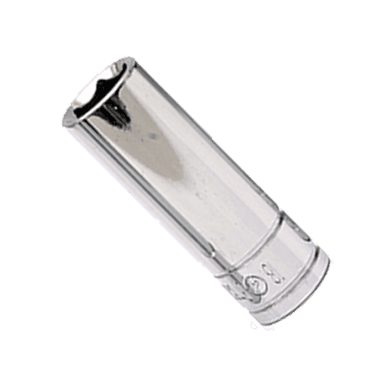
- 🔹5/8" spark plug socket with rubber insert
- 🔹10mm socket
- 🔹8mm socket
- 🔹Flathead screwdriver (small)
- 🔹Torque wrench (3/8" drive, 5–60 ft-lbs range)
- 🔹Needle-nose pliers
- 🔹Pick tool (small hook or pick) (specialty)
- 🔹Compressed air can or small air pump with nozzle
- 🔹Clean shop rags
- 🔹Battery terminal wrench (10mm)
- 🔹Work light
- 🔹Mechanic’s gloves
- 🔹Safety glasses
🔩 Required Parts
HowToo sells all the parts you need for this repair:
- 🔹Spark plugs (iridium, correct for 1.5L) - Qty: 4
- 🔹Dielectric grease (for ignition coil boots) - Qty: 1 small tube
- 🔹Throttle body/parts cleaner or electrical contact cleaner - Qty: 1 can
- 🔹Shop towels or paper towels - Qty: 1 pack
📋 Before You Begin
- Park your Equinox on level ground, shift to Park, and set the parking brake.
- Turn off the engine and remove the key; let the engine cool for at least 30–45 minutes.
- Open the hood and secure it with the hood prop rod.
- Disconnect the negative battery terminal:
- Use a 10mm socket or battery terminal wrench to loosen the clamp.
- Lift the cable off and tuck it aside so it cannot spring back.
- Lay out your new spark plugs and keep them in their boxes until installation to avoid dropping or contaminating them.
🔨 Step-by-Step Instructions
Follow these steps in order:
Step 1: Remove the engine cover
- Locate the plastic engine cover on top of the engine.
- Use your hands to pull up at the corners; it is held by rubber grommets, not bolts.
- Lift it straight up and set it aside somewhere safe.
- Pull firmly but evenly, not suddenly.
Step 2: Identify the ignition coils
- Look at the top of the engine: you will see four black ignition coils in a row, each on top of a spark plug.
- Each coil has an electrical connector and sometimes a small bolt holding it down.
- Work on one coil and plug at a time.
Step 3: Clean around the ignition coils
- Use your compressed air can or air pump to blow away loose dust and debris around the coils.
- If you don’t have air, use a clean shop rag to gently wipe around each coil base.
- Keeping dirt out of plug holes is very important.
Step 4: Disconnect the first ignition coil
- Pick one coil to start with (usually cylinder 1 at the timing cover end).
- On its electrical connector, locate the small locking tab.
- Use a small flathead screwdriver or pick tool to gently lift or slide the tab, then pull the connector straight off by hand.
- Do not yank on the wires; grab the plastic plug only.
Step 5: Remove the ignition coil
- Check if the coil is held by a bolt.
- If there is a bolt, use a 10mm socket and ratchet to remove it and set it aside.
- Grip the coil body and twist it slightly to break it free, then pull straight up to remove it from the spark plug well.
- Inspect the rubber boot for cracks or oil; if badly damaged, plan to replace the coil or boot.
Step 6: Remove the old spark plug
- Blow out the spark plug well again using compressed air if you have it.
- Attach the 5/8" spark plug socket to a 3/8" extension and the ratchet.
- Carefully lower the socket straight down into the spark plug well until it seats on the plug.
- Turn the ratchet counterclockwise to loosen the plug. Once loose, spin it out by hand.
- Lift the extension and socket straight out; the plug should come out stuck in the socket’s rubber insert.
- If it feels stuck, go slow and steady.
Step 7: Inspect and prepare the new spark plug
- Take one new spark plug from its box and compare it to the old one (same length, same seat style, same thread size).
- Most modern iridium plugs come pre-gapped. Do not bend the center electrode; it is fragile.
- If you use a gap gauge, only check that it’s close to spec and not obviously wrong.
- Do not apply anti-seize to the threads unless the plug maker specifically says to; most GM-spec plugs are coated and go in dry.
- You can put a tiny smear of dielectric grease on the ceramic insulator near the top (not on threads or electrode).
Step 8: Install the new spark plug
- Place the new plug into the 5/8" spark plug socket so it sits in the rubber insert.
- Lower the extension and socket carefully into the plug well, keeping it straight.
- Using only your fingers on the extension, turn the plug clockwise several full turns to thread it in by hand.
- If it resists, back out and restart by hand.
- Once finger-tight, attach the torque wrench to the extension.
- Tighten the spark plug to 25 Nm (18 ft-lbs).
Step 9: Reinstall the ignition coil
- Put a small dab of dielectric grease inside the rubber boot at the end of the coil.
- Align the coil with the plug hole and push it straight down until it seats firmly on the new plug.
- If there was a coil bolt, reinstall it using a 10mm socket and ratchet and snug it down to about 8 Nm (71 in-lbs) (just firm, not very tight).
- Reconnect the electrical connector: push it on until you hear or feel a click; make sure the locking tab is engaged.
Step 10: Repeat for the remaining cylinders
- Repeat Steps 4–9 for each of the remaining three ignition coils and spark plugs, doing them one at a time.
- Always start the new plug by hand using the spark plug socket and extension before putting a wrench on it.
- Torque every plug to 25 Nm (18 ft-lbs) with the torque wrench.
Step 11: Reinstall the engine cover and reconnect battery
- Double-check that all four coils are bolted down (if equipped with bolts) and all four electrical connectors are fully seated.
- Align the engine cover over its mounting points and press down by hand until the grommets snap into place.
- Reconnect the negative battery cable:
- Place it back on the battery post and tighten the clamp with a 10mm socket until snug.
✅ After Repair
- Start the engine and let it idle. It should run smoothly without misfires or shaking.
- Listen for any unusual ticking or snapping sounds from the coil area; if you hear any, shut off and recheck coil connections.
- Take a short, gentle test drive around the block to confirm smooth acceleration and no warning lights.
- If a check engine light appears, you may need a scan tool to read and clear codes, often caused by a loose coil connector or plug.
💰 DIY vs Shop Cost
Shop Cost: $220–$320 (parts + labor)
DIY Cost: $50–$90 (parts only)
You Save: $170–$230 by doing it yourself!
Shop labor rates vary but typically run $100–$150/hour. This repair takes a shop approximately 0.8–1.0 hours.
🎯 Ready to get started?
HowToo makes it easy: same-day/2-day shipping on every part, plus all the tools and specialty tools you need! Check out the parts and tools sections below to add everything to your cart.
Guide for Spark Plug replace for these Chevrolet vehicles
| Year Make Model | Sub Model | Engine | Body Style |
|---|---|---|---|
| 2023 Chevrolet Equinox | - | Inline 4 1.5L | - |
| 2022 Chevrolet Equinox | - | Inline 4 1.5L | - |
| 2021 Chevrolet Equinox | - | Inline 4 1.5L | - |
| 2020 Chevrolet Equinox | - | Inline 4 1.5L | - |
| 2019 Chevrolet Equinox | - | Inline 4 1.5L | - |
| 2018 Chevrolet Equinox | - | Inline 4 1.5L | - |