













How to Replace Spark Plugs on a 2016-2023 Toyota Tacoma 3.5L V6 (Engine: V6 3.5L)
Step-by-step DIY spark plug change with tools, parts list, torque specs, safety tips, and cost savings
How to Replace Spark Plugs on a 2016-2023 Toyota Tacoma 3.5L V6 (Engine: V6 3.5L)
Step-by-step DIY spark plug change with tools, parts list, torque specs, safety tips, and cost savings for 2016, 2017, 2018, 2019, 2020, 2021, 2022, 2023


🔧 Tacoma - Spark Plug Replacement
You’ll be replacing all six spark plugs on your V6, which help ignite the fuel-air mix in the engine. Fresh plugs restore smooth running, better fuel economy, and easier starts.
Difficulty Level: Intermediate | Estimated Time: 3–4 hours (first time)
⚠️ Safety & Precautions
- 🔹Always work on a cold engine. Hot aluminum parts can burn you and are easier to damage.
- 🔹Disconnect the negative battery terminal so you don’t accidentally short anything or trigger warning lights.
- 🔹Keep dirt out of the spark plug holes. Contamination can damage the engine.
- 🔹Do not overtighten spark plugs. The cylinder head is aluminum and threads can strip.
- 🔹Use only the correct iridium plugs Toyota specifies. Wrong plugs can cause misfires.
- 🔹You’ll be removing the upper intake manifold to reach the passenger-side plugs. Handle plastic connectors and hoses gently.
🔧 Required Tools
You'll need the following tools for this repair:
- 🔹10mm socket
- 🔹12mm socket
- 🔹14mm socket
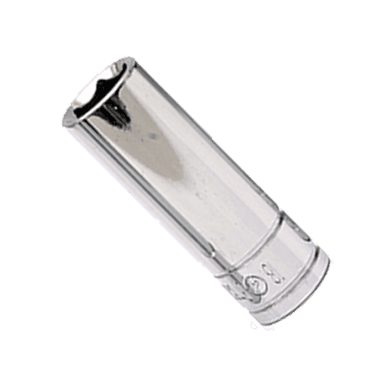
- 🔹5/8" spark plug socket (with rubber insert or magnetic)
- 🔹3/8" drive ratchet
- 🔹3/8" drive torque wrench (5–75 ft-lbs range)
- 🔹3" socket extension
- 🔹6" socket extension
- 🔹Universal joint / wobble adapter (3/8" drive)
- 🔹Flathead screwdriver (medium)
- 🔹Needle-nose pliers
- 🔹Plastic trim tool
- 🔹Pick tool (small hook type)
- 🔹Shop light or headlamp
- 🔹Magnetic pickup tool
- 🔹Clean shop rags
- 🔹Fender cover or thick towel
- 🔹Safety glasses
- 🔹Mechanic gloves
🔩 Required Parts
HowToo sells all the parts you need for this repair:
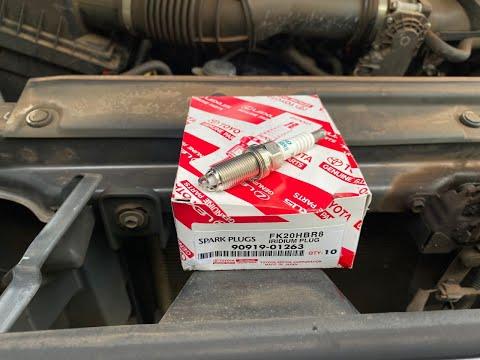
- 🔹Iridium spark plugs (Toyota-spec for 3.5L) - Qty: 6
- 🔹Upper intake manifold gasket set - Qty: 1 set
- 🔹Throttle body gasket - Qty: 1
- 🔹Small tube of dielectric grease - Qty: 1
- 🔹Throttle body cleaner (spray) - Qty: 1 (optional)
- 🔹Rags / shop towels - Qty: as needed
📋 Before You Begin
- Park the Tacoma on level ground, set the parking brake, and shift to Park.
- Let the engine cool completely; at least 1–2 hours after driving.
- Open the hood and install a fender cover or towel to protect paint.
- Disconnect the negative battery terminal using a 10mm socket and set the cable aside so it cannot touch the terminal.
- Lay out the new spark plugs and verify all six are the same part number and pre-gapped. These iridium plugs come pre-gapped; do not bend the center electrode.
🔨 Step-by-Step Instructions
Follow these steps in order:
Step 1: Remove the engine cover
- Use your hands to lift the plastic engine cover straight up; it is held by rubber grommets.
- If it feels stuck, gently pry up near the corners with a plastic trim tool, not a metal screwdriver.
- Set the cover aside in a safe place.
Step 2: Access the easy (driver-side) ignition coils
- On the driver’s side of the engine, locate the three black ignition coils on top of the valve cover. Each coil sits directly over a spark plug.
- Unplug the electrical connector from the first coil by lifting the small locking tab with a flathead screwdriver and pulling the connector straight back.
- Press the tab gently to avoid breaking it.
Step 3: Remove the first driver-side ignition coil
- Use a 10mm socket and 3/8" ratchet to remove the small bolt holding the coil.
- Gently twist and pull the coil upward to remove it from the spark plug well.
- If it feels stuck, twist slightly side to side while pulling.
Step 4: Remove the first driver-side spark plug
- Attach the 5/8" spark plug socket to a 6" extension and then to the 3/8" ratchet.
- Carefully lower the socket into the spark plug well until it seats on the plug.
- Turn the ratchet counterclockwise to break the plug loose, then continue by hand.
- Once loose, pull the plug out carefully; the rubber insert or magnet in the socket should hold it.
- If it feels very tight, stop and double-check you’re using the right socket.
Step 5: Install the new driver-side spark plug (cylinder 1)
- Inspect the new plug: make sure the ceramic is not cracked and the tip is clean.
- Place the new plug into the 5/8" spark plug socket so it’s held firmly.
- Use your fingers only (no ratchet yet) to thread the plug into the head. Turn clockwise gently 8–10 full turns.
- If it doesn’t thread easily, back out and start again.
- Once finger-tight, attach the torque wrench to the extension and socket.
- Tighten to 25 Nm (18 ft-lbs).
- Do not use anti-seize on Toyota’s plated spark plugs; torque spec already accounts for this.
Step 6: Reinstall the ignition coil (cylinder 1)
- Apply a tiny amount of dielectric grease inside the coil boot with your finger if available.
- Slide the coil down into the spark plug well until it seats on the plug.
- Install the coil bolt using a 10mm socket and tighten to 9 Nm (80 in-lbs) with the torque wrench if possible (snug plus a small turn if you don’t have inch-lb settings).
- Reconnect the electrical connector until it clicks in place.
Step 7: Repeat for the remaining two driver-side cylinders
- Repeat Steps 2–6 for the other two driver-side coils and plugs.
- Work on one coil and plug at a time so you don’t mix up connectors.
Step 8: Prepare to remove the upper intake manifold (passenger side access)
- The passenger-side spark plugs are under the upper intake manifold (the big black plastic piece across the top).
- Remove any small engine cover pieces or brackets blocking access using a 10mm socket.
- Take a clear photo of the intake area with your phone to remember hose and connector locations.
Step 9: Disconnect hoses and connectors from the intake
- Use a flathead screwdriver or needle-nose pliers to loosen hose clamps and slide hoses off the intake where needed.
- Use a plastic trim tool or pick tool to release plastic clips that hold wiring looms to the intake.
- Unplug electrical connectors attached to sensors on the intake. Press the locking tabs gently.
- Work slowly; forced clips break easily.
Step 10: Unbolt and remove the throttle body
- The throttle body is where the intake hose connects at the front.
- Use a 10mm socket to remove the bolts holding the throttle body to the intake manifold.
- You can usually swing the throttle body aside without disconnecting coolant lines; support it with a bungee or place it gently so it’s not hanging by the wiring.
- Remove the old throttle body gasket and set it aside (you will replace it).
Step 11: Unbolt and remove the upper intake manifold
- Use a 12mm socket to remove the bolts and nuts securing the upper intake manifold.
- Keep track of the bolts; note where any longer or shorter ones go.
- Once all bolts, nuts, hoses, and connectors are free, gently lift the intake manifold up and out. You may need to wiggle it a bit.
- Immediately cover the exposed intake ports on the engine with clean rags to prevent anything from falling inside.
Step 12: Access and remove the passenger-side ignition coils
- With the intake off, you will see the three passenger-side ignition coils.
- Unplug each coil connector (one at a time) using a flathead screwdriver to lift the tab if needed.
- Remove each coil bolt with a 10mm socket and pull out the coils.
Step 13: Replace the three passenger-side spark plugs
- Working one cylinder at a time, use the 5/8" spark plug socket, extension, and ratchet to remove the old plug as you did on the driver side.
- Install the new plug by threading it in by hand first, then torquing to 25 Nm (18 ft-lbs) with the torque wrench.
- Reinstall the coil with a tiny bit of dielectric grease in the boot, then tighten the 10mm coil bolt to 9 Nm (80 in-lbs).
- Reconnect each coil connector before moving to the next one.
Step 14: Prepare the intake surfaces and install new gaskets
- Remove the old upper intake manifold gaskets from the manifold or cylinder head.
- Wipe the gasket surfaces gently with a clean rag; do not scratch them.
- Install the new intake manifold gaskets from your gasket set, pressing them fully into their grooves.
- Install the new throttle body gasket where the throttle body mounts.
Step 15: Reinstall the upper intake manifold
- Remove the rags covering the intake ports; double-check no bolts or tools are left in the area.
- Carefully place the intake manifold back into position, making sure it sits evenly on the new gaskets.
- Install the manifold bolts and nuts by hand using a 12mm socket, threading them a few turns each to avoid cross-threading.
- Tighten the bolts in a crisscross pattern (center outward) with the torque wrench to 25 Nm (18 ft-lbs) unless your gasket kit specifies otherwise.
Step 16: Reinstall the throttle body
- Position the throttle body against the new throttle body gasket.
- Install the bolts using a 10mm socket and snug them evenly.
- Torque them to 9 Nm (80 in-lbs) with the torque wrench.
- Reconnect any electrical connectors to the throttle body.
Step 17: Reconnect hoses, clips, and wiring
- Reconnect all hoses you removed and tighten clamps with a flathead screwdriver or 10mm socket, depending on clamp type.
- Reattach any wiring harness clips to the intake using your hands or a plastic trim tool.
- Double-check your earlier photo to be sure every connector and hose is back in place.
Step 18: Reinstall the engine cover and reconnect the battery
- Place the engine cover back over the engine and press down to seat the grommets.
- Reconnect the negative battery cable using a 10mm socket and snug the nut (just firm, not extremely tight).
✅ After Repair
- Start the engine and let it idle. It may idle slightly rough for a few seconds while the computer relearns, then should smooth out.
- Watch and listen for vacuum leaks (hissing sounds) around the intake manifold and throttle body.
- Check for warning lights on the dash. If you see a check engine light, recheck every connector and coil plug.
- Take a short, gentle test drive. Make sure acceleration is smooth and there are no misfires or unusual noises.
- After the test drive, shut the engine off and visually inspect for any loose hoses or connectors.
💰 DIY vs Shop Cost
Shop Cost: $450–$650 (parts + labor)
DIY Cost: $80–$160 (parts only)
You Save: $370–$490 by doing it yourself!
Shop labor rates vary but typically run $100–$150/hour. This repair takes a shop approximately 2–3 hours.
🎯 Ready to get started?
HowToo makes it easy: same-day/2-day shipping on every part, plus all the tools and specialty tools you need! Check out the parts and tools sections below to add everything to your cart.
Guide for Spark Plug replace for these Toyota vehicles
| Year Make Model | Sub Model | Engine | Body Style |
|---|---|---|---|
| 2023 Toyota Tacoma | - | V6 3.5L | - |
| 2022 Toyota Tacoma | - | V6 3.5L | - |
| 2021 Toyota Tacoma | - | V6 3.5L | - |
| 2020 Toyota Tacoma | - | V6 3.5L | - |
| 2019 Toyota Tacoma | - | V6 3.5L | - |
| 2018 Toyota Tacoma | - | V6 3.5L | - |
| 2017 Toyota Tacoma | - | V6 3.5L | - |
| 2016 Toyota Tacoma | - | V6 3.5L | - |