









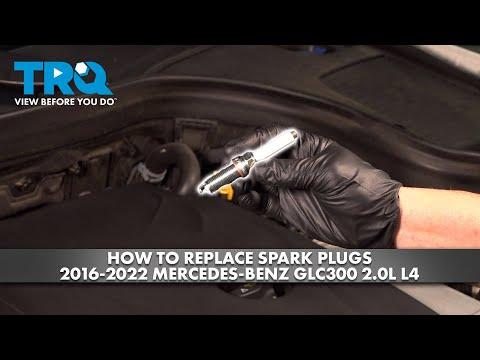






How to Replace Spark Plugs on a 2016-2023 Mercedes-Benz GLC300 2.0L Turbo (M274) (Engine: Inline 4 2.0L)
Step-by-step DIY guide with required tools/parts, spark plug & coil torque specs, and safety tips
How to Replace Spark Plugs on a 2016-2023 Mercedes-Benz GLC300 2.0L Turbo (M274) (Engine: Inline 4 2.0L)
Step-by-step DIY guide with required tools/parts, spark plug & coil torque specs, and safety tips for 2016, 2017, 2018, 2019, 2020, 2021, 2022, 2023


🔧 GLC300 - Spark Plug Replacement
Changing the spark plugs on your GLC300 means removing the engine cover, unplugging and lifting out the ignition coils, then swapping the plugs one-by-one. Fresh plugs help prevent misfires, rough idle, hard starting, and poor fuel economy.
Difficulty Level: Intermediate | Estimated Time: 1.0-2.0 hours
Assumption: your GLC300 uses the 2.0L turbo inline-4 with coil-on-plug ignition (common setup).
⚠️ Safety & Precautions
- ⚠️ Work on a fully cool engine to avoid burns and to prevent thread damage in the aluminum cylinder head.
- ⚠️ Keep dirt out of the spark plug holes—debris can damage the engine.
- ⚠️ Do not over-tighten spark plugs; the cylinder head is aluminum and threads can strip.
- ⚠️ Battery disconnect is not required, but keep the key far away and ignition OFF while unplugging coils.
🔧 Required Tools
You'll need the following tools for this repair:
- Safety glasses
- Nitrile gloves
- 3/8" drive ratchet
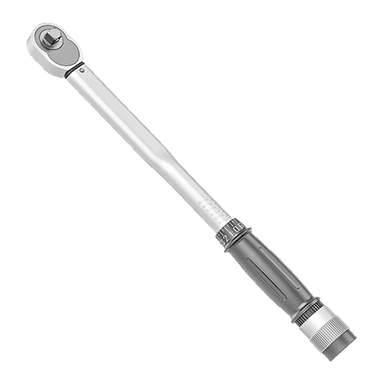
- 3/8" drive torque wrench (10-60 Nm range)
- 6" 3/8" drive extension
- 12" 3/8" drive extension
- Magnetic spark plug socket 14mm (thin-wall)
- E-Torx socket set (E8-E12)
- Trim removal tool (plastic pry tool)
- Small flathead screwdriver
- Compressed air blow gun
- Feeler gauge set (0.020"-0.040")
🔩 Required Parts
HowToo sells all the parts you need for this repair:
- Spark plugs (OEM-spec) - Qty: 4
- Dielectric grease (for coil boots) - Qty: 1
- Anti-seize compound - Qty: 1
📋 Before You Begin
- Park on level ground, set the parking brake, and open the hood.
- Let the engine cool completely (ideally 1-2 hours after driving).
- Blow off loose dust around the top of the engine using compressed air blow gun.
- Lay out 4 new spark plugs and keep them in order—replace one plug at a time to avoid mixing anything up.
🔨 Step-by-Step Instructions
Follow these steps in order:
Step 1: Remove the engine cover
- Use a trim removal tool (plastic pry tool) to gently lift the engine cover at the corners.
- Lift straight up to pop it off the rubber grommets, then set it aside.
- Pull straight up—don’t twist hard.
Step 2: Unplug the ignition coil connectors
- Locate the ignition coils (one on top of each spark plug).
- Use a small flathead screwdriver to help release the connector lock if needed.
- Pull the connector straight off—don’t pull on the wires.
- Take a photo first for reference.
Step 3: Remove the ignition coils
- If your coils are bolted down, remove the coil hold-down fasteners using an E-Torx socket set (E8-E12) and a 3/8" drive ratchet.
- Twist the coil slightly left-right to break the seal, then pull it straight up and out.
- Set coils aside in order (cylinder 1-4) so they go back to the same spot.
- Gentle twisting prevents boot tearing.
Step 4: Clean the spark plug wells
- Before removing any spark plug, blow out each plug well using the compressed air blow gun.
- This prevents sand/dirt from falling into the cylinder when the plug comes out.
Step 5: Remove the old spark plugs
- Install the magnetic spark plug socket 14mm (thin-wall) on a 12" 3/8" drive extension and 3/8" drive ratchet.
- Turn counterclockwise to loosen, then spin the plug out slowly.
- Lift the plug out and compare it to the new one (length and seat style must match).
Step 6: Check the new plug gap (only if your plugs aren’t labeled pre-gapped)
- Use a feeler gauge set (0.020"-0.040") to measure the gap (the space between the center and ground electrode).
- If the plug box says “pre-gapped,” do not bend the electrode—install as-is.
- Wrong gap can cause misfires.
Step 7: Install the new spark plugs
- Put the new plug into the magnetic spark plug socket 14mm (thin-wall) and carefully lower it into the plug hole.
- Thread it in by hand first using only the extension (no ratchet) until it seats smoothly. This helps prevent cross-threading (damaging threads by starting crooked).
- Torque the spark plug using a 3/8" drive torque wrench (10-60 Nm range): Torque to 23 Nm (17 ft-lbs).
- Repeat for all 4 cylinders, one at a time.
- If it doesn’t thread easily, stop.
Step 8: Reinstall ignition coils
- Apply a very thin smear of dielectric grease (for coil boots) inside each coil boot (the rubber end). Dielectric grease is non-conductive grease that helps prevent moisture and makes future removal easier.
- Push each coil straight down until it fully seats on the spark plug.
- If your coils use hold-down fasteners, tighten using the E-Torx socket set (E8-E12) and 3/8" drive torque wrench (10-60 Nm range): Torque to 8 Nm (71 in-lbs).
Step 9: Reconnect coil connectors and reinstall engine cover
- Plug each connector back in until it clicks/locks.
- Reinstall the engine cover by aligning the grommets and pressing straight down with your hands.
✅ After Repair
- Start the engine and let it idle for 30-60 seconds. It should run smooth with no shaking.
- Listen for ticking or hissing around the coil area (could indicate a coil not seated).
- If you have a check engine light or misfire after the job, re-check coil connectors and coil seating first.
- Take a short test drive, then recheck for any warning lights.
💰 DIY vs Shop Cost
Shop Cost: $350-$650 (parts + labor)
DIY Cost: $60-$180 (parts only)
You Save: $170-$590 by doing it yourself!
Shop labor rates vary but typically run $100-$150/hour. This repair takes a shop approximately 1.0-2.0 hours.
🎯 Ready to get started?
HowToo makes it easy: same-day/2-day shipping on every part, plus all the tools and specialty tools you need! Check out the parts and tools sections below to add everything to your cart.