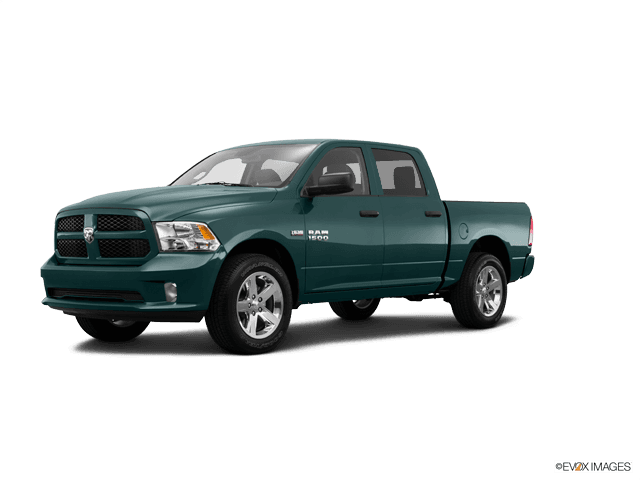









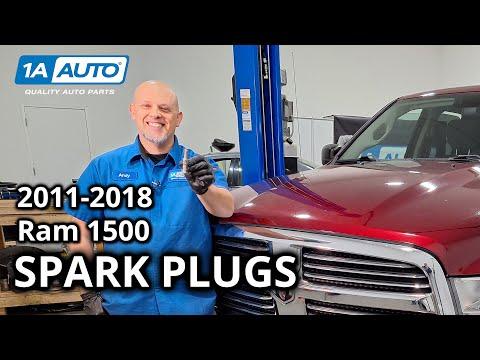





How to Replace Spark Plugs on a 2015 Ram 1500 3.6L V6
Step-by-step DIY spark plug change with tools, parts list, torque specs, and safety tips for your 2015 Ram 1500 for 2013, 2014, 2015, 2016, 2017, 2018, 2019, 2020, 2021, 2022
How to Replace Spark Plugs on a 2015 Ram 1500 3.6L V6
Step-by-step DIY spark plug change with tools, parts list, torque specs, and safety tips for your 2015 Ram 1500 for 2013, 2014, 2015, 2016, 2017, 2018, 2019, 2020, 2021, 2022


1500 - Spark Plug Replacement 🔧
Got it—you want to change the spark plugs on your 3.6L V6. I’ll walk you through it step by step.
Two quick questions before we start:
- ✅ About how many km/miles are on your 1500?
- ✅ Do you have a basic socket set and a torque wrench? (Torque wrench = tool that lets you tighten bolts to a specific force.)
I’ll assume you’re working at home with basic tools and no lift.
1500 - Parts & Specs 📦
- 🧩 Number of spark plugs: 6 (one per cylinder)
- 🧩 Engine: 3.6L Pentastar V6
- 🧩 Plug type: OEM is usually NGK or Champion iridium/platinum (use plugs that match the OEM part number for your 2015 3.6L)
- 🧩 Gap: Check the box/spec for your exact plug; typical is around 0.043 in (1.1 mm), but always use the spec printed for the plug/under-hood label
- 🧩 Tightening torque (spark plugs): about 13–15 ft‑lb (18–20 N·m) for the 3.6L with tapered-seat plugs
- 🧩 Ignition coil bolt torque: about 70 in‑lb (8 N·m)
Do not over-tighten spark plugs—this can crack the plug or damage the threads in the aluminum cylinder head.
1500 - Tools You’ll Need 🧰
- 🛠️ 3/8" drive ratchet (standard hand wrench for sockets)
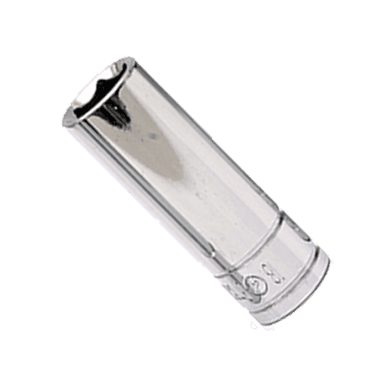
- 🛠️ Spark plug socket, 5/8" with rubber insert or magnet (holds the plug so it doesn’t fall)
- 🛠️ 3/8" extensions (3" and 6" helpful to reach down into the head)
- 🛠️ Torque wrench, 3/8" drive (to tighten plugs and coil bolts to spec)
- 🛠️ 10 mm socket (for ignition coil bolts)
- 🛠️ Flat trim tool or flat screwdriver (to gently release plastic clips on covers)
- 🛠️ Feeler gauge (thin metal blades to measure plug gap)
- 🛠️ Dielectric grease (non-conductive grease for inside coil boots to prevent moisture)
- 🛠️ Anti-seize (optional, very small amount) – only if plug manufacturer allows it; many modern plugs say no anti-seize
- 🛠️ Compressed air or a clean brush (to clean around plug holes)
- 🛠️ Gloves and safety glasses
1500 - Safety & Prep ⚠️
- ⚠️ Engine cool only: Let the engine cool completely. Aluminum heads + hot plugs = easy to strip threads.
- ⚠️ Battery safety: Turn ignition OFF and remove key. You can disconnect the negative battery terminal (10 mm) for extra safety.
- ⚠️ Work clean: Dirt in plug holes can fall into the engine. Always blow/brush around each plug before removal.
1500 - Accessing the Spark Plugs 🧱
The 3.6L V6 has three cylinders on each side (left and right banks). Each cylinder has one ignition coil on top.
1500 - Remove Engine Cover 🧩
- 🧰 Step 1: Open the hood and support it with the prop rod.
- 🧰 Step 2: Locate the large plastic engine cover on top of the engine.
- 🧰 Step 3: Gently pull up on the cover at the corners; it is held by rubber grommets. Wiggle and lift straight up. Don’t force it; work around the edges.
- 🧰 Step 4: Set the cover aside somewhere safe.
1500 - Identify Coils & Plugs 🔍
- 🔧 You will see six ignition coils, each a small black unit with a connector and a long rubber boot going down into the engine.
- 🔧 Each coil sits directly over a spark plug.
1500 - One Cylinder at a Time ✔️
Always finish one plug completely before moving to the next. This avoids mixing up connectors or dropping dirt into open holes.
1500 - Removing an Ignition Coil 🧲
- 🧰 Step 1: Pick one coil (front cylinder on one side is easiest).
- 🧰 Step 2: Press the small tab on the coil’s electrical connector and pull the connector straight off. If stuck, gently pry the tab with a small flat screwdriver.
- 🧰 Step 3: Use the 10 mm socket and ratchet to remove the single bolt holding the coil.
- 🧰 Step 4: Gently twist the coil back and forth and pull it straight up. The rubber boot may be snug; be patient.
- 🧰 Step 5: Inspect the boot for oil or cracks. Oil in the hole means a valve cover gasket issue, but you can still change the plug.
1500 - Removing the Old Spark Plug 🧼
- 🧰 Step 1: Use compressed air or a clean brush to clean around the plug hole so no dirt falls in.
- 🧰 Step 2: Attach the 5/8" spark plug socket to an extension and ratchet.
- 🧰 Step 3: Lower the socket straight down into the plug well until it seats on the plug.
- 🧰 Step 4: Turn the ratchet counter-clockwise to loosen the plug. It may be snug at first, then should turn smoothly.
- 🧰 Step 5: Once loose, spin it out by hand using the extension only (no ratchet) and lift the plug out. The rubber insert/magnet should hold it.
1500 - Check & Prepare New Plug 🧪
- 🧰 Step 1: Take a new plug from the box. Compare length and thread to the old one to confirm it matches.
- 🧰 Step 2: Use the feeler gauge to check the gap between the center electrode and the side electrode.
- 🧰 Step 3: If the gap is slightly off, gently bend the side electrode only to adjust. Never pry on the center electrode.
- 🧰 Step 4: If the plug manufacturer allows anti-seize, apply a very thin smear on the threads only, avoiding the tip. Many iridium plugs say no anti-seize—follow that.
1500 - Installing the New Plug 🔩
- 🧰 Step 1: Place the new plug into the spark plug socket so it’s held by the rubber insert/magnet.
- 🧰 Step 2: Lower it carefully into the plug hole, keeping it straight.
- 🧰 Step 3: Thread the plug in by hand only (using the extension, no ratchet) at least 6–8 turns. If it feels tight or gritty, stop—back it out and start again.
- 🧰 Step 4: Once hand-tight, attach the torque wrench and tighten to 13–15 ft‑lb (18–20 N·m).
- 🧰 Step 5: Do not “crank” past the torque; once it clicks, stop.
1500 - Reinstalling the Coil 🧯
- 🧰 Step 1: Put a small dab of dielectric grease inside the rubber boot of the coil (where it contacts the plug). This helps sealing and future removal.
- 🧰 Step 2: Push the coil straight down onto the new plug until fully seated.
- 🧰 Step 3: Reinstall the 10 mm coil bolt and tighten to about 70 in‑lb (8 N·m). If you don’t have an inch‑pound torque wrench, snug plus a tiny extra turn is enough—do not overtighten.
- 🧰 Step 4: Reconnect the electrical connector until it clicks.
1500 - Repeat for All 6 Cylinders 🔁
- 🔁 Repeat the same process for the remaining five coils and plugs.
- 🔁 Work methodically from front to back on one side, then the other.
- 🔁 Double-check each coil connector is fully clicked in and each bolt is snug.
1500 - Reinstall Engine Cover 🧳
- 🧰 Step 1: Align the engine cover over the mounting posts.
- 🧰 Step 2: Press down firmly at each corner until it snaps into the rubber grommets.
1500 - Final Checks & First Start 🚀
- ✅ Make sure no tools or rags are left in the engine bay.
- ✅ If you disconnected the battery, reconnect the negative terminal and tighten the 10 mm nut.
- ✅ Start the engine. It should idle smoothly with no misfire or check engine light.
- ✅ If it runs rough, shut it off and recheck coil connectors and that all plugs are properly seated.
1500 - Tips for a First-Time DIYer 💡
- 🧠 Take pictures of the engine before you start so you know how everything should look.
- 🧠 Lay bolts and coils out in order on a clean towel so you remember where each came from.
- 🧠 If a plug feels wrong going in, stop and re-start by hand—cross-threading is the main thing to avoid.
If you tell me what tools you already have, I can suggest exactly what to buy (spark plugs, socket, torque wrench) and the correct plug part numbers for your 3.6L.
HowToo makes it easy: same-day/2-day shipping on every part, plus all the tools and specialty tools you need! You can add them to your cart from the tools and parts section.