









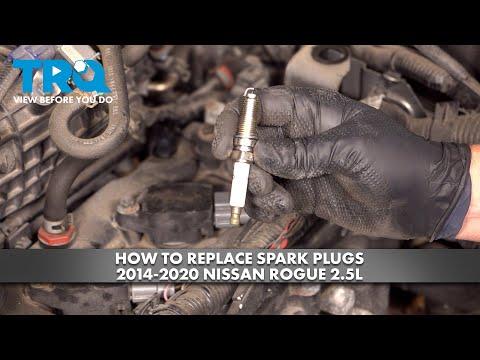





How to Replace Spark Plugs on a 2015 Nissan Rogue 2.5L Engine
Step-by-step DIY spark plug change with tools, parts list, torque specs, safety tips, and cost comparison
How to Replace Spark Plugs on a 2015 Nissan Rogue 2.5L Engine
Step-by-step DIY spark plug change with tools, parts list, torque specs, safety tips, and cost comparison


🔧 Rogue - Spark Plug Replacement
You’ll be replacing the spark plugs on your Rogue’s 2.5L engine. This restores smooth running, better fuel economy, and easier starting when plugs are worn.
Difficulty Level: Intermediate | Estimated Time: 1.5–2 hours
⚠️ Safety & Precautions
- ⚠️ Work on a completely cool engine to avoid burns from hot metal and plastic parts.
- ⚠️ Disconnect the negative battery terminal so you don’t accidentally short anything or trigger a check engine light while unplugging coils.
- ⚠️ Keep dirt out of the spark plug holes; debris in the cylinder can cause engine damage.
- ⚠️ Never pull on coil or sensor wires; always pull on the plastic connector body.
- ⚠️ Use the correct torque on spark plugs; overtightening can crack the cylinder head or plugs.
🔧 Required Tools
You'll need the following tools for this repair:
- 🛠️ 3/8" drive ratchet
- 🛠️ 3/8" drive torque wrench (5–60 ft-lbs range)
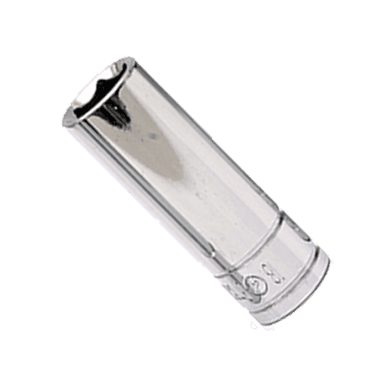
- 🛠️ 5/8" spark plug socket (3/8" drive, with rubber insert)
- 🛠️ 10mm socket
- 🛠️ 8mm socket
- 🛠️ 3" extension (3/8" drive)
- 🛠️ 6" extension (3/8" drive)
- 🛠️ Flathead screwdriver (medium)
- 🛠️ Needle-nose pliers
- 🛠️ Feeler gauge set
- 🛠️ Dielectric grease tube
- 🛠️ Fender cover or thick towel
- 🛠️ Shop rags
- 🛠️ Small brush or compressed air can
- 🛠️ Gloves
- 🛠️ Safety glasses
A torque wrench applies a set tightness; a spark plug socket grips plugs without breaking them; a feeler gauge measures tiny gaps; dielectric grease protects electrical connections from moisture.
🔩 Required Parts
HowToo sells all the parts you need for this repair:
- 🔩 Iridium spark plugs (OEM spec for 2.5L) - Qty: 4
- 🔩 Throttle body/intake duct clamp (if damaged) - Qty: 2
- 🔩 Dielectric grease - Qty: 1 small tube
- 🔩 Battery terminal protector spray - Qty: 1 (optional)
📋 Before You Begin
- Park your Rogue on level ground, shift to Park, and set the parking brake.
- Turn the engine off and remove the key; let the engine cool for at least 30–45 minutes.
- Open the hood and support it with the hood prop rod.
- Disconnect the negative (black) battery terminal using the 10mm socket; move the cable aside so it cannot spring back.
- Lay a fender cover or towel over the front bumper to avoid scratches when leaning over.
🔨 Step-by-Step Instructions
Follow these steps in order:
Step 1: Remove the engine cover
- Stand in front of the engine bay; the plastic engine cover is on top of the engine.
- Grip both sides of the cover firmly with your hands and pull straight up; it is held by rubber grommets, not bolts.
- Lift the cover out of the engine bay and set it aside somewhere safe.
Step 2: Remove the intake air duct for access
- Locate the black plastic air duct running from the air filter box to the throttle body, crossing over part of the engine.
- Use the flathead screwdriver to loosen the metal band clamps at each end of the duct (airbox side and throttle body side).
- If there are small hoses or clips attached, gently release them with the flathead screwdriver or needle-nose pliers.
- Lift the duct up and off, then set it aside. This opens up access to the ignition coils on top of the engine.
- Take a photo now to remember hose routing.
Step 3: Identify the ignition coils and clean around them
- On top of the engine, you will see four black ignition coils, each with a small electrical connector and a 10mm bolt.
- Use the small brush or compressed air to clean dirt and dust from around the base of each coil so nothing falls into the spark plug holes later.
- Cleaning first prevents grit entering the engine.
Step 4: Unplug and remove the first ignition coil
- Start with cylinder 1 (the one closest to the front of the engine on the passenger side).
- Press the tab on the ignition coil’s electrical connector using your finger or the tip of the flathead screwdriver, and gently pull the connector straight off the coil.
- Use the 10mm socket and ratchet to remove the small bolt holding the coil down; set the bolt aside in a safe spot.
- Grab the top of the coil and pull straight up; you may need to twist it gently while pulling.
- Place the coil somewhere clean; do not drop it.
Step 5: Remove the old spark plug
- Attach the 5/8" spark plug socket to the 6" extension, then attach that to the ratchet.
- Lower the socket straight down into the spark plug hole until it seats on the spark plug.
- Turn the ratchet counterclockwise to loosen the plug. Once loose, spin it out by hand using the extension.
- Carefully lift the plug out; the rubber insert in the socket should grip it.
- Inspect the removed plug for heavy wear, oil, or damage and compare to the new one so you know the new plug is the correct type and length.
Step 6: Check and adjust spark plug gap (if required)
- Most OEM iridium plugs come pre-gapped correctly, but it’s smart to confirm.
- Use the feeler gauge to measure the gap between the center and side electrodes of the new plug. Nissan’s gap is typically around 0.043" (1.1 mm); confirm on your plug box or HowToo listing.
- If adjustment is needed, gently bend only the ground (side) electrode using the proper tool on the feeler gauge, never the center electrode.
- Handle new plugs carefully; avoid dropping them.
Step 7: Install the new spark plug (cylinder 1)
- Place a new plug into the 5/8" spark plug socket; make sure the plug is seated straight in the socket.
- Lower it carefully into the spark plug hole using the extension.
- Thread the plug in by hand only (turn the extension with your fingers) for several turns to ensure it is not cross-threaded.
- Once it is finger-tight, remove the ratchet, attach the torque wrench to the extension and socket.
- Set the torque wrench to 18 Nm (13 ft-lbs) and tighten the plug until the torque wrench clicks once.
- If it feels wrong, stop and back it out.
Step 8: Reinstall the ignition coil (cylinder 1)
- Put a tiny dab of dielectric grease inside the rubber boot at the bottom of the coil; this helps prevent moisture and makes future removal easier.
- Slide the coil straight down into the spark plug tube until it seats firmly on the new plug.
- Install the coil hold-down bolt using the 10mm socket and ratchet; snug it gently. Torque is light, about 8–9 Nm (70–80 in-lbs).
- Reconnect the electrical connector to the coil; push until you hear or feel a click.
Step 9: Repeat for cylinders 2, 3, and 4
- Working one cylinder at a time, repeat Steps 4–8 for each of the remaining three coils and spark plugs.
- Always finish one cylinder completely (plug and coil reinstalled and connected) before moving to the next, to avoid mixing up connectors or hardware.
- Keep bolts and coils in order if you set them aside.
Step 10: Reinstall the intake air duct
- Position the intake duct back between the air filter box and the throttle body.
- Push each end fully onto its fitting so there are no gaps.
- Use the flathead screwdriver to tighten both metal band clamps snugly; do not overtighten to the point of cracking plastic.
- Reconnect any small hoses or clips you removed earlier, using the needle-nose pliers if needed.
Step 11: Reinstall the engine cover
- Place the engine cover back over the engine, aligning the rubber grommets with their mounting posts.
- Press down firmly at each corner until you feel it snap into place.
Step 12: Reconnect the battery and final checks
- Reconnect the negative battery cable and tighten the nut with the 10mm socket until snug; do not overtighten.
- Remove tools and rags from the engine bay and make sure nothing is left on top of the engine or radiator support.
- Close the hood securely.
✅ After Repair
- Start the engine and let it idle for a minute. It should run smoothly with no misfires, shaking, or unusual noises.
- Watch the dashboard for any warning lights (especially the check engine light). If one appears, shut the engine off and double-check coil connectors.
- Take a short, gentle test drive around the block to confirm smooth acceleration and normal power.
- If you disconnected the battery long enough to reset settings, you may need to re-enter radio presets and clock time.
💰 DIY vs Shop Cost
Shop Cost: $200–$350 (parts + labor)
DIY Cost: $50–$90 (parts only)
You Save: $150–$260 by doing it yourself!
Shop labor rates vary but typically run $100–$150/hour. This repair takes a shop approximately 0.8–1.0 hours.
🎯 Ready to get started?
HowToo makes it easy: same-day/2-day shipping on every part, plus all the tools and specialty tools you need! Check out the parts and tools sections above to add everything to your cart.