














How to Replace Spark Plugs on a 2015-2020 Volvo S60 (Engine: Inline 5 2.5L)
Step-by-step instructions with tools, parts, torque specs, and safety tips
How to Replace Spark Plugs on a 2015-2020 Volvo S60 (Engine: Inline 5 2.5L)
Step-by-step instructions with tools, parts, torque specs, and safety tips for 2015, 2016, 2017, 2018, 2019, 2020


🔧 Spark Plugs - Replacement
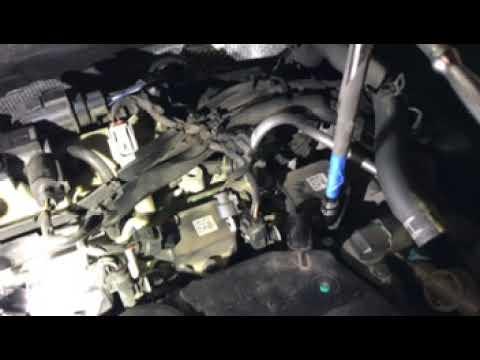
Your S60 uses four spark plugs mounted on top of the engine under the ignition coils. Replacing them helps restore smooth idle, strong acceleration, and fuel economy when the plugs are worn. Take your time, keep dirt out of the plug wells, and do one cylinder at a time.
Difficulty Level: Intermediate | Estimated Time: 1.5-2.5 hours
⚠️ Safety & Precautions
- Work on a cool engine only. Hot aluminum threads can be damaged easily.
- Keep ignition off and key/fob away from the vehicle while working.
- Do not use anti-seize on modern spark plug threads unless the plug maker specifically calls for it.
- Disconnect the negative battery cable if you want extra safety around the ignition system.
- Blow dirt out of the plug wells before removal so debris does not fall into the cylinders.
🔧 Required Tools
You'll need the following tools for this repair:
- 8mm socket
- 10mm socket
- Ratchet
- 3-inch extension
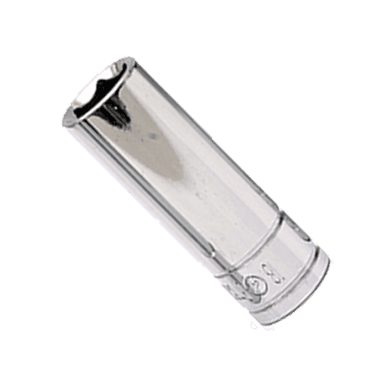
- 5/8-inch spark plug socket
- Torque wrench
- Trim panel tool
- Compressed air nozzle
- Dielectric grease
- Gloves
- Safety glasses
🔩 Required Parts
HowToo sells all the parts you need for this repair:
- Spark plugs - Qty: 4
📋 Before You Begin
- Park on level ground and set the parking brake.
- Let the engine cool fully.
- Open the hood and remove any engine cover or air duct pieces blocking access.
- If you disconnect the battery, save radio presets first if needed.
🔨 Step-by-Step Instructions
Follow these steps in order:
Step 1: Remove the engine cover
- Use your hands or a trim panel tool to lift off the engine cover.
- Set it aside where it will not get cracked.
Step 2: Remove the intake ducting if it blocks access
- If needed, use an 8mm socket and ratchet to remove the intake tube fasteners.
- Loosen any clamps, then move the duct aside for room to work.
Step 3: Remove the ignition coil connectors
- Press the lock tab on each coil connector and unplug it by hand.
- Do not pull on the wires.
Step 4: Remove the ignition coils
- Use a 10mm socket, ratchet, and 3-inch extension to remove the coil hold-down bolts.
- Pull each coil straight up and out.
- Keep the coils in order so they go back into the same cylinders.
Step 5: Clean the plug wells
- Use compressed air nozzle to blow dirt and debris out of each spark plug well.
- Start with light air pressure.
Step 6: Remove the old spark plugs
- Use a 5/8-inch spark plug socket, ratchet, 3-inch extension, and torque wrench to loosen each plug.
- Turn each plug counterclockwise and lift it out carefully.
- If a plug feels stuck, stop and work it out slowly to avoid thread damage.
Step 7: Check and gap the new plugs
- Verify the new plugs match the old ones in reach and design.
- Check the gap and adjust only if the plug maker allows it.
- Handle the center electrode gently.
Step 8: Install the new spark plugs
- Thread each plug in by hand first using the 5/8-inch spark plug socket and extension.
- Once seated, tighten with a torque wrench to 23 Nm (17 ft-lbs).
- Do not cross-thread the plugs.
Step 9: Reinstall the ignition coils
- Add a small amount of dielectric grease inside each coil boot.
- Push each coil straight down onto its spark plug.
- Install the hold-down bolts with a 10mm socket and tighten to 8 Nm (71 in-lbs).
- Reconnect each coil connector until it clicks.
Step 10: Reassemble the intake duct and engine cover
- Reinstall any removed ducting with the 8mm socket and hand-tighten clamps securely.
- Press the engine cover back into place by hand.
✅ After Repair
- Start the engine and let it idle.
- Listen for a smooth idle and check for warning lights.
- If the engine runs rough, recheck coil connectors and plug torque.
- Take a short test drive and confirm normal acceleration.
💰 DIY vs Shop Cost
Shop Cost: $220-$420 (parts + labor)
DIY Cost: $40-$120 (parts only)
You Save: $180-$300 by doing it yourself!
Shop labor rates vary but typically run $100-$150/hour. This repair takes a shop approximately 1.0-1.5 hours.
🎯 Ready to get started?
HowToo makes it easy: same-day/2-day shipping on every part, plus all the tools and specialty tools you need! Check out the parts and tools sections below to add everything to your cart.