














How to Replace Spark Plugs on a 2014-2021 Hyundai Tucson 2.0L (Engine: Inline 4 2.0L)
Step-by-step DIY guide with tools, parts, plug gap, torque specs, and safety tips
How to Replace Spark Plugs on a 2014-2021 Hyundai Tucson 2.0L (Engine: Inline 4 2.0L)
Step-by-step DIY guide with tools, parts, plug gap, torque specs, and safety tips for 2014, 2015, 2016, 2017, 2018, 2019, 2020, 2021


🔧 Tucson - Spark Plug Replacement
This repair replaces the four spark plugs in your Tucson’s 2.0L inline-4 engine. Spark plugs ignite the air/fuel mixture, and worn plugs can cause rough idle, poor fuel economy, hard starting, or misfires.
Difficulty Level: Beginner | Estimated Time: 45 minutes-1.5 hours
⚠️ Safety & Precautions
- ⚠️ Work only on a cool engine. Hot aluminum cylinder heads can be damaged if plugs are removed while hot.
- ⚠️ Disconnect the negative battery cable before unplugging ignition coils.
- ⚠️ Keep dirt out of the spark plug wells. Dirt falling into the engine can cause damage.
- ⚠️ Do not overtighten spark plugs. The cylinder head is aluminum and the threads can strip.
🔧 Required Tools
You'll need the following tools for this repair:
- 10mm socket
- 3/8-inch ratchet
- 3/8-inch 6-inch extension
- 5/8-inch spark plug socket
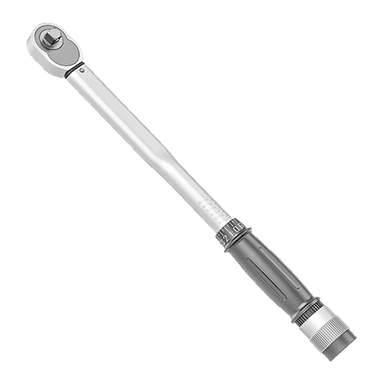
- Torque wrench 5-50 ft-lbs
- Spark plug gap gauge
- Compressed air nozzle
- Dielectric grease
- Clean shop towels
- Nitrile gloves
- Safety glasses
A spark plug socket is a deep socket with a rubber insert or magnet that holds the plug so you can lift it out safely.
A torque wrench tightens bolts or spark plugs to the correct tightness so they are not too loose or too tight.
🔩 Required Parts
HowToo sells all the parts you need for this repair:
- Iridium spark plugs - Qty: 4
Replace all four spark plugs at the same time for smooth engine operation.
📋 Before You Begin
- Park your Tucson on level ground and set the parking brake.
- Let the engine cool fully before removing the spark plugs.
- Open the hood and make sure the work area is well lit.
- Disconnect the negative battery cable using a 10mm socket.
- Lay the new spark plugs out in order and check each one for shipping damage.
- Check the spark plug gap with a spark plug gap gauge. Do not force-adjust fine-wire iridium tips unless the plug maker allows it.
🔨 Step-by-Step Instructions
Follow these steps in order:
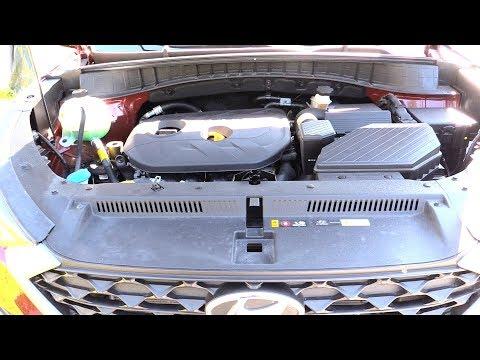
Step 1: Remove the Engine Cover
- Use both hands to lift the plastic engine cover straight upward.
- If your cover uses fasteners, use a 10mm socket to remove them, then lift the cover off.
- Set the cover aside where it will not be stepped on.
- Pull upward evenly, not sideways.
Step 2: Locate the Ignition Coils
- Find the four ignition coils on top of the engine. Each coil sits directly over one spark plug.
- An ignition coil is the small electrical unit that sends high voltage to the spark plug.
- Use a clean shop towel to wipe loose dirt away from the top of the valve cover.
Step 3: Disconnect the Ignition Coil Connectors
- Press the locking tab on the first ignition coil connector with your finger.
- Pull the connector straight back from the coil.
- If it is stuck, gently wiggle it by hand. Do not pull on the wires.
- Repeat for all four connectors.
Step 4: Remove the Ignition Coils
- Use a 10mm socket, 3/8-inch ratchet, and 3/8-inch 6-inch extension to remove the coil hold-down bolt from the first coil.
- Twist the coil slightly by hand to loosen the rubber boot.
- Pull the coil straight upward and remove it from the spark plug well.
- Repeat for the remaining three coils.
- Keep the coils in order so they go back into the same locations.
Step 5: Clean the Spark Plug Wells
- Put on safety glasses.
- Use a compressed air nozzle to blow dirt and debris out of each spark plug well.
- A spark plug well is the deep tube where the spark plug sits.
- Use short bursts of air so debris does not blow back at you.
Step 6: Remove the Old Spark Plugs
- Place the 5/8-inch spark plug socket onto the 3/8-inch 6-inch extension and 3/8-inch ratchet.
- Lower the socket straight down into the first spark plug well.
- Turn counterclockwise slowly to loosen the spark plug.
- Once loose, keep turning by hand using the extension until the plug comes free.
- Lift the old spark plug straight out with the 5/8-inch spark plug socket.
- Repeat for all four spark plugs.
- If it feels stuck, stop and work slowly.
Step 7: Inspect the Old Spark Plugs
- Look at each old plug before throwing it away.
- Light tan or gray tips are usually normal.
- Oil, heavy black soot, melted tips, or one plug looking very different can point to another engine issue.
- Use nitrile gloves to keep oil and carbon off your hands.
Step 8: Check the New Spark Plugs
- Use a spark plug gap gauge to verify the gap on each new spark plug.
- The typical gap for the Tucson 2.0L is about 0.044 in. / 1.1 mm, but use the specification listed for the exact replacement plug supplied.
- Do not apply anti-seize unless the spark plug manufacturer specifically says to use it.
- Most modern plated spark plugs are installed dry.
Step 9: Install the New Spark Plugs by Hand
- Place one new spark plug into the 5/8-inch spark plug socket.
- Lower it straight into the spark plug well using the 3/8-inch 6-inch extension.
- Turn the extension clockwise by hand several full turns.
- This prevents cross-threading, which means the plug starts crooked and damages the threads.
- Repeat for all four spark plugs.
- Hand-start every plug first.
Step 10: Torque the Spark Plugs
- Attach the torque wrench 5-50 ft-lbs to the 5/8-inch spark plug socket and 3/8-inch 6-inch extension.
- Tighten each spark plug carefully.
- Torque to 23 Nm (17 ft-lbs).
- Do not add extra tightening after the torque wrench clicks.
Step 11: Reinstall the Ignition Coils
- Apply a small dab of dielectric grease inside the end of each ignition coil boot.
- Dielectric grease is a non-conductive grease that helps seal out moisture and makes the boot easier to remove later.
- Push each ignition coil straight down over its spark plug until it seats fully.
- Use a 10mm socket, 3/8-inch ratchet, and 3/8-inch 6-inch extension to reinstall each coil hold-down bolt.
- Torque to 8 Nm (71 in-lbs).
Step 12: Reconnect the Ignition Coil Connectors
- Push each electrical connector back onto its ignition coil by hand.
- Listen or feel for the connector locking click.
- Gently tug each connector to make sure it is locked.
Step 13: Reinstall the Engine Cover
- Set the engine cover back into position by hand.
- Press it straight down onto its mounting grommets.
- If fasteners were removed, use a 10mm socket to reinstall them snugly.
Step 14: Reconnect the Battery
- Reconnect the negative battery cable.
- Use a 10mm socket to tighten the terminal clamp.
- Torque to 5 Nm (44 in-lbs) if using a torque wrench that reads inch-pounds.
✅ After Repair
- Start your Tucson and let it idle for one to two minutes.
- The idle may be slightly uneven for a few seconds after the battery has been disconnected.
- Listen for smooth running and check that the check engine light stays off.
- Take a short test drive and confirm smooth acceleration.
- If the engine misfires, shut it off and recheck that all coil connectors are fully clicked in.
- Reset the clock and radio presets if they were lost after battery disconnection.
💰 DIY vs Shop Cost
Shop Cost: $180-$350 (parts + labor)
DIY Cost: $40-$110 (parts only)
You Save: $140-$240 by doing it yourself!
Shop labor rates vary but typically run $100-$150/hour. This repair takes a shop approximately 0.6-1.0 hours.
🎯 Ready to get started?
HowToo makes it easy: same-day/2-day shipping on every part, plus all the tools and specialty tools you need! Check out the parts and tools sections below to add everything to your cart.
Guide for Spark Plug replace for these Hyundai vehicles
| Year Make Model | Sub Model | Engine | Body Style |
|---|---|---|---|
| 2021 Hyundai Tucson | - | Inline 4 2.0L | - |
| 2020 Hyundai Tucson | - | Inline 4 2.0L | - |
| 2019 Hyundai Tucson | - | Inline 4 2.0L | - |
| 2018 Hyundai Tucson | - | Inline 4 2.0L | - |
| 2017 Hyundai Tucson | - | Inline 4 2.0L | - |
| 2016 Hyundai Tucson | - | Inline 4 2.0L | - |
| 2015 Hyundai Tucson | - | Inline 4 2.0L | - |
| 2014 Hyundai Tucson | - | Inline 4 2.0L | - |