









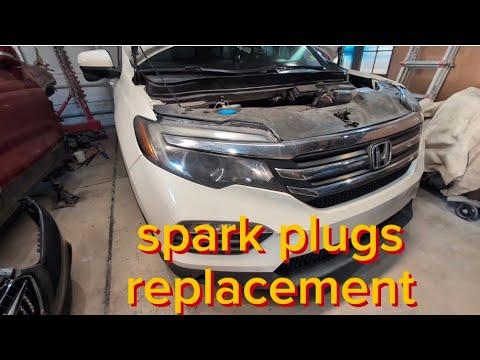





How to Replace Spark Plugs on a 2012-2018 Honda Pilot (DIY Step-by-Step Guide) (Engine: V6 3.5L)
Tools, parts list, safety tips, and torque specs for front and rear bank spark plug replacement
How to Replace Spark Plugs on a 2012-2018 Honda Pilot (DIY Step-by-Step Guide) (Engine: V6 3.5L)
Tools, parts list, safety tips, and torque specs for front and rear bank spark plug replacement for 2012, 2013, 2014, 2015, 2016, 2017, 2018


🔧 Pilot - Spark Plug Replacement
You’ll remove the ignition coils (one per cylinder), take out the old spark plugs, and install new ones torqued correctly. Fresh plugs help prevent misfires, rough idle, and poor fuel economy.
Assumption: Stock ignition system; access to the rear bank may be tight—steps include an “easy access” path and an “extra access” path if needed.
Difficulty Level: Intermediate | Estimated Time: 1.5-3.0 hours
⚠️ Safety & Precautions
- 🛑 Work on a fully cool engine to avoid burns and protect aluminum threads.
- 🛑 Disconnect the negative battery cable to prevent accidental shorting when unplugging coils.
- 🛑 Do not over-tighten spark plugs—stripped threads in the cylinder head are expensive.
- 🛑 Keep debris out of spark plug holes; dirt falling in can damage the engine.
🔧 Required Tools
You'll need the following tools for this repair:
- 10mm socket
- 1/4" drive ratchet
- 3/8" drive ratchet
- 3/8" drive extension set (3", 6", 10")
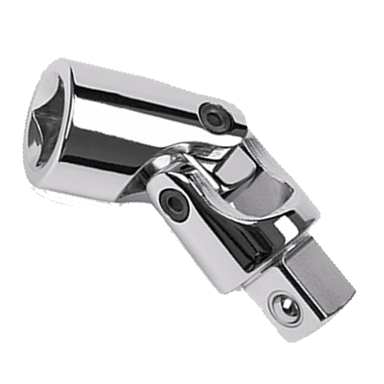
- 3/8" drive universal joint adapter
- 5/8" spark plug socket
- Torque wrench (3/8" drive, 10-80 Nm range)
- Flathead screwdriver
- Needle-nose pliers
- Trim clip removal tool
- Compressed air blow gun
- Shop vacuum
- Telescoping inspection mirror
- Flashlight
- Nitrile gloves
- Safety glasses
🔩 Required Parts
HowToo sells all the parts you need for this repair:
- Spark plugs (iridium, correct fit for your Pilot) - Qty: 6
- Upper intake manifold gasket set - Qty: 1 (only if upper intake is removed)
- Dielectric grease - Qty: 1 (optional)
📋 Before You Begin
- 🅿️ Park on level ground, shift to Park, and set the parking brake.
- ❄️ Let the engine cool completely (at least 1 hour after driving).
- 🔋 Use a 10mm socket to disconnect the negative battery cable and isolate it so it can’t spring back.
- 🧠 If your radio has anti-theft or saved settings, note that battery disconnect may reset presets.
- 🧹 Have your shop vacuum and compressed air blow gun ready to clean around each plug before removal.
🔨 Step-by-Step Instructions
Follow these steps in order:
Step 1: Remove the engine cover (if equipped)
- Use a 10mm socket and 1/4" drive ratchet to remove the engine cover fasteners.
- Lift the cover straight up and set it aside.
Step 2: Open up working room at the front bank
- Use a flathead screwdriver to loosen the intake tube hose clamp(s) if they block access.
- Use a trim clip removal tool to remove any plastic clips holding the air duct/snorkel that’s in the way.
- Move the ducting aside without stressing any wiring.
Step 3: Replace spark plugs on the front bank (closest to the radiator)
- Pick one cylinder at a time so nothing gets mixed up.
- Press the connector lock tab and unplug the ignition coil connector by hand (use needle-nose pliers only if needed, gently).
- Use a 10mm socket and 1/4" drive ratchet to remove the ignition coil bolt.
- Twist the coil boot slightly, then pull the coil straight out.
- Use the shop vacuum first, then blow out the plug well with the compressed air blow gun. Keep dirt out of the cylinder.
- Use a 5/8" spark plug socket, 3/8" drive ratchet, and a 3/8" drive extension to remove the spark plug.
- Install the new spark plug by hand first using the spark plug socket and extension only (no ratchet at first) to prevent cross-threading.
- Tighten with a torque wrench: Torque to 18 Nm (13 ft-lbs).
- If using dielectric grease, apply a tiny smear inside the end of the coil boot (not on the plug threads). Less is better.
- Reinstall the coil and bolt with a 10mm socket: Torque to 12 Nm (9 ft-lbs).
- Reconnect the coil connector until it clicks.
Step 4: Replace spark plugs on the rear bank (closest to the firewall) — Easy Access Path
- Use a flashlight and telescoping inspection mirror to locate the rear coils.
- Unplug each coil connector by hand, then remove each coil bolt using a 10mm socket and 1/4" drive ratchet.
- Pull coils straight out.
- Vacuum and blow out each plug well using the shop vacuum and compressed air blow gun.
- Use a 5/8" spark plug socket, 3/8" drive extension set, and a 3/8" drive universal joint adapter to remove/install the plugs.
- Hand-thread each new plug first, then use a torque wrench: Torque to 18 Nm (13 ft-lbs).
- Reinstall coils and bolts: Torque to 12 Nm (9 ft-lbs), then reconnect connectors until they click.
Step 5: Rear bank — Extra Access Path (only if you cannot reach safely)
- This path adds room by removing additional covers/ducting; on some setups it may require removing the upper intake. Use this only if the rear plugs are not reasonably accessible.
- Use a trim clip removal tool and flathead screwdriver to remove any cowl/trim/air duct pieces blocking reach.
- If the upper intake must come off, replace the upper intake manifold gasket set during reassembly and keep hardware organized.
- After gaining access, repeat the same plug steps: clean, remove, hand-thread new plugs, and torque to spec.
Step 6: Reassemble the intake ducting and engine cover
- Reinstall any ducts/clips using the trim clip removal tool (to align clips) and tighten hose clamps with a flathead screwdriver.
- Reinstall the engine cover using a 10mm socket.
Step 7: Reconnect battery
- Reconnect the negative battery cable using a 10mm socket: tighten snug (do not overtighten).
✅ After Repair
- 🔎 Start the engine and listen for a smooth idle (no shaking, no ticking, no flashing check engine light).
- 🔎 If you get a misfire/check-engine light, re-check that every coil connector is fully seated and each coil bolt is tight.
- 🧪 Road test 10–15 minutes, then re-check for any loose intake clamps or hissing (vacuum leak sound).
- 🧠 If you disconnected the battery, reset clock/radio presets as needed.
💰 DIY vs Shop Cost
Shop Cost: $350-$750 (parts + labor)
DIY Cost: $70-$180 (parts only)
You Save: $280-$570 by doing it yourself!
Shop labor rates vary but typically run $100-$150/hour. This repair takes a shop approximately 1.5-3.0 hours.
🎯 Ready to get started?
HowToo makes it easy: same-day/2-day shipping on every part, plus all the tools and specialty tools you need! Check out the parts and tools sections below to add everything to your cart.
Guide for Spark Plug replace for these Honda vehicles
| Year Make Model | Sub Model | Engine | Body Style |
|---|---|---|---|
| 2018 Honda Pilot | - | V6 3.5L | - |
| 2017 Honda Pilot | - | V6 3.5L | - |
| 2016 Honda Pilot | - | V6 3.5L | - |
| 2015 Honda Pilot | - | V6 3.5L | - |
| 2014 Honda Pilot | - | V6 3.5L | - |
| 2013 Honda Pilot | - | V6 3.5L | - |
| 2012 Honda Pilot | - | V6 3.5L | - |