








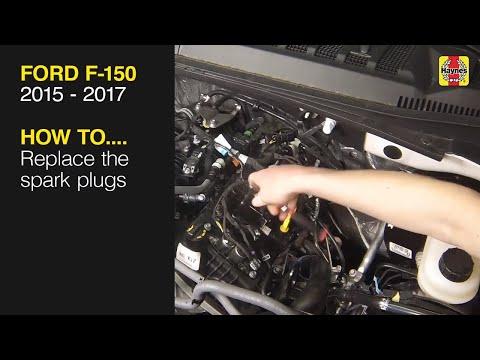





How to Replace Spark Plugs on a 2015 Ford F-150 2.7L Turbo
Step-by-step instructions with tools, parts, torque specs, safety tips, and reinstall guidance for 2010, 2011, 2012, 2013, 2014, 2015, 2016, 2017, 2018, 2019, 2020, 2021, 2022
How to Replace Spark Plugs on a 2015 Ford F-150 2.7L Turbo
Step-by-step instructions with tools, parts, torque specs, safety tips, and reinstall guidance for 2010, 2011, 2012, 2013, 2014, 2015, 2016, 2017, 2018, 2019, 2020, 2021, 2022


🔧 Spark Plugs - Replacement
The spark plugs on your F-150 wear out over time and can cause rough idle, misfires, poor fuel economy, and hard starts. On the 2.7L turbo engine, the job is straightforward, but you need to work carefully around the coil packs and ignition boots.
Difficulty Level: Intermediate | Estimated Time: 1.5-2.5 hours
⚠️ Safety & Precautions
- Let the engine cool completely before starting. The turbocharged engine and cylinder heads can stay hot for a long time.
- Disconnect the negative battery cable before removing ignition coils. This helps prevent accidental cranking and ignition damage.
- Keep dirt out of the spark plug wells. Debris can fall into the cylinders and cause engine damage.
- Do not overtighten the spark plugs. The aluminum cylinder head can be damaged easily.
- Use a spark plug socket with a rubber insert or magnet so the plug does not drop during removal or installation.
🔧 Required Tools
You'll need the following tools for this repair:
- 8mm socket
- 10mm socket
- 3/8-inch ratchet
- 3-inch extension
- 6-inch extension
- Spark plug socket, 5/8-inch
- Torque wrench
- Gap tool
- Trim tool
- Dielectric grease
- Anti-seize compound
- Compressed air
- Safety glasses
- Gloves
🔩 Required Parts
HowToo sells all the parts you need for this repair:
- Spark plugs - Qty: 6
📋 Before You Begin
- Park on level ground and set the parking brake.
- Let the engine cool fully before you touch the coils or plugs.
- Open the hood and remove the engine cover if equipped.
- Disconnect the negative battery cable using the 8mm socket.
- Label nothing; the coil packs stay in order by cylinder.
🔨 Step-by-Step Instructions
Follow these steps in order:
Step 1: Remove the engine cover and intake tube if needed
- Use the 10mm socket or trim tool to remove the engine cover, if your truck has one.
- If the intake tube blocks access to the rear coils, loosen the hose clamps with a 8mm socket and move the tube aside.
- Work slowly to avoid cracked plastic.
Step 2: Disconnect each ignition coil
- Use the trim tool to release each coil electrical connector lock, then unplug the connector.
- Remove each coil hold-down bolt with a 10mm socket.
- Lift the coil straight up. A gentle twist helps break the boot loose.
Step 3: Clean the spark plug wells
- Use compressed air to blow dirt out of each spark plug well before removing the plugs.
- This keeps grit from falling into the cylinder.
- Cleaning first prevents expensive damage.
Step 4: Remove the old spark plugs
- Use the 5/8-inch spark plug socket, 3-inch extension, and ratchet to loosen each plug.
- Turn slowly at first to feel for resistance. If a plug is tight, work it back and forth gently.
- Remove all six plugs one at a time.
Step 5: Prepare the new spark plugs
- Check each new plug gap with the gap tool. Set the gap to the plug specification listed on the box.
- Apply a very small amount of anti-seize compound only if the plug manufacturer allows it.
- Apply a small dab of dielectric grease inside each coil boot.
- Do not overuse anti-seize.
Step 6: Install the new spark plugs
- Start each spark plug by hand using the spark plug socket and extension only.
- Thread each plug in carefully to avoid cross-threading the aluminum head.
- Tighten each plug with the torque wrench to 11 Nm (97 in-lbs).
Step 7: Reinstall the ignition coils
- Push each coil straight down onto its spark plug until fully seated.
- Install the coil hold-down bolts with the 10mm socket.
- Torque to 7 Nm (62 in-lbs).
- Reconnect each electrical connector until it clicks.
Step 8: Reassemble the intake and engine cover
- Reinstall the intake tube and tighten the clamps with the 8mm socket.
- Reinstall the engine cover if removed.
- Reconnect the negative battery cable with the 8mm socket.
✅ After Repair
- Start the engine and let it idle.
- Check for rough running, warning lights, or misfire codes.
- If the check engine light stays on, scan for stored codes and clear them after confirming the engine runs smoothly.
- Take a short test drive and listen for a smooth acceleration.
💰 DIY vs Shop Cost
Shop Cost: $250-$450 (parts + labor)
DIY Cost: $60-$140 (parts only)
You Save: $190-$310 by doing it yourself!
Shop labor rates vary but typically run $100-$150/hour. This repair takes a shop approximately 1.5-2.0 hours.
🎯 Ready to get started?
HowToo makes it easy: same-day/2-day shipping on every part, plus all the tools and specialty tools you need! Check out the parts and tools sections below to add everything to your cart.