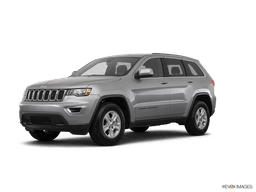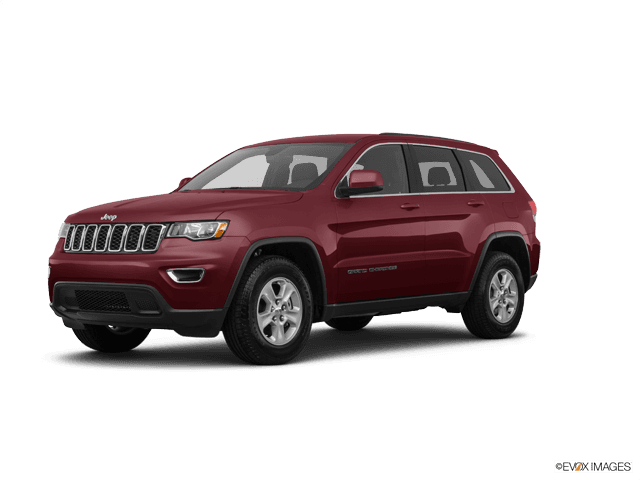









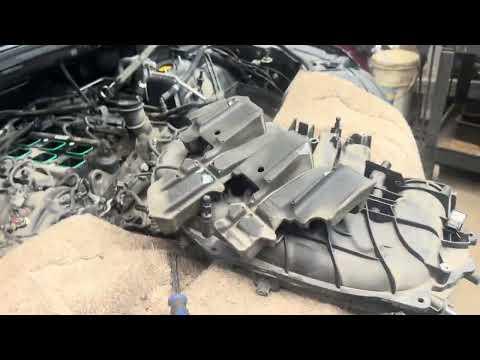





How to Replace Spark Plugs on a 2009-2019 Jeep Grand Cherokee 5.7L HEMI (Engine: V8 5.7L)
Step-by-step DIY guide with 16-plug replacement steps, tools, gap, torque specs, and safety tips
How to Replace Spark Plugs on a 2009-2019 Jeep Grand Cherokee 5.7L HEMI (Engine: V8 5.7L)
Step-by-step DIY guide with 16-plug replacement steps, tools, gap, torque specs, and safety tips for 2009, 2010, 2011, 2012, 2013, 2014, 2015, 2016, 2017, 2018, 2019


🔧 Grand Cherokee - Spark Plug Replacement
Changing the spark plugs on your Grand Cherokee helps fix rough idle, misfires, poor fuel economy, and weak acceleration. The 5.7L HEMI uses 16 spark plugs, because each cylinder has two spark plugs.
Difficulty Level: Intermediate | Estimated Time: 2.5-4 hours
⚠️ Safety & Precautions
- ⚠️ Work only on a cold engine. Hot aluminum cylinder heads can be damaged when removing spark plugs.
- ⚠️ Disconnect the negative battery cable before unplugging ignition coils.
- ⚠️ Keep dirt out of the spark plug holes. Anything that falls in can enter the engine.
- ⚠️ Start every spark plug by hand before using a ratchet. This prevents cross-threading.
- ⚠️ Do not over-tighten the spark plugs. The cylinder heads are aluminum.
🔧 Required Tools
You'll need the following tools for this repair:
- 10mm socket
- 8mm socket
- 5/8-inch spark plug socket
- 3/8-inch drive ratchet
- 3/8-inch drive torque wrench
- 3-inch extension
- 6-inch extension
- Universal joint adapter
- Flathead screwdriver
- Needle-nose pliers
- Compressed air blow gun
- Spark plug gap gauge
- Fender cover
- Nitrile gloves
- Safety glasses
🔩 Required Parts
HowToo sells all the parts you need for this repair:
- Spark plugs - Qty: 16
- Dielectric grease - Qty: 1
- Throttle body gasket - Qty: 1, only if throttle body is removed
📋 Before You Begin
- 🚗 Park your Grand Cherokee on level ground, shift to Park, and set the parking brake.
- 🌡️ Let the engine cool for at least 2-3 hours before starting.
- 🔋 Use a 10mm socket to disconnect the negative battery cable.
- 🧰 A spark plug socket is a deep socket with a rubber insert or magnet that holds the spark plug.
- 🧰 A universal joint adapter lets the socket bend slightly so you can reach tight rear plugs.
- 🧰 Dielectric grease is a silicone grease used inside ignition coil boots to help prevent moisture and sticking.
- 📝 Work on one cylinder at a time so the coils and connectors do not get mixed up.
🔨 Step-by-Step Instructions
Follow these steps in order:
Step 1: Remove the Engine Cover
- Use both hands to pull the plastic engine cover straight upward.
- Set the cover aside in a safe place.
- Pull up evenly.
Step 2: Disconnect the Negative Battery Cable
- Use a 10mm socket and 3/8-inch drive ratchet to loosen the negative battery cable clamp.
- Lift the cable off the battery post.
- Move the cable aside so it cannot touch the battery post.
Step 3: Remove the Air Intake Tube
- Use an 8mm socket or flathead screwdriver to loosen the clamp at the throttle body.
- Use an 8mm socket or flathead screwdriver to loosen the clamp at the air filter box.
- Use needle-nose pliers to release any small breather hose clamp if equipped.
- Pull the air intake tube out and set it aside.
Step 4: Clean Around the Ignition Coils
- Put on safety glasses.
- Use a compressed air blow gun to blow dirt away from the ignition coils and spark plug wells.
- This keeps dirt from falling into the engine when the plugs are removed.
- Clean before opening anything.
Step 5: Unplug One Ignition Coil
- Pick one cylinder to start with.
- Press the tab on the ignition coil electrical connector by hand.
- If it sticks, use a flathead screwdriver gently to help release the connector lock.
- Pull the connector straight off the ignition coil.
Step 6: Remove the Ignition Coil
- Use a 10mm socket, 3-inch extension, and 3/8-inch drive ratchet to remove the ignition coil bolt.
- Twist the ignition coil gently by hand.
- Pull the ignition coil straight upward.
- Inspect the rubber boots for cracks, oil, swelling, or black tracking marks.
Step 7: Clean the Spark Plug Wells
- Use the compressed air blow gun to clean both spark plug wells for that cylinder.
- Keep your face away from the wells while using compressed air.
- Make sure no loose dirt remains around the plugs.
Step 8: Remove the First Spark Plug
- Use a 5/8-inch spark plug socket, 6-inch extension, and 3/8-inch drive ratchet.
- Turn the spark plug counterclockwise to loosen it.
- After it breaks loose, spin it out slowly by hand using the extension.
- Lift the plug out with the spark plug socket.
Step 9: Remove the Second Spark Plug
- Use the 5/8-inch spark plug socket, 6-inch extension, and ratchet to loosen the second plug.
- Use the extension by hand to finish removing it.
- For tight rear plugs, use the universal joint adapter with the 3-inch or 6-inch extension.
Step 10: Check the New Spark Plugs
- Use a spark plug gap gauge to check each new spark plug gap.
- The correct gap is 0.043 in.
- Do not forcefully bend fine-wire electrodes. Replace any plug that is badly out of spec.
- Do not apply anti-seize unless the spark plug manufacturer specifically says to use it.
Step 11: Install the First New Spark Plug by Hand
- Place one new spark plug into the 5/8-inch spark plug socket.
- Use the 6-inch extension by hand only to start threading the plug clockwise.
- Turn it several full turns by hand before using a torque wrench.
- If it feels tight right away, stop and restart it.
- Never force threads.
Step 12: Torque the First Spark Plug
- Use the 5/8-inch spark plug socket, extension, and 3/8-inch drive torque wrench.
- Tighten the spark plug to Torque to 18 Nm (13 ft-lbs).
- Stop as soon as the torque wrench clicks.
Step 13: Install and Torque the Second New Spark Plug
- Use the 5/8-inch spark plug socket and extension to hand-start the second new spark plug.
- Use the 3/8-inch drive torque wrench to tighten it to Torque to 18 Nm (13 ft-lbs).
Step 14: Reinstall the Ignition Coil
- Apply a small amount of dielectric grease inside each ignition coil boot by hand.
- Push the ignition coil straight down until it fully seats on both spark plugs.
- Use a 10mm socket and 3/8-inch drive torque wrench to install the ignition coil bolt.
- Tighten the ignition coil bolt to Torque to 6 Nm (53 in-lbs).
- Reconnect the ignition coil electrical connector until it clicks.
Step 15: Repeat for the Other Seven Cylinders
- Repeat Steps 5 through 14 for each remaining cylinder.
- Use the 3-inch extension, 6-inch extension, and universal joint adapter for tight access near the rear of the engine.
- Keep tools straight on the plugs to avoid cracking the porcelain.
- One cylinder at a time.
Step 16: Reinstall the Air Intake Tube
- Place the air intake tube back between the throttle body and air filter box.
- Reconnect any breather hose by hand or with needle-nose pliers.
- Use an 8mm socket or flathead screwdriver to tighten both intake tube clamps.
- Make sure the tube is fully seated with no gaps.
Step 17: Reconnect the Battery and Engine Cover
- Use a 10mm socket and ratchet to reconnect the negative battery cable.
- Tighten the cable clamp until it does not move by hand.
- Push the engine cover back down onto its rubber mounts.
✅ After Repair
- ✅ Start your Grand Cherokee and let it idle for 2-3 minutes.
- ✅ Listen for a smooth idle.
- ✅ If the engine shakes or the check engine light flashes, shut it off and check coil connectors.
- ✅ Check that the air intake tube is fully seated and both clamps are tight.
- ✅ Take a short test drive and accelerate gently at first.
- ✅ The idle may relearn after the battery disconnect during normal driving.
💰 DIY vs Shop Cost
Shop Cost: $450-$750 (parts + labor)
DIY Cost: $120-$260 (parts only)
You Save: $330-$490 by doing it yourself!
Shop labor rates vary but typically run $100-$150/hour. This repair takes a shop approximately 2-3 hours.
🎯 Ready to get started?
HowToo makes it easy: same-day/2-day shipping on every part, plus all the tools and specialty tools you need! Check out the parts and tools sections below to add everything to your cart.
Guide for Spark Plug replace for these Jeep vehicles
| Year Make Model | Sub Model | Engine | Body Style |
|---|---|---|---|
| 2019 Jeep Grand Cherokee | - | V8 5.7L | - |
| 2018 Jeep Grand Cherokee | - | V8 5.7L | - |
| 2017 Jeep Grand Cherokee | - | V8 5.7L | - |
| 2016 Jeep Grand Cherokee | - | V8 5.7L | - |
| 2015 Jeep Grand Cherokee | - | V8 5.7L | - |
| 2014 Jeep Grand Cherokee | - | V8 5.7L | - |
| 2013 Jeep Grand Cherokee | - | V8 5.7L | - |
| 2012 Jeep Grand Cherokee | - | V8 5.7L | - |
| 2011 Jeep Grand Cherokee | - | V8 5.7L | - |
| 2010 Jeep Grand Cherokee | - | V8 5.7L | - |
| 2009 Jeep Grand Cherokee | - | V8 5.7L | - |