









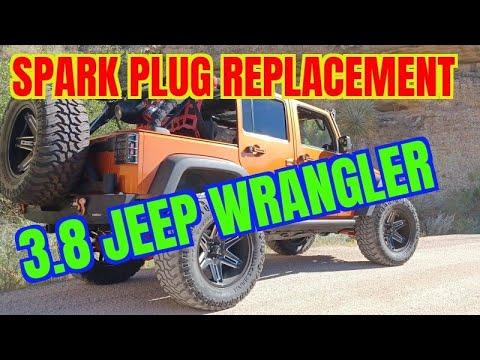






How to Replace Spark Plugs on a 2008 Jeep Wrangler 3.8L V6 (Step-by-Step)
Tools, parts, spark plug gap notes, and 20 ft-lbs (27 Nm) torque specs for a smooth DIY tune-up
How to Replace Spark Plugs on a 2008 Jeep Wrangler 3.8L V6 (Step-by-Step)
Tools, parts, spark plug gap notes, and 20 ft-lbs (27 Nm) torque specs for a smooth DIY tune-up


🔧 Wrangler - Spark Plug Replacement
On your Wrangler’s 3.8L V6, spark plugs wear over time and can cause rough idle, misfires, poor mpg, and hard starts. Replacing them is straightforward, but access is a little tight in a couple spots, so take your time and keep the plug wires in the correct order.
Difficulty Level: Intermediate | Estimated Time: 1.5-3.0 hours
⚠️ Safety & Precautions
- ⚠️ Work on a cold engine to avoid burns and damaged threads in the cylinder head.
- ⚠️ Keep plug wires in order; mixing them up can cause a no-start or misfire.
- ⚠️ Blow dirt away before removing plugs so debris doesn’t fall into the cylinder.
- ⚠️ Battery disconnect is not required, but disconnecting the negative terminal prevents accidental shorts while working near wiring.
🔧 Required Tools
You'll need the following tools for this repair:
- 5/8" spark plug socket (3/8" drive)
- 3/8" drive ratchet
- 3/8" drive extension set (3", 6", 10")
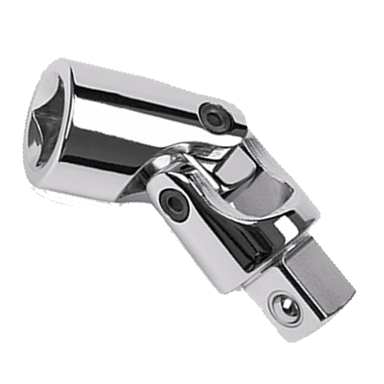
- 3/8" drive universal joint
- Torque wrench (3/8" drive, 10-40 ft-lbs range)
- 8mm socket
- Flat-blade screwdriver
- Spark plug gap gauge (wire style)
- Plug boot pliers
- Compressed air blow gun
- Marker tape or paint marker
- Nitrile gloves
- Safety glasses
🔩 Required Parts
HowToo sells all the parts you need for this repair:
- Spark plugs (3.8L V6 spec) - Qty: 6
- Dielectric grease (spark plug boot grease) - Qty: 1
- Spark plug wire set - Qty: 1 Optional if wires are old/cracked.
📋 Before You Begin
- Park on level ground, set the parking brake, and let the engine cool fully.
- Use marker tape to label each plug wire before you remove anything.
- If you choose to disconnect the battery, use a 10mm wrench (not listed above) — if you want battery-disconnect steps, tell me and I’ll add that tool and the steps.
- Check the spark plug box for the specified gap; adjust only if the plug manufacturer says it’s allowed.
🔨 Step-by-Step Instructions
Follow these steps in order:
Step 1: Make access room (intake tube)
- Use an 8mm socket or flat-blade screwdriver to loosen the air intake tube clamps.
- Remove the intake tube/air ducting as needed to reach the passenger-side plugs more easily.
Step 2: Label the plug wires
- Use marker tape to mark each wire by cylinder location before removing it.
- This engine uses plug wires; each plug has a rubber “boot” on the end of the wire.
Step 3: Remove one plug wire (one cylinder at a time)
- Use plug boot pliers to twist the boot slightly, then pull it straight off the spark plug.
- Do one plug at a time to avoid mix-ups.
Step 4: Clean the area around the spark plug
- Put on safety glasses.
- Use the compressed air blow gun to blow dirt away from the plug area before removal.
Step 5: Remove the old spark plug
- Install the 5/8" spark plug socket on a 3/8" ratchet with the needed extension and universal joint.
- Turn counterclockwise to remove the plug, then lift it out carefully.
Step 6: Check and prep the new spark plug
- Use the spark plug gap gauge to verify the gap matches the spark plug spec for the 3.8L V6 (on the plug box/catalog listing).
- Apply a small dab of dielectric grease inside the plug wire boot (this helps prevent moisture and makes future removal easier).
- Don’t put dielectric grease on the plug threads.
Step 7: Install the new spark plug (avoid cross-threading)
- Place the new plug into the 5/8" spark plug socket.
- Thread it in by hand using only a 3/8" extension (no ratchet at first) until it seats.
- Finish tightening with a torque wrench: Torque to 27 Nm (20 ft-lbs).
Step 8: Reinstall the plug wire
- Push the boot straight onto the plug until you feel it click/seat firmly.
- Route the wire the same way it was originally to keep it away from hot or moving parts.
Step 9: Repeat for the remaining 5 spark plugs
- Repeat Steps 3–8 for each cylinder, one at a time, keeping wires in order.
- Use the universal joint and longer extensions as needed for the tighter rear plugs.
Step 10: Reinstall the intake tube
- Reinstall the air intake tube.
- Use an 8mm socket or flat-blade screwdriver to tighten the clamps snugly.
✅ After Repair
- Start the engine and let it idle for 1–2 minutes. It should run smooth with no shaking.
- Listen for a snapping/ticking sound near a plug wire (can indicate a wire not fully seated).
- Test drive 10–15 minutes and recheck that the intake tube clamps are tight.
- If you get a flashing check engine light or strong misfire, stop driving and recheck plug wire routing and seating.
💰 DIY vs Shop Cost
Shop Cost: $250-$450 (parts + labor)
DIY Cost: $45-$120 (parts only)
You Save: $130-$405 by doing it yourself!
Shop labor rates vary but typically run $100-$150/hour. This repair takes a shop approximately 1.5-3.0 hours.
🎯 Ready to get started?
HowToo makes it easy: same-day/2-day shipping on every part, plus all the tools and specialty tools you need! Check out the parts and tools sections below to add everything to your cart.