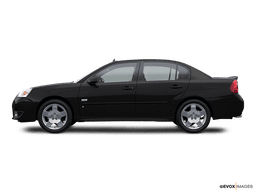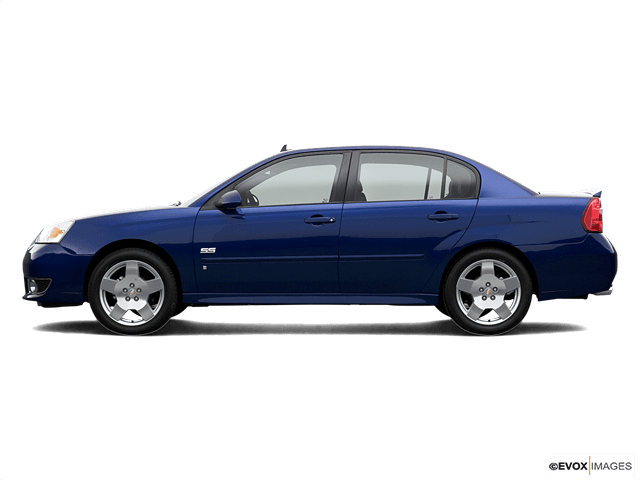














How to Replace Spark Plugs on a 2007-2010 Chevrolet Malibu (Front & Rear Bank Access) (Engine: V6 3.9L)
Step-by-step DIY guide with required tools/parts, spark plug gap checks, and torque specs (15 ft-lbs)
How to Replace Spark Plugs on a 2007-2010 Chevrolet Malibu (Front & Rear Bank Access) (Engine: V6 3.9L)
Step-by-step DIY guide with required tools/parts, spark plug gap checks, and torque specs (15 ft-lbs) for 2007, 2008, 2009, 2010


🔧 Malibu - Spark Plug Replacement
On your Malibu, replacing the spark plugs restores a strong spark for smooth idle, good power, and fuel economy. The front bank is straightforward; the rear bank is tighter and may require moving the engine forward slightly for access.
Difficulty Level: Intermediate | Estimated Time: 1.5-3.0 hours
⚠️ Safety & Precautions
- ⚠️ Work on a cold engine; hot exhaust parts can burn you.
- ⚠️ Disconnect the negative battery cable if you’ll be moving the engine or working near the starter/alternator wiring.
- ⚠️ Support the engine properly if you loosen any engine mount; never put hands near a loaded mount while repositioning.
- ⚠️ Blow dirt away from plug holes before removing plugs to prevent debris entering the cylinders.
🔧 Required Tools
You'll need the following tools for this repair:
- Safety glasses
- Mechanic gloves
- 10mm socket
- 13mm socket
- 15mm socket
- 3/8" drive ratchet
- 3/8" drive extension set (3", 6", 12")
- 3/8" drive swivel adapter
- 5/8" spark plug socket (rubber insert or магнит)
- Torque wrench (3/8" drive, 10-30 ft-lbs range)
- Flathead screwdriver
- Needle-nose pliers
- Compressed air blow gun
- Floor jack (rated 2-ton minimum)
- Jack stands (rated 2-ton minimum)
- Wood block (2x4)
- Ratchet strap (rated 500 lb minimum)
- Spark plug gap gauge (coin or wire style)
- Dielectric grease
🔩 Required Parts
HowToo sells all the parts you need for this repair:
- Spark plugs (correct fit for Malibu 3.9L) - Qty: 6
- Spark plug wire set - Qty: 1 (only if your engine uses plug wires)
- Ignition coil boots - Qty: 6 (only if your engine uses coil-on-plug boots)
📋 Before You Begin
- Park on level ground, set the parking brake, and open the hood.
- Let the engine cool fully (at least 1 hour after driving).
- If you plan to move the engine for the rear plugs: place the floor jack under the oil pan with a wood block (2x4) between the jack and pan to spread the load.
- Disconnect the battery: use a 10mm socket to remove the negative cable and tuck it aside.
🔨 Step-by-Step Instructions
Follow these steps in order:
Step 1: Remove the engine cover and open up access
- Remove the plastic engine cover (if equipped) by releasing fasteners/bolts using a 10mm socket or by pulling up at the corners (whichever your cover uses).
- Loosen the air intake duct clamps with a flathead screwdriver and move the duct out of the way if it blocks access.
Step 2: Identify your ignition setup (choose A or B)
- A: Coil-on-plug/coil-near-plug = a small electrical connector goes directly to a coil sitting on/near each plug.
- B: Plug wires = you see spark plug wires running from a coil pack/module to each spark plug.
- Do one cylinder at a time. This prevents mixing up wires/connectors.
Step 3: Front bank plugs (radiator side)
- For setup A: unplug the coil connector by lifting the lock tab and pulling the connector off by hand.
- For setup A: remove the coil hold-down bolt (if equipped) using a 10mm socket, then twist and pull the coil/boot straight up.
- For setup B: grip the plug wire boot (not the wire) and twist to break it loose, then pull it off the spark plug.
- Blow out the plug well using compressed air blow gun.
- Remove the spark plug using a 5/8" spark plug socket, 3/8" drive ratchet, and the needed extensions.
Step 4: Check and set the new plug gap
- Use a spark plug gap gauge to verify the gap matches the under-hood emissions label specification.
- If adjustment is needed, adjust carefully using the gauge tool—don’t pry on the center electrode.
Step 5: Install the new front bank plugs
- Thread the new plug in by hand using the 5/8" spark plug socket and a 6" extension only (no ratchet) to avoid cross-threading.
- Tighten with a torque wrench: Torque to 20 Nm (15 ft-lbs).
- Apply a small amount of dielectric grease inside the boot (the rubber end only).
- Reinstall coil/boot or plug wire until you feel/ hear it click onto the plug.
- Reinstall any coil bolts using a 10mm socket (snug, do not over-tighten).
Step 6: Rear bank access (firewall side)
- If you can reach the rear plugs as-is, skip to Step 7.
- Raise the front of the car with a floor jack (rated 2-ton minimum) and support with jack stands (rated 2-ton minimum).
- Support the engine lightly with the floor jack and wood block (2x4).
- Remove the upper engine mount fasteners (commonly called a “dogbone” mount—an engine mount that limits engine rocking) using a 15mm socket and/or 13mm socket.
- Use a ratchet strap to pull the engine forward slightly (attach to a solid tow hook/brace point, not plastic). Move it just enough to access rear plugs.
Step 7: Replace the rear bank plugs (one at a time)
- For setup A: unplug the coil connector by hand, remove the coil bolt with a 10mm socket (if equipped), and pull the coil/boot up.
- For setup B: remove the wire boot using a twist-and-pull motion by hand (use needle-nose pliers only on the boot if needed, not the wire).
- Blow out debris using the compressed air blow gun.
- Remove the plug using a 5/8" spark plug socket, extensions, and a 3/8" drive swivel adapter.
- Install the new plug by hand first, then tighten with the torque wrench: Torque to 20 Nm (15 ft-lbs).
- Apply dielectric grease to the inside of the boot and reinstall the coil/boot or wire.
Step 8: Reinstall engine mount and reassemble
- Return the engine to its normal position (release the ratchet strap slowly).
- Reinstall the upper engine mount fasteners using a 13mm socket / 15mm socket and tighten securely.
- Reinstall the intake duct and tighten clamps using a flathead screwdriver.
- Reinstall the engine cover using a 10mm socket if applicable.
- Reconnect the negative battery cable using a 10mm socket.
✅ After Repair
- Start the engine and let it idle for 1-2 minutes. It should run smooth with no flashing check-engine light.
- Listen for ticking or puffing sounds near the plugs/boots that could indicate a loose plug or boot not fully seated.
- Test drive 10 minutes and recheck for any misfire, hesitation, or fuel smell.
- If the check-engine light is on, a scan tool can confirm if any misfire codes (P0300-P0306) remain.
💰 DIY vs Shop Cost
Shop Cost: $250-$550 (parts + labor)
DIY Cost: $45-$140 (parts only)
You Save: $205-$410 by doing it yourself!
Shop labor rates vary but typically run $100-$150/hour. This repair takes a shop approximately 1.5-3.0 hours.
🎯 Ready to get started?
HowToo makes it easy: same-day/2-day shipping on every part, plus all the tools and specialty tools you need! Check out the parts and tools sections below to add everything to your cart.