









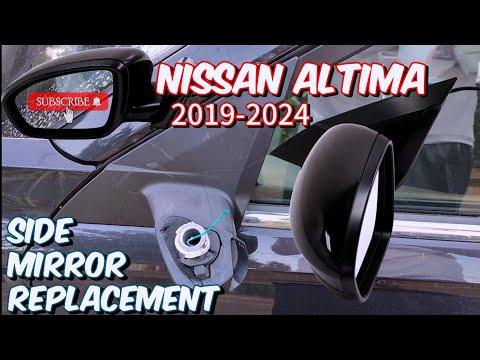





How to Replace Side View Mirrors on a 2020 Nissan Altima
Step-by-step DIY mirror replacement with tools, parts list, torque specs, safety tips, and cost savings for 2019, 2020, 2021, 2022, 2023
How to Replace Side View Mirrors on a 2020 Nissan Altima
Step-by-step DIY mirror replacement with tools, parts list, torque specs, safety tips, and cost savings for 2019, 2020, 2021, 2022, 2023


🔧 Altima - Side View Mirror Replacement
You’ll be removing the interior door trim at the mirror corner, unplugging the mirror wiring, then unbolting and swapping the mirror assembly. This is mostly careful panel removal and simple bolts, but there are hidden clips and an electrical connector to watch for.
Difficulty Level: Beginner | Estimated Time: 1–1.5 hours per side
⚠️ Safety & Precautions
- ⚠️ Work with the engine off, shifter in Park, and parking brake fully set.
- ⚠️ Disconnect the negative battery cable so you don’t short anything or trigger warning lights while unplugging the mirror wiring.
- ⚠️ Plastic door trims and clips can crack easily; use plastic trim tools, not metal screwdrivers, on visible panels.
- ⚠️ Support the mirror with one hand when removing the last mounting nut so it doesn’t fall and scratch the door.
🔧 Required Tools
You'll need the following tools for this repair:
- 10mm socket
- 1/4" drive ratchet
- 1/4" drive extension (3–6")
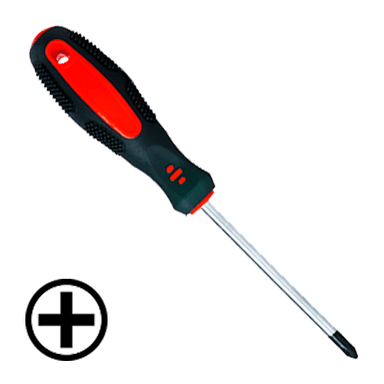
- Phillips #2 screwdriver
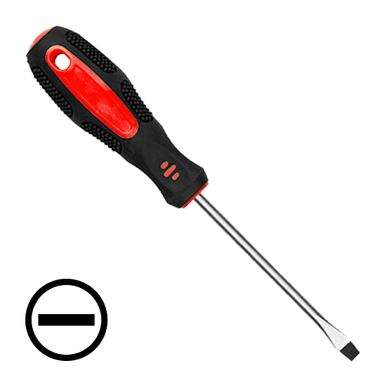
- Flat blade screwdriver (small)
- Plastic trim removal tool set (specialty)
- Needle-nose pliers
- Torque wrench (inch‑lb or low ft‑lb range)
- Shop light or flashlight
- Fender cover or clean towel
- Electrical tape
- Mechanic gloves
- Safety glasses
🔩 Required Parts
HowToo sells all the parts you need for this repair:
- Side view mirror assembly (power, heated, with correct options) - Qty: 1 per side
- Door mirror triangle trim clips - Qty: 2–3 per side
- Butyl sealing strip or foam sealing tape - Qty: enough for 1 mirror
📋 Before You Begin
- Park the Altima on level ground, shift to Park, and set the parking brake.
- Lower the window on the side you’re working on to avoid pressing on the glass.
- Open the door fully and place a towel over the upper door edge to protect the paint.
- Disconnect the negative battery terminal using a 10mm socket and move the cable aside so it cannot spring back.
- Check that your replacement mirror matches your original: plug style, paint/black cap style, turn signal, blind-spot indicator, and heating if equipped.
🔨 Step-by-Step Instructions
Follow these steps in order:
Step 1: Confirm which side and mirror type
- Decide if you are replacing the entire mirror assembly (recommended) or just the glass. These steps are for the whole assembly.
- Compare the new mirror to the old one while still in your hand to be sure mounting studs and connector pins match.
Step 2: Remove the interior mirror trim triangle
- At the inside front corner of the door (by the mirror) is a small triangular plastic trim panel.
- Use a plastic trim removal tool to gently pry at the top edge of this triangle, working downward. Start at the top to reduce cracking risk.
- There are plastic clips behind it; pop them loose one by one. If it feels stuck, move the tool to a different edge, don’t force it.
- Once loose, pull the triangle straight away from the door. If there is a small tweeter speaker in this piece, unplug it using your fingers or needle‑nose pliers carefully on the connector body, not the wires.
Step 3: Locate mirror mounting nuts and wiring connector
- Behind that triangle you’ll see the mirror mounting area with 3 studs and 10mm nuts, plus the mirror wiring harness.
- Follow the wire from the mirror to its connector. It’s usually clipped to the door metal or passing through a small opening.
- If the connector sits deeper in the door, gently pull some slack toward you by loosening any tape or plastic clips with a plastic trim tool.
Step 4: Unplug the mirror wiring
- Press the locking tab on the electrical connector using your thumb or a small flat blade screwdriver and pull the connectors apart.
- Do not pull on the wires; always grip the plastic body of the connector.
- If there is any foam seal or tape, peel it back carefully so you can reuse or replace it later.
Step 5: Remove the mirror mounting nuts
- Support the outside mirror with one hand so it does not drop when loose.
- Use a 10mm socket with 1/4" ratchet and extension to remove the 3 mirror nuts from inside the door.
- Place the nuts in a small container or on a magnet so you don’t lose them.
- There is no official torque spec needed for removal, but when reinstalling you’ll snug them to about 7–9 Nm (62–80 in‑lbs).
Step 6: Remove the old mirror from the door
- With the nuts removed and the wiring unplugged, gently pull the mirror straight out from the door.
- Feed the wiring harness and rubber grommet (if present) out through the hole carefully so you don’t damage the edges.
- Inspect the door’s paint and the sealing surface where the mirror sat; clean dust and old adhesive with a clean rag.
Step 7: Prepare the new mirror
- Compare the new mirror mounting studs and connector again to the original.
- If the original mirror had a foam gasket or seal, move it to the new mirror if it is in good shape; otherwise apply a thin strip of butyl sealing strip or foam sealing tape around the mounting area on the new mirror.
- A good seal helps keep water and wind noise out.
Step 8: Install the new mirror onto the door
- Feed the new mirror’s wiring harness through the same hole in the door.
- Align the mirror’s studs with the holes and sit the mirror flat against the door, making sure the gasket or seal sits evenly.
- Hold the mirror in place with one hand while you thread the nuts on inside.
- Install the 3 10mm nuts by hand a few turns to avoid cross‑threading.
Step 9: Tighten the mirror mounting nuts
- Use a 10mm socket and ratchet to snug each nut evenly, working in a triangle pattern (top, bottom left, bottom right).
- Then use a torque wrench with 10mm socket to tighten each nut to about 7–9 Nm (62–80 in‑lbs).
- Do not overtighten; too much force can crack the plastic mirror base or deform the door skin.
Step 10: Reconnect and secure the wiring
- Plug the mirror connector back into the body harness until it clicks. A click means the lock is engaged.
- If there were any wiring clips or tape, reattach them to their original spots using electrical tape as needed so the wire does not rattle or rub sharp edges.
- Make sure wires are not pinched where the trim triangle will go.
Step 11: Reinstall the interior mirror trim triangle
- If your triangle piece has a tweeter speaker, reconnect its small plug first.
- Align the triangle with the door frame, making sure its hooks and clips line up with the holes.
- Press firmly around the edges with your hand to snap the clips back in. You should hear/feel them click.
- If any clip broke, replace it with new clips before installing for a tight fit.
Step 12: Reconnect the battery and test the mirror
- Reconnect the negative battery cable using a 10mm socket and snug the nut. Torque to 5–7 Nm (44–62 in‑lbs) if you have a small torque wrench.
- Turn the ignition to ON (engine can be off) and use the interior mirror switch to move the mirror in all directions.
- If equipped with heating, turn on rear defrost and feel the mirror surface after a couple of minutes to confirm it warms up.
- If equipped with turn signal or blind‑spot indicator, activate the signal and check that the light works, and verify the blind‑spot warning icon illuminates when a car is beside you during a safe test drive.
Step 13: Repeat on the other side (if needed)
- If you are replacing both mirrors, repeat the same process for the other door.
- Do one side fully first so you can reference the other if unsure.
✅ After Repair
- Start the car and check both power adjustment and folding (if equipped) on the new mirror.
- Verify all related features: heater, turn signals in the mirror, blind‑spot warning lights or camera (if your Altima has them).
- Take a short drive and adjust the mirror position so you have a clear rear and side view with minimal blind spots.
- Listen for wind noise near the mirror at highway speed; if you hear a whistle, the seal or trim may not be seated and should be checked.
💰 DIY vs Shop Cost
Shop Cost: $300–$550 per side (parts + labor)
DIY Cost: $120–$250 per side (parts only, depending on options and paint)
You Save: About $180–$300 per side by doing it yourself!
Shop labor rates vary but typically run $100–$150/hour. This repair takes a shop approximately 0.8–1.0 hours per side.
🎯 Ready to get started?
HowToo makes it easy: same-day/2-day shipping on every part, plus all the tools and specialty tools you need! Check out the parts and tools sections above to add everything to your cart.