









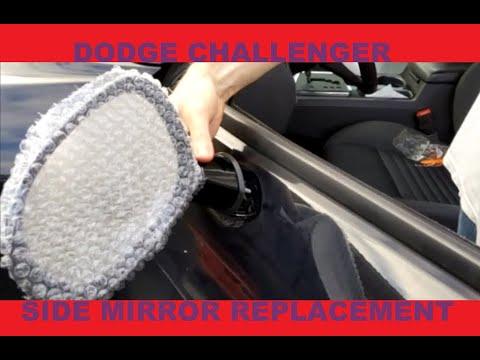





How to Replace Side View Mirrors on a 2018 Dodge Challenger (LH/RH)
Step-by-step door panel removal, wiring unplug, parts/tools list, and 80 in-lb torque spec
How to Replace Side View Mirrors on a 2018 Dodge Challenger (LH/RH)
Step-by-step door panel removal, wiring unplug, parts/tools list, and 80 in-lb torque spec


🔧 Challenger - Side View Mirror Replacement
Replacing a side view mirror on your Challenger typically means removing the inner door trim panel, unplugging the mirror wiring, and swapping the mirror assembly at the door’s sail panel area. The most important part is protecting the paint/trim and making sure the electrical connector is fully seated so heat/adjustments work correctly.
Difficulty Level: Intermediate | Estimated Time: 1.0-2.0 hours (per side)
⚠️ Safety & Precautions
- ⚠️ Turn the ignition OFF and remove the key before unplugging door electrical connectors.
- ⚠️ Support the door trim panel as you remove it so it doesn’t hang by the wiring.
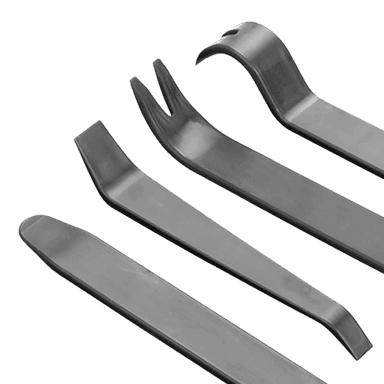
- ⚠️ Use plastic trim tools (not a screwdriver) to reduce the chance of scratching the door panel and paint.
- ⚠️ Battery disconnect is recommended if your mirror has Blind Spot/turn signal features to reduce the chance of setting a fault.
🔧 Required Tools
You'll need the following tools for this repair:
- Safety glasses
- Nitrile gloves
- Plastic trim removal tool set
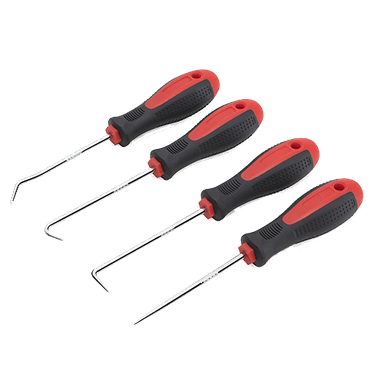
- Pick tool
- Ratchet (3/8")
- Extension (3"–6")
- 10mm socket
- Torx T20 driver
- Torx T30 driver
- Small flat screwdriver
- Torque wrench (inch-pound)
- Painter’s tape
🔩 Required Parts
HowToo sells all the parts you need for this repair:
- Side view mirror assembly (LH driver or RH passenger, correct options: heated/turn signal/blind spot) - Qty: 1
- Door trim panel fastener clips - Qty: 4-10
- Butyl tape (weather barrier reseal) - Qty: 1
📋 Before You Begin
- Park on level ground, turn ignition OFF, and open the window on the side you’re working on.
- Apply painter’s tape along the door edge and near the mirror base to help protect paint.
- If equipped with blind spot/turn signal in the mirror, disconnect the battery: use a 10mm socket to remove the negative terminal and isolate it so it can’t spring back.
- Take a quick photo of connectors before unplugging.
🔨 Step-by-Step Instructions
Follow these steps in order:
Step 1: Remove the sail panel trim
- At the front upper corner of the door (inside), locate the small triangular trim cover (“sail panel”).
- Use a plastic trim removal tool set to gently pry the sail panel loose and remove it.
Step 2: Remove the inner door trim panel fasteners
- Locate and remove visible screws in the pull handle/armrest area using a Torx T20 driver or Torx T30 driver (varies by door trim).
- If there’s a small cover hiding a screw, lift it carefully with a pick tool or small flat screwdriver, then remove the screw with the correct Torx driver.
Step 3: Release the door trim panel clips
- Start at the lower edge of the door panel.
- Use a plastic trim removal tool set to pop the push-clips free around the perimeter.
- Pull straight out to avoid breaking clips.
Step 4: Lift the door trim panel up and disconnect wiring
- Lift the door trim panel straight upward to unhook it from the window ledge.
- Support the panel and disconnect electrical connectors using a pick tool to release any lock tabs.
- Disconnect the inside door handle cable/rod if equipped: use a plastic trim removal tool set to unclip the retainer, then remove the cable end.
Step 5: Peel back the water shield (weather barrier)
- Carefully peel back the plastic water shield near the mirror area.
- Use a plastic trim removal tool set and go slowly to keep the butyl adhesive reusable.
Step 6: Unplug the mirror connector
- Locate the mirror electrical connector inside the door near the mirror mounting area.
- Release the lock tab with a pick tool, then unplug it.
Step 7: Remove the mirror mounting nuts
- Support the mirror from the outside with one hand.
- Use a 10mm socket, ratchet (3/8"), and extension (3"–6") to remove the mirror mounting nuts (typically 3).
- Remove the mirror assembly from the outside of the door.
Step 8: Install the new mirror
- Position the new mirror on the door and hold it in place.
- Start all mounting nuts by hand to avoid cross-threading.
- Use a torque wrench (inch-pound) with a 10mm socket to tighten the nuts: Torque to 9 N·m (80 in-lb).
Step 9: Reconnect wiring and reseal the water shield
- Plug the mirror connector back in until it clicks/locks.
- Re-press the water shield into the butyl. If it won’t stick well, apply butyl tape and reseal the edge.
Step 10: Reinstall the door trim panel
- Reconnect all door panel electrical connectors and the door handle cable/rod.
- Hang the top of the door trim panel on the window ledge, then press inward to seat it.
- Press around the perimeter to re-engage all clips.
- Reinstall screws using the correct Torx T20 driver or Torx T30 driver and tighten them snugly.
- Reinstall the sail panel trim by pressing it into place.
Step 11: Reconnect battery (if disconnected)
- Reconnect the negative battery terminal using a 10mm socket.
✅ After Repair
- Turn ignition ON and verify mirror functions: power adjust, heat (if equipped), turn signal (if equipped), and blind spot indicator (if equipped).
- Check that the mirror is secure and doesn’t wobble while closing the door.
- Confirm the window goes up/down without catching the door trim panel.
- Drive and listen for wind noise at highway speed.
💰 DIY vs Shop Cost
Shop Cost: $350-$900 (parts + labor, depends on options/paint match)
DIY Cost: $120-$650 (parts only, depends on options/paint match)
You Save: $230-$250 by doing it yourself!
Shop labor rates vary but typically run $100-$150/hour. This repair takes a shop approximately 1.0-2.0 hours.
🎯 Ready to get started?
HowToo makes it easy: same-day/2-day shipping on every part, plus all the tools and specialty tools you need! Check out the parts and tools sections below to add everything to your cart.