









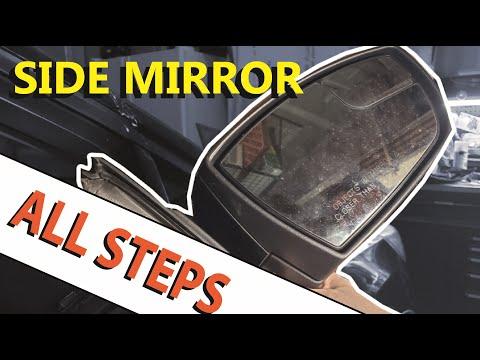





How to Replace Side View Mirrors on a 2013 Ford Escape (Driver or Passenger)
Step-by-step mirror removal and install with tools, parts, wiring tips, and mounting nut torque specs
How to Replace Side View Mirrors on a 2013 Ford Escape (Driver or Passenger)
Step-by-step mirror removal and install with tools, parts, wiring tips, and mounting nut torque specs


🔧 Escape - Side View Mirror Replacement
On your Escape, the outside mirror is held on by three nuts behind the small interior “sail panel” trim (the little triangle trim by the mirror). The main job is removing that trim, unplugging the mirror wiring, swapping the mirror, then confirming all features work.
Difficulty Level: Intermediate | Estimated Time: 0.5-1.5 hours (per side)
⚠️ Safety & Precautions
- 🧤 Work on level ground, ignition OFF, key away from the vehicle.
- 🪟 Support the mirror when removing the last nut so it doesn’t fall and chip paint.
- ⚡ If your mirror has turn signal, heat, puddle lamp, or BLIS, disconnect the battery negative cable before unplugging connectors to prevent shorts.
- 🛠️ Use plastic trim tools to avoid cracking the sail panel or scratching the door panel.
🔧 Required Tools
You'll need the following tools for this repair:
- 10mm socket
- 1/4" drive ratchet
- 1/4" drive extension (3"-6")
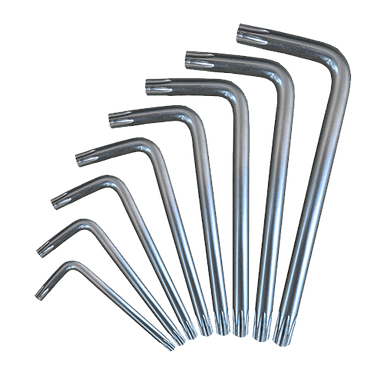
- Torx T20 screwdriver
- 7mm socket
- Plastic trim removal tool set
- Small flat screwdriver
- Needle-nose pliers
- Painters tape
- Torque wrench (inch-pound or small ft-lb)
- Safety glasses
- Mechanic gloves
🔩 Required Parts
HowToo sells all the parts you need for this repair:
- Side view mirror assembly (matched to options: power/heated/turn signal/BLIS) - Qty: 1
- Mirror mounting nuts (optional, if originals are damaged) - Qty: 3
- Door trim panel clips (optional, if any break) - Qty: 1-10
📋 Before You Begin
- ❓ Which mirror are you replacing: driver or passenger?
- ❓ Does your mirror have BLIS (blind-spot warning) and/or a turn signal on the mirror?
- Park with the wheels straight. Lower the window glass a few inches so you can grip the door panel if needed.
- If equipped with extra mirror electronics (heat/turn/BLIS/puddle), disconnect the battery negative cable: use a 10mm socket to loosen the clamp and isolate the cable so it can’t spring back.
- Apply painters tape around the mirror base on the outside of the door to protect paint.
🔨 Step-by-Step Instructions
Follow these steps in order:
Step 1: Remove the interior sail panel trim
- Use a plastic trim removal tool set to pry at the edge of the small triangular trim panel at the front top corner of the door (inside).
- Work around the edges and pop the retaining clips free, then pull the sail panel off by hand.
- Pull straight out to avoid breaking clips.
Step 2: Locate the mirror connector and mounting nuts
- Look behind where the sail panel was: you should see the mirror wiring connector and three 10mm nuts.
- If the connector has a locking tab, use a small flat screwdriver to gently lift the lock (if present), then press the tab and unplug by hand.
- Never pull on the wires—pull the connector body.
Step 3: If the connector is not accessible, remove the door trim panel (only if needed)
- Remove visible screws using a Torx T20 screwdriver (commonly in the door pull/handle area).
- Remove any 7mm fasteners (varies by build) using a 7mm socket.
- Use a plastic trim removal tool set to pop the door panel clips around the perimeter.
- Lift the door panel upward to unhook it from the window channel, then support it.
- Disconnect electrical connectors using a small flat screwdriver only as needed to release locking tabs.
- If clips stay in the door, transfer them back to the panel.
Step 4: Remove the old mirror
- Hold the mirror on the outside with one hand.
- Use a 10mm socket, 1/4" drive ratchet, and extension to remove the three mirror mounting nuts.
- Carefully pull the mirror away from the door and feed the wiring/connector through the opening.
Step 5: Install the new mirror
- Feed the new mirror wiring through the door opening and set the mirror onto the mounting studs.
- Hand-thread all three nuts first to avoid cross-threading.
- Tighten the nuts evenly using a 10mm socket and ratchet.
- Torque to 9-10 Nm (80-90 in-lbs) using a torque wrench.
Step 6: Reconnect wiring and reassemble trim
- Plug the mirror connector back in until it clicks (use needle-nose pliers only to guide clips—do not crush the connector).
- If you removed the door panel, reconnect all door connectors, hang the panel on the top lip, then press clips in around the perimeter by hand.
- Reinstall screws using a Torx T20 screwdriver and/or 7mm socket as applicable.
- Reinstall the sail panel by lining up the clips and pressing it in by hand.
Step 7: Reconnect the battery (if disconnected)
- Reconnect the negative terminal and tighten with a 10mm socket.
✅ After Repair
- Test mirror movement using the mirror switch (up/down/left/right).
- If equipped, test: heated mirror (defrost), turn signal indicator, puddle lamp, and BLIS indicator.
- Confirm the mirror sits flush to the door and there are no wind-noise gaps.
- If the door panel was removed, verify the window, lock, and speaker all work.
💰 DIY vs Shop Cost
Shop Cost: $250-$700 (parts + labor, depends on BLIS/paint/options)
DIY Cost: $80-$450 (parts only, depends on options)
You Save: $170-$250+ by doing it yourself!
Shop labor rates vary but typically run $100-$150/hour. This repair takes a shop approximately 0.7-1.2 hours.
🎯 Ready to get started?
HowToo makes it easy: same-day/2-day shipping on every part, plus all the tools and specialty tools you need! Check out the parts and tools sections below to add everything to your cart.