














How to Replace Shock Absorbers on a 2007 GMC Sierra 1500 (Front & Rear)
Step-by-step DIY instructions with tools, parts list, safety tips, and torque specs guidance for 2007, 2008, 2009, 2010, 2011, 2012, 2013
How to Replace Shock Absorbers on a 2007 GMC Sierra 1500 (Front & Rear)
Step-by-step DIY instructions with tools, parts list, safety tips, and torque specs guidance for 2007, 2008, 2009, 2010, 2011, 2012, 2013


🔧 Sierra 1500 - Shock Absorber Replacement
Replacing the shocks on your Sierra 1500 restores ride control, reduces bouncing, and improves braking stability. The exact hardware and torque specs can vary depending on whether you’re doing the front, rear, or all four—and whether the front uses torsion-bar suspension.
Difficulty Level: Intermediate | Estimated Time: 1.5-3.5 hours (pair)
Quick questions (so I can give you the exact torque specs and the correct steps):
- 🔹 Are you replacing front, rear, or all four shocks?
- 🔹 Is your Sierra 1500 2WD or 4WD?
⚠️ Safety & Precautions
- 🔹 Support the truck with jack stands—never rely on a floor jack alone.
- 🔹 Keep hands clear when lowering/raising the axle; it can shift suddenly.
- 🔹 If working near rusty fasteners, wear safety glasses and use penetrating oil.
- 🔹 Don’t remove or loosen any torsion-bar adjuster hardware (front suspension) unless instructed—torsion bars store spring energy.
🔧 Required Tools
You'll need the following tools for this repair:
- Floor jack (rated 3-ton minimum)
- Jack stands (rated 3-ton minimum)
- Wheel chocks
- Breaker bar 1/2"
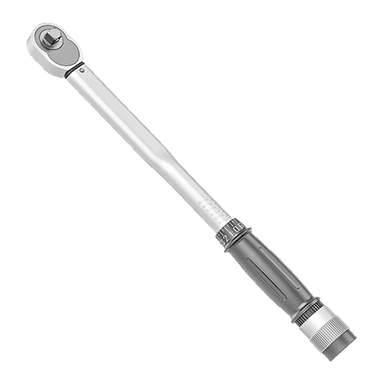
- Torque wrench 1/2" drive (30-200 ft-lbs range)
- Socket set 1/2" drive (metric 13mm-24mm)
- Wrench set (metric 13mm-24mm)
- Ratchet 3/8" drive
- Socket set 3/8" drive (metric 10mm-18mm)
- Pry bar 18"
- Penetrating oil
- Wire brush
- Needle-nose pliers
- Safety glasses
- Mechanic gloves
🔩 Required Parts
HowToo sells all the parts you need for this repair:
- Front shock absorbers - Replace in pairs - Qty: 2
- Rear shock absorbers - Replace in pairs - Qty: 2
- Shock mounting hardware kit - Optional but recommended - Qty: 1
- Anti-seize compound - Qty: 1
📋 Before You Begin
- 🔹 Park on level ground, put the transmission in P, and set the parking brake.
- 🔹 Chock the wheels that stay on the ground.
- 🔹 Spray all shock mounting nuts/bolts with penetrating oil and let it soak 10–15 minutes.
- 🔹 If you’re doing the rear: plan to support the rear axle with the floor jack so it doesn’t drop.
🔨 Step-by-Step Instructions
Follow these steps in order:
Step 1: Safely lift and support the truck
- Chock the wheels using wheel chocks.
- Loosen lug nuts 1/2 turn using a breaker bar 1/2" and the correct lug nut socket.
- Lift the end you’re working on with a floor jack (rated 3-ton minimum).
- Set the frame onto jack stands (rated 3-ton minimum).
- Remove the wheels using a socket set 1/2" drive.
Step 2: Rear shock removal (do this if you’re replacing rear shocks)
- Support the rear axle lightly with the floor jack (rated 3-ton minimum).
- Clean exposed threads with a wire brush, then re-spray with penetrating oil.
- Remove the lower shock bolt using a socket set 1/2" drive and wrench set (metric).
- Remove the upper shock mount hardware using a ratchet 3/8" drive and socket set 3/8" drive.
- Work the shock out; use a pry bar 18" if it’s stuck in the mount. Wiggle, don’t force the bushing.
Step 3: Front shock removal (do this if you’re replacing front shocks)
- Turn the steering for access as needed.
- Clean exposed threads with a wire brush, then use penetrating oil.
- Remove the lower shock bolt using a socket set 1/2" drive and wrench set (metric).
- Remove the upper shock mount hardware using a ratchet 3/8" drive and socket set 3/8" drive.
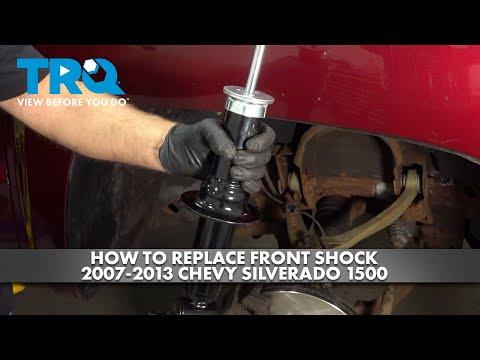
- Compress the shock by hand and remove it from the mounts.
Step 4: Install the new shock (torque specs pending your 2 answers)
- Compare old vs new shocks (length, mounts, bushings) before installing.
- Position the new shock into the upper mount first, then align the lower mount.
- Start all bolts/nuts by hand to avoid cross-threading.
- Snug hardware using a ratchet 3/8" drive or socket set 1/2" drive, but do not final-torque yet.
- Apply a light coat of anti-seize compound to bolt shanks if desired (avoid rubber bushings).
- Reply with Front/Rear/All + 2WD/4WD and I’ll give you the exact Torque to XX Nm (YY ft-lbs) values and the correct “tighten at ride height” guidance if applicable.
Step 5: Reinstall wheels and lower
- Install wheels and hand-thread lug nuts.
- Lower the truck off the jack stands (rated 3-ton minimum) using the floor jack (rated 3-ton minimum).
- Final-tighten lug nuts using a torque wrench 1/2" drive (I’ll confirm your lug torque once you answer 2WD/4WD).
✅ After Repair
- 🔹 Bounce-test each corner; it should settle quickly and feel controlled.
- 🔹 Test drive at low speed first; listen for clunks over bumps.
- 🔹 Recheck shock hardware for tightness after the first drive.
- 🔹 If the truck pulls, wanders, or the steering wheel is off-center after front work, schedule an alignment.
💰 DIY vs Shop Cost
Shop Cost: $350-$900 (parts + labor, depending on front/rear/all four)
DIY Cost: $120-$500 (parts only, depending on brand and how many)
You Save: $230-$400+ by doing it yourself!
Shop labor rates vary but typically run $100-$150/hour. This repair takes a shop approximately 1.5-3.5 hours.
🎯 Ready to get started?
HowToo makes it easy: same-day/2-day shipping on every part, plus all the tools and specialty tools you need! Check out the parts and tools sections below to add everything to your cart.