









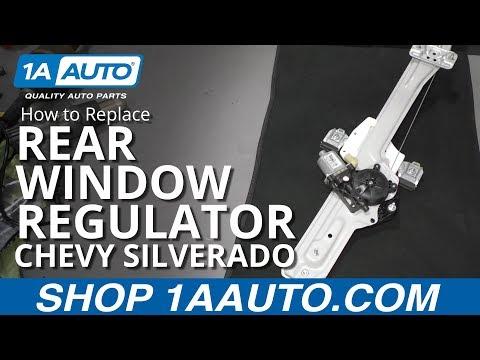




How to Replace Rear Window Regulators on a 2019 GMC Sierra 1500
Step-by-step DIY rear door regulator replacement with tools, parts list, safety tips, and testing instructions for 2019, 2020, 2021, 2022, 2023, 2024
How to Replace Rear Window Regulators on a 2019 GMC Sierra 1500
Step-by-step DIY rear door regulator replacement with tools, parts list, safety tips, and testing instructions for 2019, 2020, 2021, 2022, 2023, 2024


🔧 Sierra 1500 - Rear Window Regulator Replacement
You'll remove the rear interior door panel, disconnect the glass from the regulator, then swap in a new regulator and reassemble. This restores smooth window movement when the glass won’t go up, down, or stays crooked.
Difficulty Level: Intermediate | Estimated Time: 1–1.5 hours per door
⚠️ Safety & Precautions
- ⚠️ Disconnect the negative battery cable before working near power window wiring to avoid short circuits.
- ⚠️ Support the window glass so it cannot fall and crack or pinch your fingers.
- ⚠️ Work with the truck on level ground, in Park, with the parking brake set.
- ⚠️ Use plastic trim tools to avoid damaging painted or soft interior surfaces.
- ⚠️ Keep fingers clear of the regulator and tracks when moving the glass.
🔧 Required Tools
You'll need the following tools for this repair:
- 🧰 Ratchet handle 3/8"
- 🧰 7mm socket
- 🧰 10mm socket
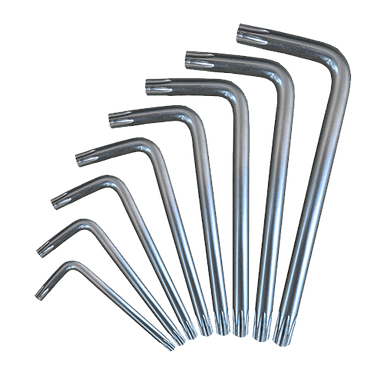
- 🧰 Torx T15 screwdriver
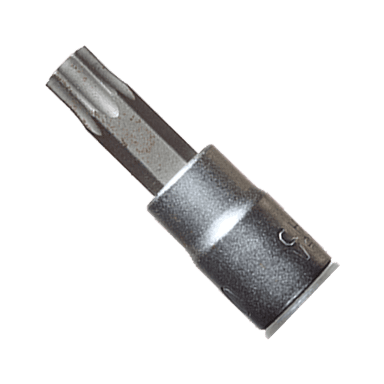
- 🧰 Torx T30 bit with 3/8" drive
- 🧰 Extension 3/8" drive (3–6")
- 🧰 Trim removal tool set (plastic)
- 🧰 Flat trim clip removal tool
- 🧰 Small flathead screwdriver
- 🧰 Needle-nose pliers
- 🧰 Painter's tape 1" or 2"
- 🧰 Utility knife
- 🧰 Pick tool set (specialty)
- 🧰 Torque wrench 3/8" drive
- 🧰 Work light
- 🧰 Mechanic gloves
- 🧰 Safety glasses
🔩 Required Parts
HowToo sells all the parts you need for this repair:
- 🔩 Rear left window regulator with motor (power) - Qty: 1
- 🔩 Rear right window regulator with motor (power) - Qty: 1
- 🔩 Rear door panel push clips - Qty: 10–20 (have extras)
- 🔩 Water shield vapor barrier butyl tape - Qty: 1 roll
- 🔩 Dielectric grease (for electrical connectors) - Qty: 1 small tube
📋 Before You Begin
- Park the Sierra on level ground, shift to Park, and set the parking brake.
- Lower the affected rear window until you can see the glass mounting bolts through the door opening if possible; if the regulator is dead, you’ll access them once the panel is off.
- Turn ignition OFF and remove the key.
- Open the rear door you’re working on fully for good access.
- Disconnect the negative battery terminal using a 10mm socket and move the cable aside.
🔨 Step-by-Step Instructions
Follow these steps in order:
Step 1: Remove trim covers and visible screws
- Use a small flathead screwdriver or pick tool to gently pop off the small plastic cover behind the interior door handle. Work slowly to avoid marks
- Use a Torx T15 screwdriver to remove the screw behind that cover.
- Use a trim removal tool to lift the rubber mat out of the door pull/armrest pocket.
- Use a 7mm socket with ratchet to remove the screws hidden under that mat and any along the bottom edge of the door panel.
Step 2: Remove the rear door switch bezel and disconnect wiring
- Use a trim removal tool to gently pry up the rear window switch bezel from the armrest area.
- Lift the bezel and press the locking tab on the electrical connector with a small flathead screwdriver, then unplug it.
- Set the switch bezel aside somewhere safe.
Step 3: Release the door panel clips
- Starting along the bottom edge of the door panel, slide a trim removal tool between the panel and the metal door.
- Pry gently to pop the first plastic clip loose; you’ll hear it release.
- Work your way around the sides and bottom, using the trim removal tool to release all the clips.
- Once all clips are free, lift the door panel straight up to unhook it from the window channel at the top.
- Carefully lean the panel away and disconnect any remaining electrical connectors by pressing tabs with a small flathead screwdriver.
Step 4: Remove the interior door handle cable
- On the back of the door panel, locate the cable going to the interior handle.
- Use needle-nose pliers or your fingers to unclip the cable housing from its bracket.
- Rotate the cable and unhook the cable end from the handle lever.
- Set the door panel aside in a clean area.
Step 5: Peel back the water shield (vapor barrier)
- You’ll see a plastic sheet stuck to the door with sticky butyl sealer. This keeps water out of the cab.
- Use a utility knife to carefully cut the butyl if needed, then slowly peel the plastic back from the area of the regulator and access holes.
- Try not to tear the plastic; let it hang or tape it up out of the way with painter's tape.
Step 6: Secure the window glass
- From the outside, fully close the door.
- Gently push the window glass all the way up by hand if it’s loose.
- Use several long strips of painter's tape over the top of the door frame to hold the glass in the up position. Run the tape from the outside of the glass, over the frame, to the inside.
- Use multiple strips so glass cannot slide
Step 7: Detach the glass from the regulator
- Look through the large access holes in the inner door metal to find the window glass mounting clamps or bolts on the regulator.
- If needed, reconnect the window switch temporarily and battery negative cable with a 10mm socket, turn key ON, and move the window slightly so the clamp bolts align with the access holes. Then disconnect battery again after positioning.
- Use a 10mm socket with ratchet to loosen (do not remove all the way) the glass clamp bolts on the regulator so the glass is free.
- Gently lift the glass fully up by hand and add more painter's tape across the top to secure it.
Step 8: Disconnect the window motor and regulator fasteners
- Locate the window motor on the inner door metal.
- Press the tab on the motor connector with a small flathead screwdriver and unplug it. Add a tiny bit of dielectric grease later when reconnecting.
- Use a 10mm socket with ratchet and extension to remove the bolts holding the regulator and motor to the door.
- Keep track of bolt locations; they may be different lengths.
Step 9: Remove the old regulator assembly
- Support the regulator with one hand while removing the last bolt with a 10mm socket.
- Angle the regulator assembly and motor out through the large access opening in the door. You may need to tilt and rotate it slightly.
- Remember its path to help install the new one
Step 10: Install the new regulator assembly
- Feed the new regulator and motor into the door through the same opening.
- Align its mounting holes with the holes in the door.
- Hand-thread all the regulator and motor bolts first to avoid cross-threading.
- Use a 10mm socket with ratchet to snug all bolts, then use a torque wrench with the same socket and tighten to manufacturer specification.
Step 11: Reattach the window glass to the regulator
- Carefully remove some of the painter's tape while holding the glass with one hand so it can sit down into the new regulator clamps.
- Lower the glass gently until it rests in the clamps.
- Use a 10mm socket to tighten the glass clamp bolts. Then use a torque wrench with 10mm socket and tighten to manufacturer specification.
- Remove the remaining tape from the door frame and glass.
Step 12: Reconnect wiring and test operation
- Reconnect the window motor connector, adding a thin film of dielectric grease to the terminals if available.
- Temporarily plug in the rear window switch by hand.
- Reconnect the battery negative cable with a 10mm socket.
- Turn ignition ON and run the window all the way down and up a few times. Listen for grinding or binding and watch that the glass moves smoothly and sits correctly in the frame.
- Turn ignition OFF and disconnect the battery again with a 10mm socket before final reassembly.
Step 13: Reinstall the water shield
- Press the plastic water shield back into place along its original line.
- If the butyl sealer no longer sticks well, lay a fresh bead of butyl from your butyl tape roll using your fingers, then press the plastic into it firmly.
- Make sure all wiring passes through the correct openings, not trapped behind the plastic.
Step 14: Reattach the door panel and handle cable
- Hook the interior handle cable end back into the handle lever, then snap the cable housing back into its bracket by hand.
- Reconnect all electrical connectors to the door panel using your fingers; make sure each clicks.
- Hang the top of the door panel on the window channel by lifting it into place.
- Once aligned at the top, press along the sides and bottom with your hands to snap all the push clips back into the door. Replace any broken clips with new ones.
Step 15: Reinstall screws, switch bezel, and covers
- Use a 7mm socket to reinstall all the screws along the bottom and in the armrest area; snug them with the ratchet to manufacturer specification.
- Use the Torx T15 screwdriver to reinstall the screw behind the interior handle, then snap the plastic cover back on by hand.
- Snap the switch bezel back into the armrest by hand.
- Reinstall the rubber mat into the door pull pocket by hand.
Step 16: Final battery connection and window check
- Reconnect the negative battery terminal using a 10mm socket and tighten to manufacturer specification.
- Turn ignition ON.
- Operate the rear window up and down several times. Listen for noises and ensure the glass seals well against the weatherstrip.
- Repeat the whole process on the other rear door if you’re replacing both regulators.
✅ After Repair
- Cycle each rear window fully up and down 5–10 times to confirm smooth, even movement.
- Check that the auto-down or one-touch features (if equipped) still work; if not, hold the switch up for a few seconds at the top to re-learn the limits.
- Inspect inside the rear doors and along the bottom weatherstrips after a car wash or rain to ensure there are no new water leaks.
- Listen for any rattles from the rear doors while driving over bumps; if you hear any, recheck that all panel clips and screws are fully seated.
💰 DIY vs Shop Cost
Shop Cost: $450–$650 per rear door (parts + labor)
DIY Cost: $120–$220 per rear door (parts only)
You Save: $330–$430 per door by doing it yourself!
Shop labor rates vary but typically run $100–$150/hour. This repair takes a shop approximately 1.0–1.5 hours per door.
🎯 Ready to get started?
HowToo makes it easy: same-day/2-day shipping on every part, plus all the tools and specialty tools you need! Check out the parts and tools sections above to add everything to your cart.