









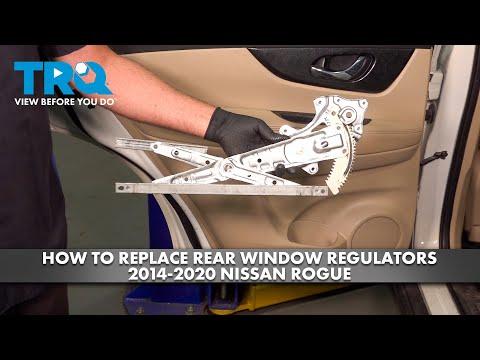





How to Replace Rear Window Regulators on a 2015 Nissan Rogue
Step-by-step DIY rear regulator and motor replacement with tools, parts list, torque specs, safety tips, and cost savings
How to Replace Rear Window Regulators on a 2015 Nissan Rogue
Step-by-step DIY rear regulator and motor replacement with tools, parts list, torque specs, safety tips, and cost savings


🔧 Rogue - Rear Window Regulator Replacement
You’ll remove the rear door trim, unbolt the glass, then swap the window regulator and motor assembly in your Rogue. This fixes issues like slow, stuck, or crooked rear windows.
Difficulty Level: Intermediate | Estimated Time: 1.5–2.5 hours per side
⚠️ Safety & Precautions
- 🔹Disconnect the negative battery cable before working on power windows to avoid accidental motor movement.
- 🔹Wear safety glasses; broken glass or clips can fly when prying parts off.
- 🔹Support the window glass securely with tape so it doesn’t drop and shatter.
- 🔹Do not slam the door while the glass is unbolted or taped in place.
- 🔹Work with the ignition OFF anytime connectors are unplugged.
🔧 Required Tools
You'll need the following tools for this repair:
- 🔹Ratchet handle 3/8"
- 🔹Extension 3/8" drive (3"–6")
- 🔹10mm socket
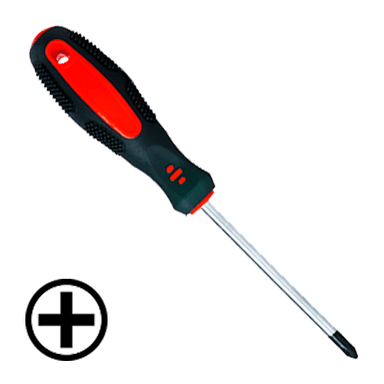
- 🔹Phillips #2 screwdriver
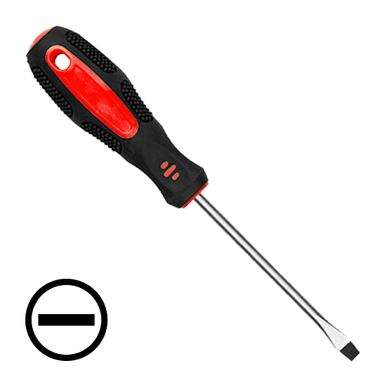
- 🔹Flathead screwdriver small
- 🔹Plastic trim removal tool set
- 🔹Plastic panel clip removal tool
- 🔹Needle-nose pliers
- 🔹Tape (2" wide painter’s tape or masking tape)
- 🔹Shop light or flashlight
- 🔹Magnetic pickup tool
- 🔹Torque wrench 3/8" drive (inch-lb scale)
- 🔹Trim-safe plastic scraper
- 🔹Mechanic’s gloves
- 🔹Safety glasses
🔩 Required Parts
HowToo sells all the parts you need for this repair:
- 🔹Rear window regulator with motor assembly (left side) - Qty: 1
- 🔹Rear window regulator with motor assembly (right side) - Qty: 1
- 🔹Rear door trim panel clips - Qty: 10–15 (have spares)
- 🔹Butyl seal or vapor barrier tape - Qty: 1 roll
- 🔹Plastic push-pin clips for door cable retainers - Qty: 2–4 (optional but recommended)
- 🔹Multi-purpose grease (synthetic) - Qty: small tube (for regulator tracks if dry)
📋 Before You Begin
- 🔹Park on level ground, shift to Park, and set the parking brake.
- 🔹Lower the affected rear window to about halfway if it still moves. If it won’t move, you’ll handle glass from the top.
- 🔹Turn ignition OFF and remove the key.
- 🔹Open the affected rear door fully for space.
- 🔹Disconnect the negative battery terminal using the 10mm socket and set the cable aside so it cannot spring back.
🔨 Step-by-Step Instructions
Follow these steps in order:
Step 1: Remove rear door trim panel
- 🔹Use the plastic trim removal tool to gently pop off the small plastic cover behind the inside door handle.
- 🔹Use the Phillips #2 screwdriver to remove the screw behind that cover.
- 🔹Pry up the window switch panel using the plastic trim removal tool from the front edge, then lift it out.
- 🔹Press the locking tab on the switch connector with your finger and unplug it; if tight, gently use the flathead screwdriver small.
- 🔹Inside the grab handle pocket, remove the hidden Phillips screw with the Phillips #2 screwdriver.
- 🔹Run the plastic trim removal tool along the bottom edge of the door panel to pop the clips; you’ll feel them release.
- 🔹Once all clips are loose, lift the whole door panel straight up and off the window ledge.
- 🔹Unhook the door handle cables from the back of the panel using your hands or needle-nose pliers. Remember which cable goes where. Take a quick photo for reference.
- 🔹Set the door panel somewhere clean and flat.
Step 2: Remove vapor barrier and expose regulator
- 🔹You’ll see a thin plastic sheet (vapor barrier) stuck to the door with sticky butyl.
- 🔹Use the trim-safe plastic scraper and your fingers to slowly peel the plastic back, starting at a corner. Try not to tear it.
- 🔹Fold it up and tape it out of the way with painter’s tape so it doesn’t stick to everything.
- 🔹Do not remove or damage the foam speaker or wiring harnesses nearby.
Step 3: Secure and disconnect the glass
- 🔹Look through the large access holes in the door. You should see two glass mounting clamps attached to the regulator.
- 🔹If the window is not at the right height to see the bolts, reconnect the window switch temporarily, reconnect the battery negative, turn ignition ON, move window until bolts appear, then turn ignition OFF and disconnect battery again.
- 🔹Use strips of painter’s tape from the outside of the glass over the top of the door frame and down inside to hold the glass firmly in place.
- 🔹Use the 10mm socket and ratchet to loosen (do not remove) the two glass clamp bolts until the glass can slide up and free of the clamps. Torque when reinstalling: 8 Nm (71 in-lb).
- 🔹Slide the glass fully up into the window frame by hand and add more painter’s tape over the top edge to secure it to the door frame. Use lots of tape to be safe.
Step 4: Remove the old regulator and motor
- 🔹Locate all regulator and motor mounting bolts through the access openings (usually three for the regulator rail and three for the motor bracket).
- 🔹Unplug the window motor electrical connector by pressing its tab, using the flathead screwdriver small if needed.
- 🔹Use the 10mm socket, extension, and ratchet to remove the regulator and motor bolts. Torque for installation: 8 Nm (71 in-lb).
- 🔹Support the regulator with one hand while removing the last bolt so it doesn’t drop inside the door.
- 🔹Maneuver the regulator and motor assembly out through the largest access opening. Rotate it as needed; take your time and don’t force it.
Step 5: Prepare and install the new regulator
- 🔹Compare the old and new regulators on a bench to be sure mounting points and connectors match.
- 🔹If the new regulator isn’t pre-greased, apply a thin layer of multi-purpose grease to the main sliding tracks only (avoid the cable drum and motor).
- 🔹Carefully feed the new regulator and motor assembly into the door through the large access opening.
- 🔹Align the regulator and motor mounting holes with the holes in the door.
- 🔹Install all regulator and motor bolts finger-tight first using the 10mm socket and ratchet.
- 🔹Tighten each regulator and motor bolt with the torque wrench and 10mm socket to 8 Nm (71 in-lb) in a crisscross pattern. Snug, not gorilla tight.
- 🔹Plug the motor electrical connector back in until it clicks.
Step 6: Reattach the glass to the regulator
- 🔹Remove the negative battery cable tape or hold it ready; you’ll need power briefly.
- 🔹Reconnect the window switch, reconnect the negative battery cable with the 10mm socket, and turn ignition ON.
- 🔹Using the switch, carefully move the regulator clamps to a position where they line up with the glass mounting area (if needed).
- 🔹Turn ignition OFF and disconnect the negative battery cable again before putting hands inside the door.
- 🔹Peel back the painter’s tape just enough so you can slide the glass down into the clamps while still supporting it.
- 🔹Gently lower the glass into the clamps by hand until it seats fully in both clamps.
- 🔹Use the 10mm socket and ratchet to tighten the two glass clamp bolts evenly. Then use the torque wrench and 10mm socket to tighten to 8 Nm (71 in-lb).
- 🔹Remove the remaining painter’s tape from the outside of the glass and door frame.
Step 7: Test window operation (door still apart)
- 🔹Reconnect the negative battery terminal with the 10mm socket.
- 🔹Turn ignition ON.
- 🔹Operate the rear window switch to move the window up and down several times.
- 🔹Watch that the glass moves smoothly, doesn’t tilt, and seats firmly at the top without strange noises.
- 🔹If movement is crooked, loosen the glass clamp bolts slightly with the 10mm socket, adjust the glass by hand, then retighten to 8 Nm (71 in-lb) and retest.
- 🔹Turn ignition OFF and disconnect the negative battery cable again before reinstalling trim.
Step 8: Reinstall vapor barrier
- 🔹Press the original vapor barrier back into place, lining up all holes and edges.
- 🔹If the butyl adhesive is weak or missing in spots, apply fresh butyl seal or vapor barrier tape around the openings with your fingers or trim-safe plastic scraper.
- 🔹Make sure there are no big gaps; this keeps water and dust out of the cabin.
Step 9: Reinstall door panel
- 🔹Reconnect the inner door handle cables to their levers on the back of the door panel; match them to your photo.
- 🔹Hook the top edge of the door panel over the window ledge first.
- 🔹Once the top is seated, align the plastic clips with the holes in the door.
- 🔹Use your palm to firmly tap around the edges of the panel to snap all clips in. Replace any broken clips with new ones from your door trim panel clips set.
- 🔹Reinstall the screw in the grab handle pocket using the Phillips #2 screwdriver. Torque: snug, about 3–4 Nm (27–35 in-lb).
- 🔹Reinstall the screw behind the inner handle cover with the Phillips #2 screwdriver and snap the small trim cover back on.
- 🔹Reconnect the window switch electrical connector and push the switch panel back into the door until it clicks in place.
Step 10: Final electrical reconnect and function check
- 🔹Reconnect the negative battery terminal for the last time using the 10mm socket.
- 🔹Turn ignition ON.
- 🔹Test that the rear window goes fully up and down from both the rear door switch and the driver’s master switch.
- 🔹Listen for any scraping or binding. If you hear anything odd, stop and recheck regulator alignment and glass clamp tightness.
- 🔹Close and open the door a few times while cycling the window to make sure nothing rubs.
✅ After Repair
- 🔹Confirm child window lock on the driver’s door doesn’t block rear window testing.
- 🔹Verify door locks, inside handle, and speakers still work on that door.
- 🔹Check weatherstrips around the window for proper seating to avoid wind noise.
- 🔹Recheck clamp and regulator bolts after a few days if you hear new rattles.
💰 DIY vs Shop Cost
Shop Cost: $350–$550 per rear window (parts + labor)
DIY Cost: $90–$180 per rear window (parts only)
You Save: $260–$370 per window by doing it yourself!
Shop labor rates typically run $100–$150/hour. This repair takes a shop approximately 1.5–2.0 hours per side.
🎯 Ready to get started?
HowToo makes it easy: same-day/2-day shipping on every part, plus all the tools and specialty tools you need! Check out the parts and tools sections above to add everything to your cart.
Guide for replace for these Nissan vehicles
| Year Make Model | Sub Model | Engine | Body Style |
|---|