









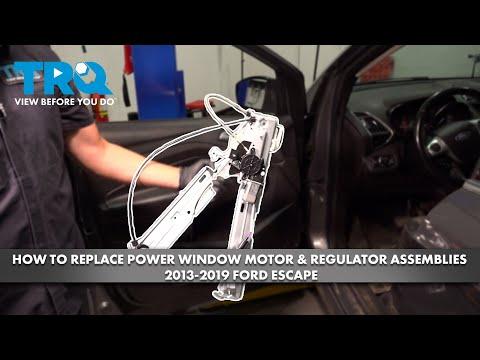





How to Replace Rear Window Regulators on a 2013-2019 Ford Escape
Step-by-step rear door window regulator and motor replacement with tools, parts list, safety tips, and testing instructions
How to Replace Rear Window Regulators on a 2013-2019 Ford Escape
Step-by-step rear door window regulator and motor replacement with tools, parts list, safety tips, and testing instructions for 2013, 2014, 2015, 2016, 2017, 2018, 2019


🔧 Escape - Rear Window Regulator Replacement
You’ll be removing the rear door trim panel, separating the glass from the regulator, then swapping the regulator and motor assembly in your Escape. This fixes slow, stuck, or noisy rear windows.
Difficulty Level: Intermediate | Estimated Time: 1.5–2.5 hours per side
⚠️ Safety & Precautions
- ⚠️ Disconnect the negative battery cable before unplugging window motor wiring to avoid accidental operation.
- ⚠️ Support the glass securely; if it drops inside the door it can shatter or pinch fingers.
- ⚠️ Work with the door fully open, on level ground, so it cannot close on you.
- ⚠️ Use plastic trim tools, not metal screwdrivers, on interior panels to avoid damage and airbag wiring cuts.
- ⚠️ Do not drill or damage the side-impact crash sensor or wiring inside the door.
🔧 Required Tools
You'll need the following tools for this repair:
- 🧰 Ratchet handle 3/8"
- 🧰 8mm socket
- 🧰 10mm socket
- 🧰 3/8" extension bar (3–6")
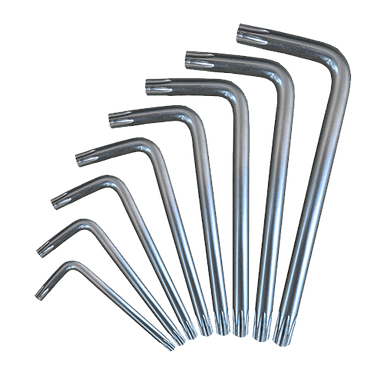
- 🧰 T20 Torx screwdriver
- 🧰 T25 Torx screwdriver
- 🧰 Phillips #2 screwdriver
- 🧰 Flat trim clip removal tool (plastic)
- 🧰 Plastic pry tool set
- 🧰 Needle-nose pliers
- 🧰 Panel clip pliers (specialty)
- 🧰 Torque wrench 3/8" drive (inch-lb range)
- 🧰 Masking tape 1"
- 🧰 Shop light or headlamp
- 🧰 Fender cover or towel
- 🧰 Mechanic’s gloves
- 🧰 Safety glasses
🔩 Required Parts
HowToo sells all the parts you need for this repair:
- 🔩 Rear left window regulator with motor assembly - Qty: 1 (if driver-side rear)
- 🔩 Rear right window regulator with motor assembly - Qty: 1 (if passenger-side rear)
- 🔩 Rear door vapor barrier butyl tape/sealing strip - Qty: 1 roll
- 🔩 Rear door trim panel clips - Qty: 10–15 (have spares)
- 🔩 Dielectric grease (electrical connector) - Qty: 1 small tube
- 🔩 Glass cleaner - Qty: 1
- 🔩 Shop towels - Qty: 1 pack
📋 Before You Begin
- Park the Escape on level ground, set the parking brake, and switch ignition OFF.
- Lower the affected rear window until it is about halfway down; this aligns the glass bolts with access holes later.
- Open the affected rear door fully and make sure it’s stable and will not swing closed.
- Disconnect the negative battery terminal using a 10mm socket, wrap it in a towel so it cannot touch the post.
- Lay a towel along the door sill to protect paint from tools and trim pieces.
🔨 Step-by-Step Instructions
Follow these steps in order:
Step 1: Remove rear door grab-handle and visible screws
- Use a plastic pry tool to gently pop off the small trim cover inside the door pull/armrest area; it hides a screw.
- Use a Phillips #2 screwdriver to remove the screw behind that cover and set it aside.
- Use the plastic pry tool to gently pop off any small trim cap near the interior door handle; remove the screw behind it with a T20 Torx screwdriver if present.
Step 2: Release the rear door trim panel
- Starting at the bottom edge of the door, slide a plastic pry tool between the trim panel and metal door.
- Twist the tool slightly to pop the first plastic clip free; you will hear a snap as it releases.
- Work your way around the sides and bottom using the panel clip pliers or trim tool to release all clips.
- Once all clips are loose, lift the trim panel straight upward to unhook it from the top window ledge.
- Lean the panel slightly away but do not yank; there are cables and connectors still attached.
Step 3: Disconnect wiring and door handle cable
- Support the panel with one hand or rest the bottom on a box or stool.
- Use your needle-nose pliers if needed to press the tabs on the power window switch connector, then unplug it by hand.
- Unplug any additional connectors (courtesy lamp, speaker on some trims) by hand; if tight, gently help the tab with a plastic pry tool.
- At the interior door handle area, rotate the plastic retainer and unhook the cable end from the handle using your fingers or needle-nose pliers.
- Set the door panel aside in a clean, safe spot.
Step 4: Remove vapor barrier and access the regulator
- The thin plastic sheet on the metal door is the vapor barrier; it keeps moisture out of the cabin.
- Use a plastic pry tool to slowly peel the vapor barrier away from the butyl (sticky) sealant around the perimeter.
- Do not tear it if you can avoid it; fold it upward and tape it out of the way using masking tape.
- If it tears badly, plan to reseal with fresh butyl tape.
Step 5: Secure the glass before loosening it
- Look through the large openings in the door to locate where the glass is clamped to the regulator (usually two clamps with bolts).
- From outside, close the door and apply two strips of masking tape from the glass over the top of the door frame down onto the outer door skin to hold the glass up.
- Re-open the door and double-check the tape is firm; this is your safety backup if the glass slips.
Step 6: Loosen the glass from the regulator
- Use an 8mm socket with ratchet to loosen (but do not remove) the two clamp bolts that hold the glass to the regulator sliders, accessed through the openings.
- Once loose, gently lift the glass upward by hand until it stops in the top of the frame.
- Add more masking tape across the top to fully secure the glass to the frame.
Step 7: Remove the old rear window regulator and motor
- Locate the window motor (round unit with connector) attached to the regulator tracks.
- Unplug the motor electrical connector by pressing the locking tab with your thumb or a plastic pry tool.
- Use a 10mm socket with ratchet and extension to remove the bolts or nuts securing the vertical regulator tracks and the motor to the door.
- Support the regulator as you remove the last fastener so it doesn’t fall inside the door.
- Carefully maneuver the regulator assembly out through the large lower opening in the door; rotate as needed.
Step 8: Prepare and install the new regulator assembly
- Compare the new regulator with the old one on a bench to verify the mounting points and motor orientation match.
- If the motor is separate, swap it over: use a T25 Torx screwdriver to remove the motor screws, move the motor to the new regulator, and reinstall screws snugly.
- Feed the new regulator assembly into the door cavity through the same opening as removal.
- Align the mounting holes, then start all regulator and motor bolts by hand with a 10mm socket so the regulator hangs in place.
- Use a 10mm socket and ratchet to tighten the regulator and motor bolts evenly. Torque to manufacturer spec if available and do not overtighten.
- Reconnect the motor connector and apply a tiny dab of dielectric grease to the terminals if available.
Step 9: Reattach the glass to the new regulator
- Remove the negative battery cable insulation briefly and reconnect the terminal using a 10mm socket just for this adjustment step.
- Turn the ignition ON (engine off) and use the rear window switch to slowly move the new regulator sliders until the clamp openings line up with the glass bottom edge.
- Turn ignition OFF and disconnect the negative battery terminal again with the 10mm socket.
- From inside the door, gently lower the glass by hand into the regulator clamps while a helper watches from outside if possible.
- Use an 8mm socket to tighten the glass clamp bolts evenly on both sides. Torque to manufacturer spec if available; they should be snug but not crushing the glass.
- Remove the masking tape from the glass and door frame.
Step 10: Test window operation (before reassembling door)
- Reconnect the window switch temporarily by plugging its connector back into the switch on the loose door panel or directly into the harness.
- Reconnect the negative battery terminal with a 10mm socket.
- Turn ignition ON and run the rear window up and down several times using the switch.
- Listen for grinding or binding and watch that the glass travels smoothly and seals at the top.
- If the glass tilts or binds, loosen the regulator bolts slightly with a 10mm socket, adjust position, then retighten and retest.
- Turn ignition OFF and disconnect the negative battery cable again with the 10mm socket before reassembly.
Step 11: Reinstall vapor barrier
- Peel off any loose old butyl sealant; apply fresh butyl tape around the edge of the door opening where the vapor barrier mounts.
- Reposition the vapor barrier carefully, lining up holes for bolts and wiring, then press it firmly into the butyl all around using your hands.
- Make sure there are no gaps; this prevents water leaks inside the cabin.
Step 12: Reinstall the rear door trim panel
- Reconnect all electrical connectors (window switch, courtesy light, speaker) by hand until they click.
- Reconnect the interior handle cable to the handle and lock its retainer in place.
- Hang the top of the door panel on the window ledge by setting the upper hooks into the door.
- Once aligned, hit around the edges of the panel with the heel of your hand to snap all the clips into the door. Replace any broken clips with new ones.
- Reinstall the screws removed earlier using the Phillips #2 screwdriver and T20 Torx screwdriver where applicable.
- Press the trim caps back into place by hand.
Step 13: Final battery connection and window reset
- Reconnect the negative battery terminal firmly using a 10mm socket. Torque to manufacturer spec if available.
- Turn ignition ON.
- On the affected rear window switch, hold the switch to fully raise the window and continue holding for about 2–3 seconds after it stops.
- Then hold the switch to fully lower the window and again hold for 2–3 seconds after it stops. This helps the one-touch feature relearn its limits.
✅ After Repair
- 🧪 Cycle the repaired rear window 5–10 times to confirm smooth travel and proper sealing at the top.
- 🧪 Drive at highway speed and listen near the repaired door for wind noise that could indicate a misaligned glass or loose vapor barrier.
- 🧪 Check the interior door panel for rattles by lightly tapping it; reseat any clips if needed.
- 🧪 After the first rain or car wash, check the rear footwell and lower door area for any signs of water intrusion.
💰 DIY vs Shop Cost
Shop Cost: $350–$550 per rear window (parts + labor)
DIY Cost: $120–$220 per rear window (parts only)
You Save: $230–$330 per window by doing it yourself!
Shop labor rates vary but typically run $100–$150/hour. This repair takes a shop approximately 1.0–1.5 hours per side.
🎯 Ready to get started?
HowToo makes it easy: same-day/2-day shipping on every part, plus all the tools and specialty tools you need! Check out the parts and tools sections above to add everything to your cart.
Guide for Window Motor and Regulator Assembly replace for these Ford vehicles
| Year Make Model | Sub Model | Engine | Body Style |
|---|---|---|---|
| 2019 Ford Escape | - | - | - |
| 2018 Ford Escape | - | - | - |
| 2017 Ford Escape | - | - | - |
| 2016 Ford Escape | - | - | - |
| 2015 Ford Escape | - | - | - |
| 2014 Ford Escape | - | - | - |
| 2013 Ford Escape | - | - | - |