














How to Replace Rear Window Regulator on a 2016 Ford Expedition (Both Rear Doors)
Step-by-step rear door window repair with tools list, parts, torque specs, and safety tips
How to Replace Rear Window Regulator on a 2016 Ford Expedition (Both Rear Doors)
Step-by-step rear door window repair with tools list, parts, torque specs, and safety tips


🔧 Expedition - Rear Window Regulator Replacement
The rear window regulator is the cable-and-track mechanism inside the rear door that raises and lowers the glass. When it fails, the window may move slowly, drop into the door, tilt, or stop working even though you hear the motor.
Difficulty Level: Intermediate | Estimated Time: 1.5-3.0 hours per door
Assumption: Rear regulator is bolt-in; if riveted, use the rivet steps below.
⚠️ Safety & Precautions
- ⚠️ Keep fingers clear of the scissor/cable mechanism; it can pinch hard.
- ⚠️ Support the window glass with tape before unbolting clamps; the glass can drop suddenly.
- ⚠️ Wear safety glasses when drilling rivets or working under the door panel.
- ⚠️ Battery disconnect is recommended if you’ll unplug multiple door connectors: use a 10mm wrench to remove the negative terminal.
🔧 Required Tools
You'll need the following tools for this repair:
- Safety glasses
- Mechanic gloves
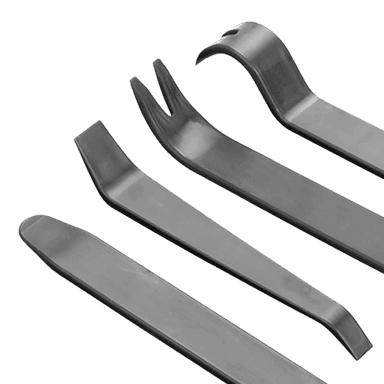
- Trim removal tool set
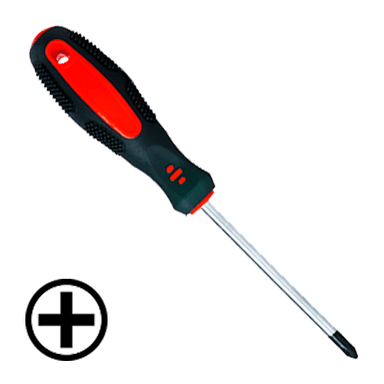
- Phillips screwdriver #2
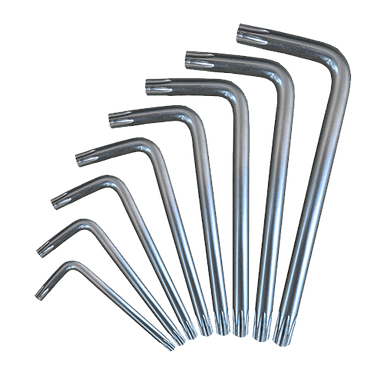
- Torx T20 driver
- Torx T27 driver
- 7mm socket
- 8mm socket
- 10mm socket
- 1/4" drive ratchet
- 3" extension (1/4" drive)
- Torque wrench (in-lb or Nm capable)
- Painter’s tape (1.5" wide)
- Pick tool
- Magnetic parts tray
- Drill
- 1/4" drill bit
- Heavy-duty rivet gun (specialty)
🔩 Required Parts
HowToo sells all the parts you need for this repair:
- Rear window regulator assembly - Qty: 1
- Rear window regulator motor - Qty: 1 (only if motor is bad)
- Door panel clip set - Qty: 1 (optional, common to break)
- Regulator mounting rivets/bolts kit - Qty: 1 (as equipped)
- Butyl tape (door water shield adhesive) - Qty: 1
📋 Before You Begin
- Park on level ground and set the parking brake.
- Lower the rear window to about halfway if it still moves (this lines up the glass clamps).
- If disconnecting the battery: use a 10mm wrench to remove the negative terminal and wait 2 minutes.
- Have a clean towel ready to protect the paint and door panel.
🔨 Step-by-Step Instructions
Follow these steps in order:
Step 1: Remove the rear door trim panel
- Use a trim removal tool set to pry off the small trim covers behind the handle/armrest (they hide screws).
- Remove the screws using a 7mm socket and/or Torx T20 driver (screw types vary by door trim).
- Use the trim removal tool set to pop the panel clips around the edges. Pull straight out to avoid breaking clips.
- Lift the panel straight up to unhook it from the window ledge.
- Unplug electrical connectors using a pick tool to release the lock tabs (a lock tab is a small plastic latch that must be lifted/pressed before the plug comes off).
Step 2: Remove the water shield (vapor barrier)
- Carefully peel back the plastic water shield using a trim removal tool set.
- If the sticky sealant stretches, use butyl tape later to reseal it. Don’t tear the plastic; it prevents leaks.
Step 3: Secure the glass
- Use painter’s tape (1.5" wide) to tape the glass to the door frame in 2–3 strips (outside of glass over the top of the door frame and back down).
- If the window is stuck down, raise it by hand while a helper holds it, then tape it in place.
Step 4: Disconnect the glass from the regulator
- Find the regulator-to-glass clamp bolts through the access holes in the door.
- Use an 8mm socket or 10mm socket (varies) with a 1/4" drive ratchet to loosen/remove the clamp bolts.
- Torque on reassembly: 8–10 Nm (71–89 in-lb)
- Once the glass is free, push the glass fully up and add more painter’s tape to hold it securely.
Step 5: Unplug and remove the regulator (and motor if attached)
- Unplug the window motor connector using a pick tool to release the lock.
- Remove regulator mounting fasteners:
- If bolted: use a 10mm socket with a 1/4" drive ratchet.
- If riveted: use a drill with a 1/4" drill bit to drill out the rivet heads, then push the rivet bodies through.
- Torque on reassembly (bolt-in style): 9–12 Nm (80–106 in-lb)
- Wiggle the regulator assembly out through the largest access opening in the door.
Step 6: Transfer the motor (if your new regulator doesn’t include one)
- Hold the motor firmly against the regulator housing while removing screws (the motor has internal spring force on some designs).
- Use a Torx T27 driver (common) to remove the motor screws.
- Torque on reassembly: 4–6 Nm (35–53 in-lb)
- Install the motor onto the new regulator and tighten evenly.
Step 7: Install the new regulator
- Slide the new regulator into the door and line up the mounting holes.
- If using bolts: install and tighten using a 10mm socket and torque wrench to 9–12 Nm (80–106 in-lb).
- If using rivets: install rivets using a heavy-duty rivet gun (specialty). (A rivet gun pulls a pin to clamp the rivet tight.)
- Plug in the motor connector and ensure the lock tab clicks.
Step 8: Reattach the glass to the regulator
- Remove some tape so the glass can drop carefully into the clamps.
- Align the glass in the clamps and install/tighten the clamp bolts using an 8mm socket or 10mm socket.
- Torque: 8–10 Nm (71–89 in-lb)
- Remove the remaining painter’s tape.
Step 9: Function test before reassembly
- Temporarily reconnect the window switch connector.
- Cycle the window up and down using the switch and watch that the glass stays straight in the run channels (the felt-lined guides).
- If it tilts or binds, loosen clamp bolts with an 8mm socket, align glass, then re-torque to 8–10 Nm (71–89 in-lb).
Step 10: Reinstall the water shield and door panel
- Press the water shield back onto the door. Add butyl tape anywhere the sealant no longer sticks.
- Reconnect all electrical connectors.
- Hang the door panel on the top edge first, then push the clips in around the perimeter by hand.
- Reinstall screws using a 7mm socket and/or Torx T20 driver.
✅ After Repair
- Cycle the rear window fully down and fully up 3 times to help it relearn its travel.
- Listen for popping/clicking; that usually means a clip isn’t seated or the glass is misaligned.
- Check for water leaks next time it rains or after a car wash (water shield must seal well).
💰 DIY vs Shop Cost
Shop Cost: $350-$750 (parts + labor)
DIY Cost: $90-$250 (parts only)
You Save: $260-$500 by doing it yourself!
Shop labor rates vary but typically run $100-$150/hour. This repair takes a shop approximately 1.5-3.0 hours.
🎯 Ready to get started?
HowToo makes it easy: same-day/2-day shipping on every part, plus all the tools and specialty tools you need! Check out the parts and tools sections below to add everything to your cart.