













How to Replace Rear Turn Signal Bulbs on a 2019 Ford Escape
Step-by-step DIY guide with tools, parts list, safety tips, and testing instructions
How to Replace Rear Turn Signal Bulbs on a 2019 Ford Escape
Step-by-step DIY guide with tools, parts list, safety tips, and testing instructions


🔧 Escape - Rear Turn Signal Bulb Replacement
You’ll remove the rear light assembly from the body, swap the turn signal bulb, then reinstall the light. This restores proper signaling and avoids a ticket or safety risk.
Difficulty Level: Beginner | Estimated Time: 20–40 minutes
⚠️ Safety & Precautions
- 🔸Turn the ignition off and remove the key before you start.
- 🔸Make sure the light switch is off so the bulbs are cool to touch.
- 🔸Work on a flat surface and keep the parking brake set.
- 🔸Do not pull hard on the wiring harness; it can be damaged easily.
🔧 Required Tools
You'll need the following tools for this repair:
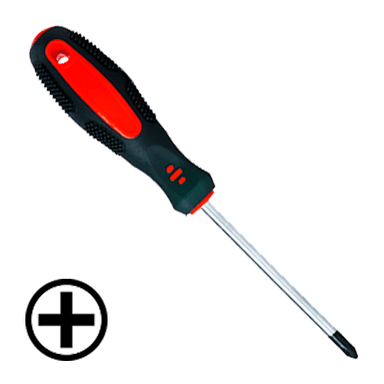
- 🔸Phillips #2 screwdriver
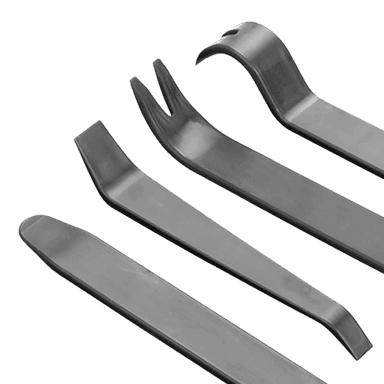
- 🔸Trim removal tool (plastic) (specialty)
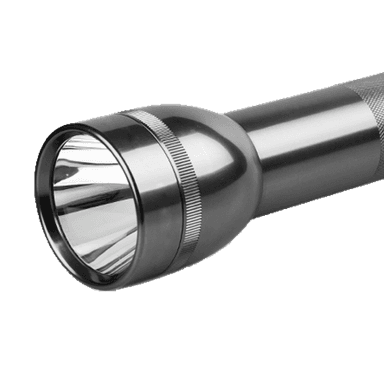
- 🔸Work light or flashlight
- 🔸Nitrile gloves
- 🔸Safety glasses
- 🔸Clean shop towel
🔩 Required Parts
HowToo sells all the parts you need for this repair:
- 🔸Rear turn signal bulb (amber, left side) - Qty: 1
- 🔸Rear turn signal bulb (amber, right side) - Qty: 1
- 🔸Dielectric grease for bulb sockets - Qty: 1 small tube
- 🔸Rear lamp mounting screw covers (if damaged) - Qty: up to 2
📋 Before You Begin
- 🔸Park your Escape on level ground, set the parking brake, and turn the ignition and lights off.
- 🔸Open the rear liftgate fully so you can access the side lamp screws.
- 🔸Put on safety glasses and gloves; bulbs can be sharp if broken.
- 🔸If you know one bulb is bad, it’s smart to replace both sides so they match in brightness and lifespan.
🔨 Step-by-Step Instructions
Follow these steps in order:
Step 1: Access the rear lamp screws
- 🔸Open the liftgate to expose the inner edges of the rear tail lights on each side.
- 🔸Look along the vertical inner edge of the tail light (next to the liftgate opening). You’ll see two small Phillips screws holding the lamp to the body.
- 🔸If there are any small plastic covers over the screws, gently pry them off using the trim removal tool (plastic) to avoid scratching the paint.
Step 2: Remove the rear lamp assembly
- 🔸Use the Phillips #2 screwdriver to remove the two visible screws along the inner edge of the tail light.
- 🔸Set the screws aside on a clean shop towel so you don’t lose them.
- 🔸With one hand on the outer edge of the lamp, gently pull the lamp straight rearward away from the vehicle. It’s held by alignment pins that can be snug.
- 🔸If it feels stuck, wiggle it gently while pulling straight back. Use the trim removal tool (plastic) to help at the inner edge if needed. Do not pry against painted surfaces.
- 🔸Once loose, support the lamp with one hand so it doesn’t hang by the wiring.
Step 3: Disconnect the lamp (if needed)
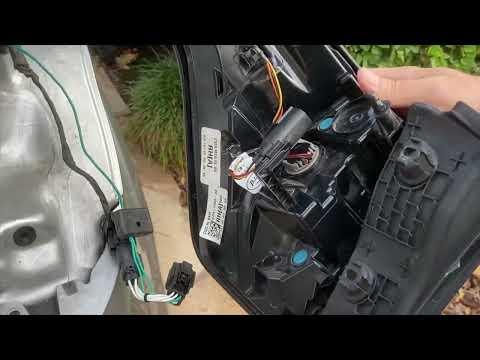
- 🔸On the back of the lamp, you will see several bulb sockets and possibly one main electrical connector.
- 🔸On many Escapes you can leave the wiring plugged in and just twist out the bulb socket; if the harness is tight, press the tab on the main connector with your fingers and unplug it so you can move the lamp to a safer spot.
- 🔸Place the lamp face-down on a soft clean shop towel to avoid scratching the lens.
Step 4: Locate and remove the turn signal bulb
- 🔸Look for the bulb socket that lines up with the amber section of the lens (usually the lower outer corner on the rear lamp).
- 🔸Grasp that socket and twist it counterclockwise about a quarter turn using your hand to unlock it, then pull it straight out of the lamp.
- 🔸Pull the old bulb straight out of the socket. If it’s tight, rock it gently side to side while pulling.
- 🔸If the bulb glass is broken, wear safety glasses and carefully remove pieces while keeping them away from your eyes and hands.
Step 5: Install the new bulb
- 🔸With your nitrile gloves on, take the new amber rear turn signal bulb.
- 🔸Apply a tiny dab of dielectric grease to the metal contacts on the bulb. This helps prevent corrosion and makes future removal easier.
- 🔸Push the new bulb straight into the socket until it is fully seated.
- 🔸Insert the bulb and socket back into the tail lamp opening, aligning the tabs on the socket with the slots in the lamp.
- 🔸Twist the socket clockwise about a quarter turn until it stops; it should feel snug and locked in place.
Step 6: Reconnect and test the turn signal
- 🔸If you unplugged the lamp, reconnect the main electrical connector by pushing it in until it clicks.
- 🔸Temporarily hold the lamp in position by hand (you don’t need to install the screws yet).
- 🔸Close the liftgate enough to reach the driver’s seat, turn the ignition to “ON,” and activate the left or right turn signal you just replaced.
- 🔸Walk to the rear and confirm the new bulb is flashing at normal speed and brightness.
- 🔸Turn the ignition and turn signals back off before final reassembly.
Step 7: Reinstall the rear lamp assembly
- 🔸Align the alignment pins on the outer side of the lamp with the holes in the body.
- 🔸Gently push the lamp straight forward into the body until it sits flush with the sheet metal and the liftgate edge. You should feel the pins snap into place.
- 🔸Using the Phillips #2 screwdriver, reinstall the two mounting screws by hand first to avoid cross-threading.
- 🔸Snug the screws with the screwdriver until they are firm, but do not overtighten or you can crack the plastic. Stop as soon as resistance increases.
- 🔸If your Escape has screw covers, press them back into place by hand.
Step 8: Repeat on the other side (recommended)
- 🔸Repeat Steps 1–7 on the opposite rear lamp to replace the other turn signal bulb.
- 🔸Replacing both sides keeps the flash color and brightness even.
✅ After Repair
- 🔸Turn the ignition on and test both left and right turn signals, including the hazard lights, to confirm all rear signals flash correctly.
- 🔸Check that the tail lights, brake lights, and reverse lights also work, since you moved the lamp assemblies.
- 🔸Step back 15–20 feet and verify both sides are equally bright and the lamps sit evenly in the body with no gaps.
- 🔸Listen for any “fast blinking” from the turn signal; if it blinks very quickly, a bulb may still be out or not seated correctly.
💰 DIY vs Shop Cost
Shop Cost: $90–$150 (parts + labor)
DIY Cost: $10–$25 (parts only)
You Save: $80–$125 by doing it yourself!
Shop labor rates vary but typically run $100–$150/hour. This repair takes a shop approximately 0.5–0.8 hours.
🎯 Ready to get started?
HowToo makes it easy: same-day/2-day shipping on every part, plus all the tools and specialty tools you need! Check out the parts and tools sections below to add everything to your cart.