













How to Replace Rear Turn Signal Bulbs on a 2016 Ford Transit Connect
Step-by-step tail lamp removal, bulb socket swap, tools list, parts, and safety tips for 2010, 2011, 2012, 2013, 2014, 2015, 2016, 2017, 2018, 2019, 2020, 2021, 2022, 2023
How to Replace Rear Turn Signal Bulbs on a 2016 Ford Transit Connect
Step-by-step tail lamp removal, bulb socket swap, tools list, parts, and safety tips for 2010, 2011, 2012, 2013, 2014, 2015, 2016, 2017, 2018, 2019, 2020, 2021, 2022, 2023


🔧 Transit Connect - Rear Turn Signal Bulb Replacement
You’ll remove the rear tail lamp assembly, twist out the turn-signal bulb socket, and swap the bulb. This is a quick job, but the lamp has alignment pins that can crack if you pry the wrong way.
Difficulty Level: Beginner | Estimated Time: 0.3-0.7 hours
⚠️ Safety & Precautions
- ⚠️ Turn the ignition OFF and switch all exterior lights OFF before starting.
- ⚠️ Wear gloves; bulbs can be hot if recently used.
- ⚠️ Pull the lamp straight back; don’t pry on the painted body.
- ⚠️ No battery disconnect is required for this bulb replacement.
🔧 Required Tools
You'll need the following tools for this repair:
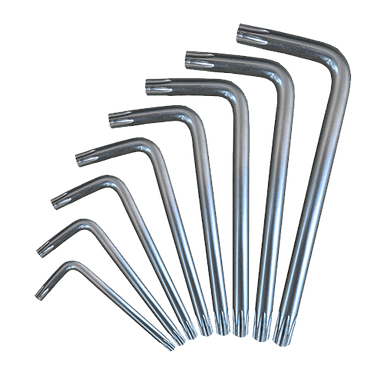
- Torx T25 screwdriver
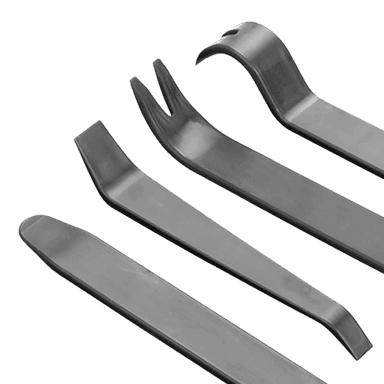
- Plastic trim removal tool
- Nitrile gloves
- Safety glasses
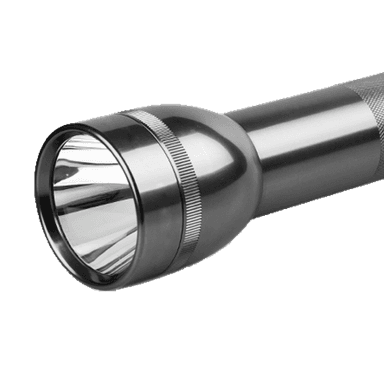
- Small flashlight
🔩 Required Parts
HowToo sells all the parts you need for this repair:
- Rear turn signal bulb - Qty: 1 Match bulb type to your lamp.
- Dielectric grease - Qty: 1 Optional, helps prevent corrosion.
📋 Before You Begin
- Park on level ground and set the parking brake.
- Open the rear liftgate (or the rear cargo doors, if equipped) to access the tail lamp screws.
- Have a clean glove or towel ready to handle the new bulb (keeps oils off the glass).
🔨 Step-by-Step Instructions
Follow these steps in order:
Step 1: Access the tail lamp fasteners
- Open the rear liftgate/door(s) and locate the two Torx screws on the inboard edge of the tail lamp.
- Use a small flashlight to clearly see both screw heads.
Step 2: Remove the tail lamp screws
- Use a Torx T25 screwdriver to remove the two tail lamp screws.
- Set the screws aside somewhere safe so they don’t fall into the bumper gap.
- Tip: Press the tool firmly to avoid stripping.
Step 3: Pull the tail lamp assembly straight back
- Grip the tail lamp housing with both hands.
- Pull the lamp straight rearward to release the alignment pins/clips.
- If it’s stuck, use a plastic trim removal tool to apply gentle, even pressure at the lamp’s edge (a trim tool is a plastic wedge used to separate panels without scratching paint).
- Do not twist the lamp; pull straight back.
Step 4: Remove the turn signal bulb socket
- Locate the turn signal socket on the back of the tail lamp (it will twist-lock into the housing).
- Use your hand (or nitrile gloves for grip) to rotate the socket about a quarter-turn counterclockwise, then pull it out.
Step 5: Replace the bulb
- Pull the old bulb straight out of the socket.
- Install the new bulb by pushing it straight into the socket until fully seated.
- If using it, apply a small smear of dielectric grease to the socket seal area only (dielectric grease is a non-conductive grease that helps keep moisture out).
Step 6: Reinstall the socket and refit the tail lamp
- Insert the socket back into the tail lamp and twist clockwise until it locks.
- Line up the lamp’s alignment pins with the body holes, then press the lamp straight forward until it seats flush.
- Reinstall the two screws using the Torx T25 screwdriver and tighten snug by hand (do not overtighten; the lamp housing can crack).
✅ After Repair
- Turn the ignition ON and test the rear turn signal on that side.
- Verify the lamp sits flush and doesn’t wiggle.
- If the bulb doesn’t light, remove the lamp again and re-seat the bulb and socket.
💰 DIY vs Shop Cost
Shop Cost: $60-$140 (parts + labor)
DIY Cost: $5-$25 (parts only)
You Save: $55-$115 by doing it yourself!
Shop labor rates vary but typically run $100-$150/hour. This repair takes a shop approximately 0.3-0.7 hours.
🎯 Ready to get started?
HowToo makes it easy: same-day/2-day shipping on every part, plus all the tools and specialty tools you need! Check out the parts and tools sections below to add everything to your cart.
Assumption: Your A4 has the standard rear lamp access via two Torx screws (common Transit Connect setup).