









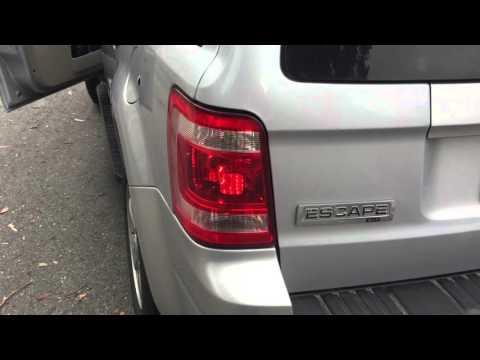





How to Replace Rear Turn Signal Bulb or LED Tail Light on a 2020 Ford Escape
Step-by-step DIY guide to remove the tail lamp, swap bulbs or LED assemblies, with tools, parts, safety tips, and cost savings
How to Replace Rear Turn Signal Bulb or LED Tail Light on a 2020 Ford Escape
Step-by-step DIY guide to remove the tail lamp, swap bulbs or LED assemblies, with tools, parts, safety tips, and cost savings


🔧 Escape - Rear Turn Signal Repair
On most 2020 SE models, the rear turn signal is an integrated LED inside the tail light, so you replace the whole tail light assembly rather than just a bulb. Some early builds and non‑US versions may still use a replaceable bulb in a socket.
I’ll show you both: how to remove the tail light, then what to do if yours is LED-only vs. has a replaceable bulb.
Difficulty Level: Beginner | Estimated Time: 30-60 minutes
⚠️ Safety & Precautions
- 🔹 Make sure the ignition is OFF and the key is out before you start.
- 🔹 Do not work with the lights switch ON; avoid short circuits.
- 🔹 Keep the transmission in Park and set the parking brake.
- 🔹 Rear lamps are plastic; do not pry with metal tools to avoid cracks.
- 🔹 Battery disconnect is not required for this job, but you may disconnect the negative terminal with a 10mm wrench if you feel safer.
🔧 Required Tools
You'll need the following tools for this repair:
- 🔹 Ratchet handle (1/4" drive)
- 🔹 Socket extension (3-6")
- 🔹 8mm socket
- 🔹 10mm socket
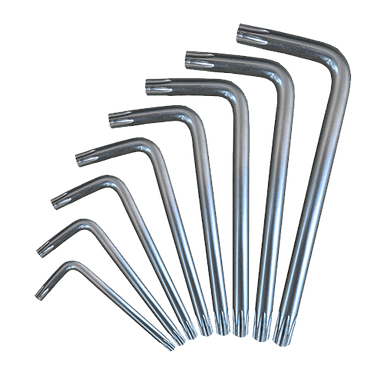
- 🔹 Torx T25 screwdriver
- 🔹 Plastic trim removal tool set (specialty) (plastic levers to pop trim without scratching)
- 🔹 Panel clip pliers (specialty) (pliers shaped to remove plastic push-clips)
- 🔹 Flat-blade screwdriver (small)
- 🔹 Work light or flashlight
- 🔹 Mechanic’s gloves
- 🔹 Safety glasses
🔩 Required Parts
HowToo sells all the parts you need for this repair:
- 🔹 Left rear tail light assembly (with integrated LED turn signal) - Qty: 1 (if left turn signal out and LED type)
- 🔹 Right rear tail light assembly (with integrated LED turn signal) - Qty: 1 (if right turn signal out and LED type)
- 🔹 Rear turn signal bulb (amber, 7440 or equivalent) - Qty: 1-2 (if your Escape uses replaceable bulbs – replace in pairs)
- 🔹 Tail lamp mounting nuts or screws - Qty: as needed (only if any are rusted or damaged)
- 🔹 Dielectric grease - Qty: small tube (for bulb contacts if using a socket type)
📋 Before You Begin
- Park the Escape on level ground, shift to Park, and set the parking brake.
- Turn the headlight/indicator switch OFF and remove the key.
- Open the rear liftgate to access the tail light fasteners.
- If you are nervous about electrical work, disconnect the negative battery terminal with a 10mm socket; you will lose radio presets temporarily.
🔨 Step-by-Step Instructions
Follow these steps in order:
Step 1: Access the rear tail light fasteners
- Open the liftgate fully so you can see the inner edge of the tail lights on each side.
- Use a Torx T25 screwdriver to remove the screws holding the inner side of the tail light (usually 1–2 screws per lamp on the inside edge by the liftgate).
- Place the screws in a safe container so they don’t get lost.
- Keep screws in order by side (left/right).
Step 2: Release the tail light from the body
- The outer edge of the tail light is held by plastic locating pins that push into the body.
- Place one hand on the outer edge of the tail light and one hand near the inner edge.
- Gently pull the tail light straight rearward. Rock it slightly left-right while pulling to release the pins.
- If it’s tight, insert a plastic trim removal tool between the lamp and body at the outer edge and gently pry while pulling with your hand.
- Do not pry with a metal screwdriver; it will crack plastic.
Step 3: Disconnect the electrical connector
- Support the lamp with one hand so it doesn’t hang by the wires.
- Locate the main electrical connector at the back of the tail light.
- Press the locking tab on the connector with your thumb or a small flat-blade screwdriver.
- While holding the tab, pull the connector straight out of the lamp.
- Set the lamp on a soft surface (towel or cardboard) to avoid scratches.
Step 4A: Check if your Escape has LED-only turn signals
- Look at the back of the lamp:
- If you only see sealed plastic with no removable bulb sockets, your turn signal is an integrated LED.
- If you see round twist-out bulb holders, you have replaceable bulbs.
- If you have LED-only: continue with Step 5A.
- If you have a replaceable bulb: skip to Step 5B.
Step 5A: Replace the LED tail light assembly (LED-only type)
- Compare your new lamp to the old one to confirm:
- Same shape and mounting points.
- Same connector style and pin layout.
- Plug the vehicle’s wiring connector into the new tail light until it clicks in place.
- Carefully guide the plastic locating pins on the lamp into the body holes, starting with the outer edge.
- Push the lamp straight forward into the body until it sits flush all around.
- Install the inner screws by hand, then tighten with the Torx T25 screwdriver until snug. No specific torque spec is published; do not overtighten.
Step 5B: Replace the rear turn signal bulb (socket type)
- Identify the turn signal bulb socket on the back of the lamp (usually the amber lens position or outermost bulb).
- Use your hand to rotate the socket about a quarter turn counterclockwise and pull it out of the lamp.
- Pull the old bulb straight out of the socket. If it’s tight, wiggle slightly while pulling.
- Apply a tiny dab of dielectric grease to the new bulb’s metal contacts to help prevent corrosion.
- Push the new bulb firmly into the socket until fully seated.
- Insert the socket back into the lamp and rotate it clockwise about a quarter turn until it locks.
- Do not touch glass of halogen bulbs with bare fingers.
Step 6: Reinstall the tail light (bulb type or LED type)
- If you disconnected it earlier, plug the electrical connector back into the lamp until it clicks.
- Align the plastic locating pins on the outer lamp edge with the holes in the body.
- Push the lamp straight forward into place so it sits flush with the body lines.
- Start the inner screws by hand to avoid cross-threading, then tighten them with the Torx T25 screwdriver until snug. No specific torque spec is published; just snug, not forced.
- Repeat the same procedure on the other side if you’re replacing that lamp or bulb as well.
Step 7: Reconnect battery (if disconnected) and test
- If you removed the negative battery cable, reinstall it on the terminal and tighten the nut with a 10mm socket until snug.
- Close the liftgate.
- Turn the ignition ON (engine can be off).
- Activate the left and right turn signals and hazard lights.
- Walk around the rear of the vehicle to confirm:
- Left and right turn signals flash at normal speed.
- No moisture or gaps are visible around the tail light.
✅ After Repair
- 🔹 Verify both rear turn signals and front turn signals flash at normal speed; fast flashing usually means a bulb or LED still out.
- 🔹 Check brake lights, tail lights, and reverse lights while you’re there to catch other bad bulbs early.
- 🔹 Make sure the tail light assemblies sit flush and don’t move if you press on them lightly.
- 🔹 If you disconnected the battery, reset your clock and radio presets.
💰 DIY vs Shop Cost
Shop Cost: $180-$320 (parts + labor, depending on LED assembly price)
DIY Cost: $25-$50 (bulb type) or $100-$200 (LED tail light assembly)
You Save: About $80-$150 by doing it yourself!
Shop labor rates vary but typically run $100-$150/hour. This repair takes a shop approximately 0.5-1.0 hours.
🎯 Ready to get started?
HowToo makes it easy: same-day/2-day shipping on every part, plus all the tools and specialty tools you need! Check out the parts and tools sections above to add everything to your cart.