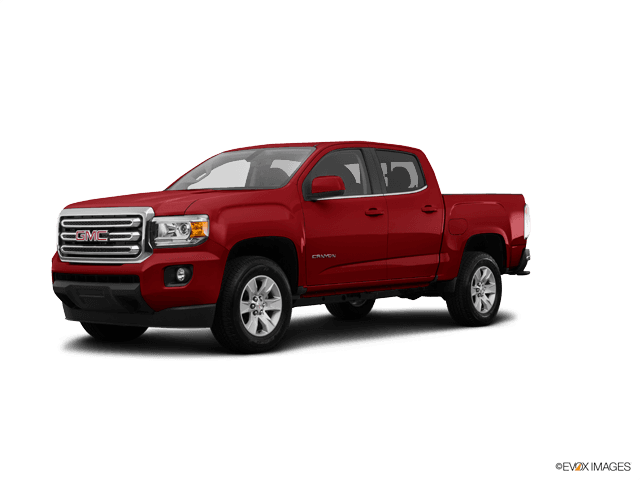









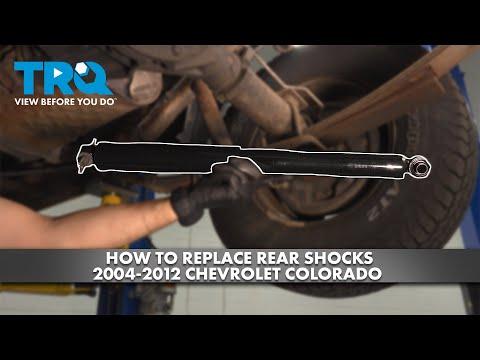






How to Replace Rear Shocks & Front Struts on a 2016 GMC Canyon (DIY Guide)
Step-by-step instructions with tools, parts, safety tips, lug nut torque (103 ft-lbs), and alignment notes
How to Replace Rear Shocks & Front Struts on a 2016 GMC Canyon (DIY Guide)
Step-by-step instructions with tools, parts, safety tips, lug nut torque (103 ft-lbs), and alignment notes


🔧 Canyon - Shock Absorber Replacement
On your Canyon, the rear uses separate shock absorbers, while the front uses a strut assembly (a shock with a coil spring around it). Replacing worn shocks/struts restores ride control, braking stability, and reduces bouncing.
Difficulty Level: Intermediate | Estimated Time: Rear: 1-2 hours | Front struts: 3-5 hours
Assumption: You’re replacing the rear shocks; front struts are included as an alternate path.
⚠️ Safety & Precautions
- 🛑 Support the truck with jack stands on the frame; never rely on a floor jack alone.
- 🛑 Chock the wheels with wheel chocks so it can’t roll.
- 🛑 If doing front struts: the coil spring is stored energy; use a spring compressor (a tool that compresses the spring safely) or install complete strut assemblies.
- 🛑 Wear safety glasses when removing rusty bolts.
- 🔌 Battery disconnect is not required for shock/strut replacement.
🔧 Required Tools
You'll need the following tools for this repair:
- Floor jack (rated 3-ton minimum)
- Jack stands (rated 3-ton minimum)
- Wheel chocks
- 22mm lug nut socket
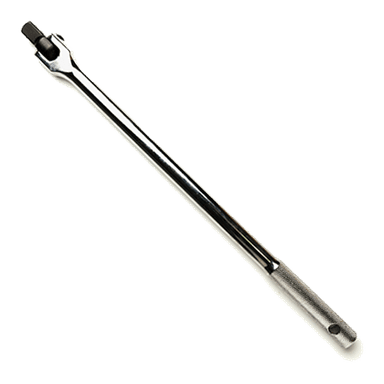
- 1/2" drive breaker bar
- 1/2" drive ratchet
- Socket set (13mm-24mm)
- Wrench set (13mm-24mm)
- Torque wrench (30-200 ft-lbs)
- Penetrating oil
- Pry bar
- Rubber mallet
- Needle-nose pliers
- Paint marker
- Spring compressor (specialty)
- Safety glasses
- Mechanic gloves
🔩 Required Parts
HowToo sells all the parts you need for this repair:
- Rear shock absorbers (replace in pairs) - Qty: 2
- Rear shock mounting hardware kit (recommended if rusty) - Qty: 1
- Front complete strut assemblies (only if replacing fronts; replace in pairs) - Qty: 2
- Front strut mounting hardware kit (recommended) - Qty: 1
📋 Before You Begin
- Park on level ground, shift to Park, and set the parking brake.
- Place wheel chocks at the front wheels if doing rear shocks (and at the rear wheels if doing front struts).
- Spray all shock/strut fasteners with penetrating oil and let it soak 10-15 minutes.
- If doing front struts, plan for an alignment afterward.
🔨 Step-by-Step Instructions
Follow these steps in order:
Step 1: Loosen the rear lug nuts
- Use a 22mm lug nut socket and breaker bar to loosen the rear wheel lug nuts 1/2 turn (do not remove yet).
Step 2: Lift and support the rear
- Use a floor jack to lift the rear at a safe lift point (rear differential center is commonly used for lifting).
- Set the truck down onto jack stands placed under the frame rails.
- Give the truck a gentle shake to confirm it’s stable.
Step 3: Remove the rear wheels
- Use the 22mm lug nut socket and ratchet to remove the lug nuts, then remove both rear wheels.
Step 4: Support the rear axle (helps bolt alignment)
- Place the floor jack lightly under the rear axle tube near the shock you’re working on.
- This prevents the axle from dropping and keeps bolts lined up.
Step 5: Remove the lower shock bolt
- Use the correct size socket and wrench (commonly 18mm-21mm) to remove the lower shock mounting bolt and nut.
- If the bolt is stuck, use a breaker bar and tap the bolt out with a rubber mallet.
Step 6: Remove the upper shock bolt(s)
- Use the correct size socket and ratchet to remove the upper shock fastener(s) at the frame mount.
- Remove the shock from the truck.
Step 7: Install the new rear shock
- Match the new shock to the old one (length and mounts). Use a paint marker to mark which side you’re doing, so parts don’t get mixed up.
- Install the shock into the upper mount first, then start the upper fastener(s) by hand.
- Line up the lower mount by raising/lowering the axle slightly with the floor jack, then slide in the lower bolt by hand.
- Tighten upper and lower fasteners using a torque wrench: Torque to GM factory specification for the rear shock upper and lower fasteners.
- Tip: Hand-start all bolts to avoid cross-threading.
Step 8: Repeat on the other side
- Repeat Steps 4-7 for the other rear shock.
Step 9: Reinstall wheels and lower the truck
- Reinstall both rear wheels and hand-tighten lug nuts using a 22mm lug nut socket.
- Raise slightly with the floor jack, remove jack stands, then lower to the ground.
- Use a torque wrench to tighten the lug nuts in a star pattern: Torque to 140 Nm (103 ft-lbs).
Step 10 (If replacing FRONT “shocks”): Front strut assembly overview
- Front “shocks” are struts. The safest DIY route is complete front strut assemblies (pre-assembled spring + strut + mount).
- Lift the front with a floor jack, support with jack stands, and remove wheels using a 22mm lug nut socket.
- Disconnect brackets/links from the strut using the appropriate sockets/wrenches (mark positions with a paint marker where applicable).
- Remove strut-to-knuckle bolts using a breaker bar, then remove the upper mount nuts under the hood using a ratchet.
- Install the new complete strut assembly and tighten all fasteners with a torque wrench: Torque to GM factory specification for all strut fasteners.
- If you are reusing the spring on the old strut, use a spring compressor (specialty) and follow its instructions exactly.
✅ After Repair
- ✅ Test bounce: push down on each corner; it should settle quickly, not keep bouncing.
- ✅ Road test at low speed first; listen for clunks (a clunk usually means a loose fastener or bracket).
- ✅ Recheck lug nut torque with a torque wrench after 50-100 miles: Torque to 140 Nm (103 ft-lbs).
- ✅ If you replaced front struts, schedule a wheel alignment.
💰 DIY vs Shop Cost
Shop Cost: $350-$900 (parts + labor, rear only vs front struts)
DIY Cost: $120-$500 (parts only, rear shocks vs complete front struts)
You Save: $230-$400+ by doing it yourself!
Shop labor rates vary but typically run $100-$150/hour. This repair takes a shop approximately 1-2 hours (rear) or 3-5 hours (front).
🎯 Ready to get started?
HowToo makes it easy: same-day/2-day shipping on every part, plus all the tools and specialty tools you need! Check out the parts and tools sections below to add everything to your cart.