









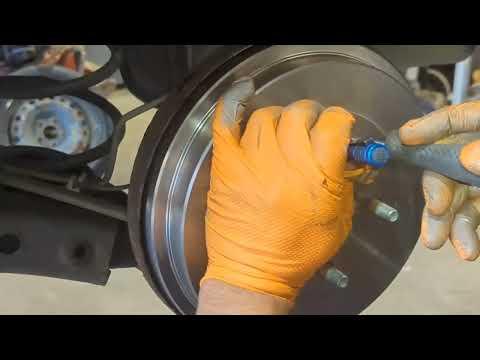







How to Replace Rear Drum Brakes on a 2013-2021 Nissan Sentra (Trim: S)
Step-by-step shoe, hardware, and drum replacement guide with tools, torque specs, and safety tips
How to Replace Rear Drum Brakes on a 2013-2021 Nissan Sentra (Trim: S)
Step-by-step shoe, hardware, and drum replacement guide with tools, torque specs, and safety tips for 2013, 2014, 2015, 2016


🔧 Rear Drum Brakes - Shoe Replacement
Your Sentra S does not use rear rotors. The rear brake setup is drum-style, so the service is rear brake shoes, hardware, and drum inspection/replacement if needed. This job is more involved than front brakes because the parking brake parts are inside the drum assembly.
Difficulty Level: Intermediate | Estimated Time: 2-4 hours
⚠️ Safety & Precautions
- Work on a level surface and chock the front wheels.
- Use jack stands; do not rely on the jack alone.
- Rear drum brake springs are under tension. Keep your hands clear when removing hardware.
- Brake dust can be harmful. Wear a dust mask and do not blow dust out with compressed air.
- If the parking brake is stuck or out of adjustment, release it fully before starting.
- No battery disconnect is required for this repair.
🔧 Required Tools
You'll need the following tools for this repair:
- Floor jack (rated 3-ton minimum)
- Jack stands (rated for vehicle weight)
- Wheel chocks
- 19mm lug wrench
- Ratchet
- 10mm socket
- 14mm socket
- Flat-blade screwdriver
- Brake spoon (specialty)
- Needle-nose pliers
- Brake spring tool (specialty)
- Torque wrench
- Bungee cord
- Safety glasses
- Nitrile gloves
- Brake cleaner
- Wire brush
🔩 Required Parts
HowToo sells all the parts you need for this repair:
- Rear brake shoe set - Qty: 1
- Rear brake hardware kit - Qty: 1
- Rear brake drums - Qty: 2
- Brake cleaner - Qty: 1
- High-temperature brake grease - Qty: 1
📋 Before You Begin
- Park on level ground.
- Put the transmission in gear and set the parking brake before lifting. Release the parking brake only after the car is safely on stands.
- Loosen the rear lug nuts slightly before lifting.
- If the drum is stuck, the parking brake may need to be fully backed off at the adjuster.
🔨 Step-by-Step Instructions
Follow these steps in order:
Step 1: Raise and support the rear of the car
- Use the floor jack to lift the rear of the car at the proper center lift point.
- Place jack stands under the rear support points and lower the car onto them.
- Remove both rear wheels with the 19mm lug wrench.
Step 2: Remove the brake drum
- Try pulling the drum straight off by hand.
- If it is stuck, use a flat-blade screwdriver through the access slot to back off the shoe adjuster.
- If needed, tap the drum gently with a rubber mallet until it loosens.
- Do not force it hard.
Step 3: Inspect the drum brake parts
- Use a wire brush and brake cleaner to clean the backing plate area.
- Check the shoes, springs, wheel cylinder, and adjuster for leaks, rust, or uneven wear.
- If the drum is deeply grooved, replace it.
Step 4: Remove the old brake shoes and hardware
- Use needle-nose pliers and a brake spring tool (specialty) to remove the return springs and hold-down hardware.
- Remove the adjuster assembly and parking brake lever from the old shoe set.
- Keep track of the spring and lever positions as you remove them.
- Take a photo before removing parts.
Step 5: Install the new brake shoes
- Transfer the parking brake lever to the new shoe if required.
- Apply a light coat of high-temperature brake grease to the shoe contact points on the backing plate.
- Install the new shoes using the same orientation as the originals.
- Reinstall the springs and hardware from the rear brake hardware kit with the brake spring tool (specialty).
Step 6: Reinstall and set the adjuster
- Install the adjuster assembly between the shoes using the needle-nose pliers.
- Make sure the adjuster is on the correct side for left and right.
- Set the adjuster close to the original length so the drum will slide on.
- Left and right sides are mirrored.
Step 7: Install the drum
- Slide the drum on by hand.
- If it will not fit, back off the adjuster slightly with the brake spoon (specialty).
- Once installed, rotate the drum by hand. It should turn with light drag.
Step 8: Repeat on the other side
- Repeat the same process on the other rear brake.
- Replace parts in pairs so braking stays even.
Step 9: Reinstall wheels and torque
- Install the wheels and hand-tighten the lug nuts.
- Lower the car and use the torque wrench to tighten the lug nuts to 108 Nm (80 ft-lbs).
✅ After Repair
- Press the brake pedal several times before moving the car.
- Check that the parking brake holds the car securely.
- Test drive slowly and listen for scraping or clicking.
- Recheck lug nut torque after the first drive.
- If the pedal feels low, the shoes may need adjustment.
💰 DIY vs Shop Cost
Shop Cost: $250-$500 (parts + labor)
DIY Cost: $90-$220 (parts only)
You Save: $160-$280 by doing it yourself!
Shop labor rates vary but typically run $100-$150/hour. This repair takes a shop approximately 2-4 hours.
🎯 Ready to get started?
HowToo makes it easy: same-day/2-day shipping on every part, plus all the tools and specialty tools you need! Check out the parts and tools sections below to add everything to your cart.