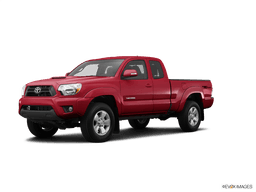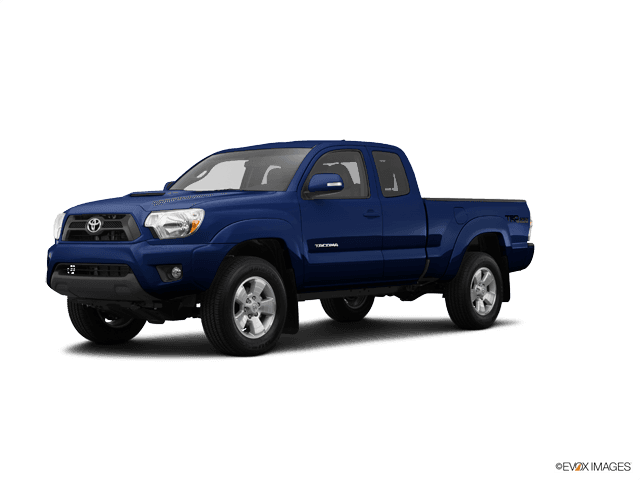









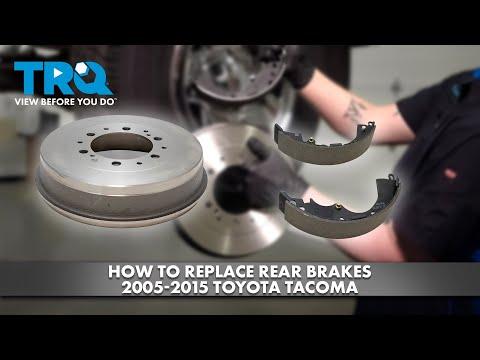







How to Replace Rear Drum Brake Shoes on a 2015 Toyota Tacoma (Step-by-Step)
Tools, parts, safety tips, drum removal, star-wheel adjustment, and lug nut torque specs for 2005, 2006, 2007, 2008, 2009, 2010, 2011, 2012, 2013, 2014, 2015
How to Replace Rear Drum Brake Shoes on a 2015 Toyota Tacoma (Step-by-Step)
Tools, parts, safety tips, drum removal, star-wheel adjustment, and lug nut torque specs for 2005, 2006, 2007, 2008, 2009, 2010, 2011, 2012, 2013, 2014, 2015


🔧 Tacoma - Rear Brake Shoe Replacement
On your Tacoma, the rear brakes are typically drum brakes, which use brake shoes (often called “pads” by mistake). Replacing them restores stopping power and keeps the parking brake working correctly.
Difficulty Level: Intermediate | Estimated Time: 2-4 hours
⚠️ Safety & Precautions
- 🛑 Support the truck with jack stands; never rely on a jack alone.
- 🛑 Release the parking brake before removing rear drums (the drums won’t come off if it’s set).
- 🛑 Avoid breathing brake dust; use brake cleaner and wear mask/eye protection.
- 🛑 Do not press the brake pedal while the drum is off.
- 🛑 Chock the front wheels so the truck can’t roll.
🔧 Required Tools
You'll need the following tools for this repair:
- Floor jack (rated 3-ton minimum)
- Jack stands (rated 3-ton minimum)
- Wheel chocks
- 21mm socket
- 1/2" breaker bar
- Torque wrench (20-150 ft-lbs range)
- Flat-blade screwdriver
- Needle-nose pliers
- Brake spring pliers (specialty)
- Drum brake hold-down spring tool (specialty)
- Brake adjusting spoon (specialty)
- Dead blow hammer
- Wire brush
- Brake cleaner spray
- Nitrile gloves
- Safety glasses
- Dust mask
🔩 Required Parts
HowToo sells all the parts you need for this repair:
- Rear brake shoe set (both sides) - Qty: 1
- Rear drum brake hardware kit (springs/hold-downs/adjuster parts) - Qty: 1
- Brake cleaner - Qty: 2
- High-temp brake grease - Qty: 1
- Rear brake drums - Qty: 2 If worn or out-of-round
📋 Before You Begin
- Park on level ground, shift to P, and turn the engine off.
- Chock both front wheels with wheel chocks.
- Make sure the parking brake is fully released.
- Loosen rear lug nuts 1/2 turn using a 21mm socket and breaker bar.
- Tip: Take a clear photo of each side first.
🔨 Step-by-Step Instructions
Follow these steps in order:
Step 1: Lift and secure the rear
- Lift the rear with a floor jack (rated 3-ton minimum).
- Set the frame on jack stands (rated 3-ton minimum).
- Remove the rear wheels using a 21mm socket.
Step 2: Remove the brake drum
- Pull the drum straight off by hand.
- If it’s stuck, tap around the drum hat using a dead blow hammer.
- If it still won’t come off, use a flat-blade screwdriver to remove the rubber plug on the backing plate (rear side), then use a brake adjusting spoon (specialty) to back off the star-wheel adjuster until the drum frees up.
- Brake adjusting spoon: a curved tool to turn the adjuster wheel.
Step 3: Clean and inspect
- Spray the assembly with brake cleaner spray and let it drip dry.
- Use a wire brush to lightly clean rust on the backing plate contact points.
- Check for wetness around the wheel cylinder (top). If it’s leaking, stop here—shoes will get ruined.
Step 4: Remove springs and hold-downs
- Remove the return springs using brake spring pliers (specialty).
- Brake spring pliers: grabs/removes heavy drum brake springs safely.
- Remove the shoe hold-down springs/pins using the drum brake hold-down spring tool (specialty).
- Hold-down tool: pushes and turns the cap to release the pin.
- Use needle-nose pliers as needed for small springs/clips.
Step 5: Remove shoes and transfer parts
- Lift the shoes away as an assembly (be gentle—parts can fall out).
- Remove the adjuster mechanism and note its orientation.
- If equipped, transfer the parking brake lever from the old shoe to the new shoe (use needle-nose pliers to remove the retaining clip carefully).
- Tip: Do one side at a time to match parts.
Step 6: Install new shoes and hardware
- Apply a very thin film of high-temp brake grease to the backing plate “pads” where the shoes rub (do not get any on the lining).
- Position the new shoes in place and install the hold-down pins/springs using the drum brake hold-down spring tool (specialty).
- Reinstall the adjuster and all springs using brake spring pliers (specialty) and needle-nose pliers.
- Verify the adjuster spins freely and sits correctly.
Step 7: Adjust shoes and reinstall the drum
- Install the drum by hand.
- If the drum slides on too easily and spins with no drag, remove the rubber plug and turn the adjuster with the brake adjusting spoon (specialty) until you feel a light, even drag while spinning the drum by hand.
- Reinstall the rubber access plug using a flat-blade screwdriver.
Step 8: Reinstall wheels and torque lug nuts
- Reinstall the wheels using a 21mm socket.
- Lower the truck using a floor jack (rated 3-ton minimum).
- Tighten lug nuts in a star pattern with a torque wrench (20-150 ft-lbs range): Torque to 113 Nm (83 ft-lbs).
✅ After Repair
- Press the brake pedal slowly 10-15 times to seat the shoes before driving.
- Apply and release the parking brake several times, then re-check shoe drag (minor readjustment may be needed).
- Do a slow test drive and verify no pulling, grinding, or abnormal noise.
- Tip: Avoid hard stops for the first 100 miles.
💰 DIY vs Shop Cost
Shop Cost: $300-$550 (parts + labor)
DIY Cost: $70-$180 (parts only)
You Save: $220-$370 by doing it yourself!
Shop labor rates vary but typically run $100-$150/hour. This repair takes a shop approximately 2-4 hours.
🎯 Ready to get started?
HowToo makes it easy: same-day/2-day shipping on every part, plus all the tools and specialty tools you need! Check out the parts and tools sections below to add everything to your cart.
Quick check (so I don’t steer you wrong): When you look behind the rear wheel, do you see a closed “drum” housing (drum brakes) or a visible rotor and caliper (disc brakes)? If yours are rear discs, tell me and I’ll give you the exact rear pad steps for that setup.