














How to Replace Rear Brakes and Rotors on a 2015-2020 Ford F-150
Step-by-step rear brake pad and rotor replacement with tools, torque specs, and safety tips
How to Replace Rear Brakes and Rotors on a 2015-2020 Ford F-150
Step-by-step rear brake pad and rotor replacement with tools, torque specs, and safety tips for 2015, 2016, 2017, 2018, 2019, 2020


🔧 Rear Brakes and Rotors - Replacement
Your rear brake pads and rotors wear together, so replacing both at the same time gives you smooth braking and helps prevent noise and vibration. On your F-150, this is a straightforward rear disc brake job, but the caliper and bracket are heavy, so stay organized and support parts as you remove them.
Difficulty Level: Intermediate | Estimated Time: 2-4 hours
⚠️ Safety & Precautions
- Work on level ground and chock the front wheels before lifting the rear.
- Use jack stands. Never rely on the floor jack alone.
- Do not press the brake pedal with a caliper removed.
- Support the caliper with wire or a hook so the brake hose is not stretched.
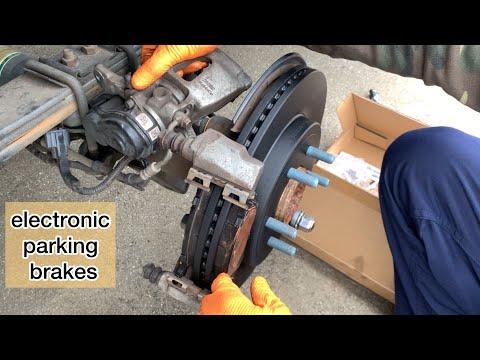
- If your truck has an electronic parking brake retrofit or aftermarket system, put it in service mode first. Most 2015 F-150 rear brakes use a manual parking brake, so no battery disconnect is normally required.
- Brake dust may be present. Wear a mask and do not blow it off with compressed air.
🔧 Required Tools
You'll need the following tools for this repair:
- Floor jack (rated 3-ton minimum)
- Jack stands (rated for truck weight)
- Wheel chocks
- 21mm socket
- 18mm socket
- 13mm socket
- Ratchet
- Breaker bar
- Torque wrench
- Brake caliper compression tool (specialty)
- Bungee cord or mechanic's hook
- Flat blade screwdriver
- Wire brush
- Brake cleaner
- Safety glasses
- Nitrile gloves
🔩 Required Parts
HowToo sells all the parts you need for this repair:
- Rear brake pad set - Qty: 1
- Rear brake rotors - Qty: 2
- Brake hardware kit - Qty: 1
- Brake cleaner - Qty: 1
📋 Before You Begin
- Park on a level surface and set the parking brake.
- Loosen the rear wheel lug nuts slightly before lifting.
- Release the parking brake before removing the rear calipers.
- If the brake pedal is soft after service, stop and recheck the install before driving.
🔨 Step-by-Step Instructions
Follow these steps in order:
Step 1: Lift and secure the rear of the truck
- Use a floor jack to lift the rear axle or rear frame safely.
- Place jack stands under the truck and lower it onto the stands.
- Put wheel chocks at the front tires.
Step 2: Remove the rear wheels
- Use a 21mm socket and breaker bar to remove the lug nuts.
- Remove both rear wheels and set them aside.
- Keep lug nuts together so none go missing.
- Torque to 204 Nm (150 ft-lbs) during reassembly.
Step 3: Remove the caliper
- Use a 13mm socket to remove the rear caliper slide pin bolts.
- Lift the caliper off the bracket and support it with a bungee cord or mechanic's hook.
- Do not let the caliper hang by the hose.
- Torque to 35 Nm (26 ft-lbs) on reassembly.
Step 4: Remove the brake pads and hardware
- Slide the old pads out of the bracket.
- Remove the stainless hardware clips from the bracket.
- Use a wire brush to clean rust from the pad lands.
- Use brake cleaner to clean the bracket area.
Step 5: Remove the caliper bracket
- Use an 18mm socket to remove the caliper bracket bolts.
- Remove the bracket from the axle flange.
- Torque to 125 Nm (92 ft-lbs) on reassembly.
Step 6: Remove the rotor
- If the rotor is stuck, use a flat blade screwdriver to back off the parking brake adjustment through the access hole if needed.
- Pull the rotor straight off the hub.
- If it will not move, tap the hat area lightly and clean the hub with a wire brush.
- Rust on the hub is the usual cause.
Step 7: Install the new rotor
- Clean the new rotor with brake cleaner before installation.
- Slide the rotor onto the hub.
- If equipped, install the rotor retaining screw and snug it gently with the correct driver.
Step 8: Reinstall the caliper bracket
- Position the bracket over the new rotor.
- Use an 18mm socket to install and tighten the bracket bolts.
- Torque to 125 Nm (92 ft-lbs).
Step 9: Install new pads and hardware
- Install the new hardware clips from the brake hardware kit.
- Apply a thin film of brake grease to the pad contact points if included with your kit.
- Install the new pads into the bracket.
Step 10: Compress the caliper piston and reinstall the caliper
- Use a brake caliper compression tool to push the piston back in slowly and evenly.
- Make sure the piston boots stay straight and do not twist.
- Set the caliper back over the new pads and install the slide pins with a 13mm socket.
- Torque to 35 Nm (26 ft-lbs).
Step 11: Reinstall the wheels
- Put the wheels back on and thread the lug nuts by hand first.
- Lower the truck slightly so the tires touch the ground and finish tightening with a 21mm socket and torque wrench.
- Torque to 204 Nm (150 ft-lbs).
Step 12: Pump the brake pedal and set the parking brake
- Before moving the truck, pump the brake pedal several times until it feels firm.
- Apply and release the parking brake a few times.
- Check that the rear wheels spin freely when the parking brake is released.
✅ After Repair
- Check brake fluid level in the reservoir.
- Test the brakes at low speed in a safe area first.
- Listen for rubbing, clicking, or grinding.
- New pads and rotors need a short break-in period. Use gentle stops for the first 200 miles.
- If the brake pedal sinks or the truck pulls, stop and inspect the work.
💰 DIY vs Shop Cost
Shop Cost: $650-$1,050 (parts + labor)
DIY Cost: $220-$420 (parts only)
You Save: $430-$630 by doing it yourself!
Shop labor rates vary but typically run $100-$150/hour. This repair takes a shop approximately 2-4 hours.
🎯 Ready to get started?
HowToo makes it easy: same-day/2-day shipping on every part, plus all the tools and specialty tools you need! Check out the parts and tools sections below to add everything to your cart.
Guide for Disc Brake Pad Set replace for these Ford vehicles
| Year Make Model | Sub Model | Engine | Body Style |
|---|---|---|---|
| 2020 Ford F-150 | - | - | - |
| 2019 Ford F-150 | - | - | - |
| 2018 Ford F-150 | - | - | - |
| 2017 Ford F-150 | - | - | - |
| 2016 Ford F-150 | - | - | - |
| 2015 Ford F-150 | - | - | - |