














How to Replace Rear Brake Shoes on a 2014-2018 Toyota Yaris (Trim: L)
Step-by-step instructions with tools, parts, safety tips, and torque specs
How to Replace Rear Brake Shoes on a 2014-2018 Toyota Yaris (Trim: L)
Step-by-step instructions with tools, parts, safety tips, and torque specs for 2014, 2015, 2016, 2017, 2018


🔧 Rear Brake Shoes - Replacement
Assumption: Your Yaris L hatchback uses rear drum brakes, so there are no rear brake pads to replace. The rear friction parts are brake shoes instead. This procedure covers that service.
Replacing the rear shoes restores braking performance and prevents drum scoring, noise, and weak parking brake action. Work one side at a time so you can use the other side as a reference.
Difficulty Level: Intermediate | Estimated Time: 2-4 hours
⚠️ Safety & Precautions
- Support the car with jack stands; never rely on a floor jack alone.
- Do not breathe brake dust. Use brake cleaner, not compressed air.
- Rear drums can be stuck from rust. Pull them straight off; do not force them sideways.
- Keep the parking brake fully released before removing the drum.
- No battery disconnect is required for this repair.
🔧 Required Tools
You'll need the following tools for this repair:
- Floor jack (rated 3-ton minimum)
- Jack stands
- Wheel chocks
- 21mm lug wrench
- Brake spoon / drum adjuster tool (specialty)
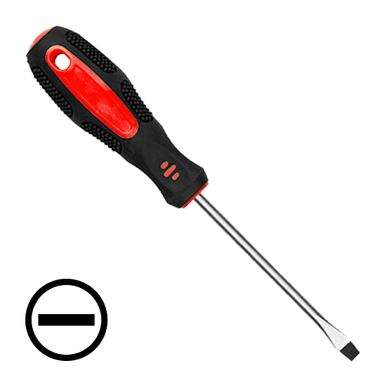
- Flat-blade screwdriver
- Needle-nose pliers
- Brake spring pliers (specialty)
- Torque wrench
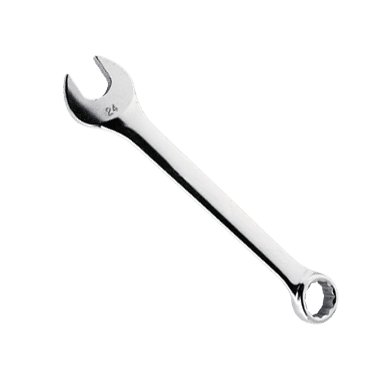
- 10mm wrench
- Brake cleaner
- Safety glasses
- Nitrile gloves
🔩 Required Parts
HowToo sells all the parts you need for this repair:
- Rear brake shoe set - Qty: 1 set
- Rear brake hardware kit - Qty: 1 set
- Brake cleaner - Qty: 1 can
- High-temperature brake grease - Qty: 1 tube
📋 Before You Begin
- Park on level ground and set the parking brake.
- Loosen the rear wheel lug nuts before lifting the vehicle.
- Chock the front wheels.
- Release the parking brake fully before removing the drums.
🔨 Step-by-Step Instructions
Follow these steps in order:
Step 1: Raise and secure the rear of the car
- Use a floor jack to lift the rear of the car at the rear lift point.
- Place jack stands under the rear support points and lower the car onto them.
- Keep the front wheels blocked with wheel chocks.
Step 2: Remove the rear wheels
- Use a 21mm lug wrench to remove the lug nuts.
- Take off the rear wheels and set them aside.
Step 3: Remove the brake drums
- Use a flat-blade screwdriver and brake spoon / drum adjuster tool to back off the adjuster if the drum will not slide off.
- Pull the drum straight outward.
- Tap lightly if rust is holding it.
Step 4: Inspect and photograph the layout
- Use a phone camera to take a clear picture of the spring and lever layout.
- This makes reassembly much easier.
Step 5: Remove the shoe hardware
- Use needle-nose pliers and brake spring pliers to remove the return springs.
- Remove the hold-down pins and springs with the same tools.
- Remove the adjuster assembly and parking brake lever connection.
Step 6: Remove the old brake shoes
- Lift the shoes off the backing plate.
- Keep track of the parking brake lever and adjuster parts.
- Do not force the wheel cylinder boots or damage the rubber seals.
Step 7: Clean and inspect the backing plate
- Use brake cleaner to clean the backing plate and nearby parts.
- Check the wheel cylinder for leaks.
- Lightly apply high-temperature brake grease to the shoe contact pads on the backing plate.
- Use a very thin layer only.
Step 8: Install the new brake shoes and hardware
- Use needle-nose pliers and brake spring pliers to install the new shoes in the same position as the old ones.
- Transfer the parking brake lever to the new shoe if needed.
- Install the new springs and hold-down hardware from the rear brake hardware kit.
- Reinstall the adjuster assembly in the same orientation as removed.
Step 9: Adjust the shoes
- Use a brake spoon / drum adjuster tool to expand the shoes slightly.
- The drum should slide on with light resistance.
- If the drum will not fit, back the adjuster off a little.
Step 10: Reinstall the drum and wheel
- Slide the drum back on.
- Install the wheel and hand-start the lug nuts.
- Lower the car with the floor jack.
- Use a torque wrench to tighten the lug nuts to 103 Nm (76 ft-lbs).
Step 11: Repeat on the other side
- Replace the shoes on the opposite rear wheel the same way.
- Replace brake shoes in pairs for even braking.
✅ After Repair
- Pump the brake pedal several times until it feels firm.
- Test the parking brake on level ground.
- Do a slow test drive and confirm the rear brakes are quiet and even.
- Recheck lug nut torque after the test drive.
💰 DIY vs Shop Cost
Shop Cost: $250-$450 (parts + labor)
DIY Cost: $60-$140 (parts only)
You Save: $190-$310 by doing it yourself!
Shop labor rates vary but typically run $100-$150/hour. This repair takes a shop approximately 2-4 hours.
🎯 Ready to get started?
HowToo makes it easy: same-day/2-day shipping on every part, plus all the tools and specialty tools you need! Check out the parts and tools sections below to add everything to your cart.