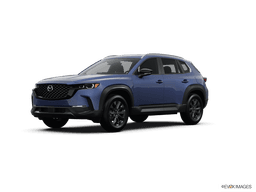









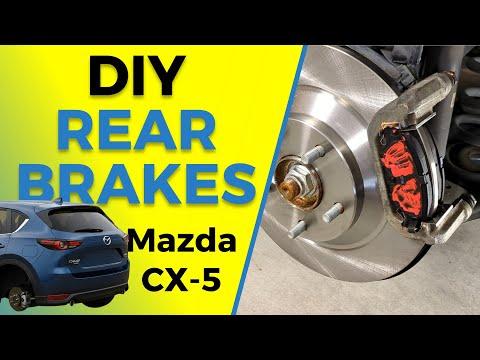







How to Replace Rear Brake Pads & Rotors on a 2023-2025 Mazda CX-50 (EPB Service Mode)
Step-by-step DIY guide with required tools/parts, safety tips, EPB maintenance mode steps, and torque specs
How to Replace Rear Brake Pads & Rotors on a 2023-2025 Mazda CX-50 (EPB Service Mode)
Step-by-step DIY guide with required tools/parts, safety tips, EPB maintenance mode steps, and torque specs for 2023, 2024, 2025


🔧 CX-50 - Rear Brake Pads & Rotor Replacement
Replacing the rear brake pads and rotors means removing the rear wheels, retracting the rear caliper pistons, swapping the pads/rotor, then reassembling and verifying safe brake operation. On your CX-50, the rear brakes may use an electronic parking brake (EPB), which changes how you retract the rear calipers.
Difficulty Level: Intermediate | Estimated Time: 2.0-3.5 hours
⚠️ Safety & Precautions
- ⚠️ Support the CX-50 with jack stands—never rely on a floor jack alone.
- ⚠️ Brake dust is harmful—wear a dust mask and use brake cleaner, not compressed air.
- ⚠️ If equipped with EPB, do not force the rear pistons in without putting the EPB in service/maintenance mode (or using a scan tool). You can damage the actuator.
- ⚠️ Let brakes cool fully—rotors can be extremely hot.
🔧 Required Tools
You'll need the following tools for this repair:
- Floor jack (rated 3-ton minimum)
- Jack stands (rated 3-ton minimum)
- Wheel chocks
- Lug wrench or 21mm socket
- 3/8" drive ratchet
- 1/2" drive breaker bar
- Torque wrench (20–200 ft-lbs range)
- Socket set (10mm–21mm)
- Wrench set (10mm–21mm)
- Hex key socket set (5mm–8mm)
- Flathead screwdriver
- C-clamp brake piston compressor
- Brake caliper hanger hook
- Wire brush
- Brake cleaner spray
- Small bungee cord
- Nitrile gloves
- Safety glasses
- Dust mask
- OBD scan tool with EPB service mode (specialty)
🔩 Required Parts
HowToo sells all the parts you need for this repair:
- Rear brake pad set - Qty: 1
- Rear brake rotors - Replace in pairs - Qty: 2
- Rear pad hardware/clip kit - Qty: 1
- Brake caliper slide pin grease (silicone) - Qty: 1
- Brake anti-seize compound - Qty: 1
- Brake cleaner - Qty: 2 cans
📋 Before You Begin
- Park on level ground, turn the car OFF, and place wheel chocks in front of the front tires.
- Confirm whether your CX-50 has EPB (electronic parking brake). It’s the switch-style parking brake button on the center console.
- If equipped with EPB, plan to put the EPB into service/maintenance mode using either the vehicle procedure or a scan tool.
- Loosen rear lug nuts slightly before lifting the vehicle.
🔨 Step-by-Step Instructions
Follow these steps in order:
Step 1: Confirm EPB setup (important)
- Look at the center console: if you have a button-style parking brake, you have EPB.
- If EPB-equipped, use an OBD scan tool with EPB service mode (specialty) to command Rear EPB > Maintenance/Service Mode.
- EPB service mode retracts the parking brake motors.
Step 2: Lift the rear and remove wheels
- Use a lug wrench or 21mm socket to loosen rear lug nuts 1/2 turn.
- Use a floor jack (rated 3-ton minimum) to lift the rear at the proper rear jacking point, then support with jack stands (rated 3-ton minimum).
- Remove lug nuts with the 21mm socket and remove both rear wheels.
Step 3: Remove the rear caliper (do not stretch the hose)
- Turn the steering wheel is not needed for rear; position yourself for access.
- Remove the caliper slide pin bolts using the correct socket set (10mm–21mm) or hex key socket set (5mm–8mm) (Mazda rear calipers commonly use slide-pin bolts; match the tool to the bolt head).
- Lift the caliper off the bracket and support it with a brake caliper hanger hook or small bungee cord.
- Never let the caliper hang by the hose.
Step 4: Remove old pads and inspect hardware
- Remove brake pads from the bracket by hand or gently pry with a flathead screwdriver.
- Remove pad clips/hardware from the bracket using the flathead screwdriver.
- Clean the bracket pad lands (where clips sit) with a wire brush and brake cleaner spray.
Step 5: Remove the caliper bracket
- Remove the caliper bracket bolts using a 1/2" drive breaker bar and appropriate socket set (10mm–21mm).
- Torque to Mazda specification during reassembly using a torque wrench (20–200 ft-lbs range) (I’ll provide exact torque once you confirm EPB/rotor size variant below).
Step 6: Remove the rotor
- Pull the rotor straight off the hub.
- If stuck from rust, spray the hub/rotor center with brake cleaner spray, then tap the rotor hat evenly with a rubber mallet (if you have one). If you don’t, rock the rotor by hand while pulling.
- Clean the hub face with a wire brush so the new rotor sits flat.
- Apply a very thin film of brake anti-seize compound to the hub center (not the wheel studs).
Step 7: Install the new rotor
- Clean the new rotor friction surfaces with brake cleaner spray to remove packing oil.
- Install the rotor onto the hub.
Step 8: Reinstall bracket and hardware
- Reinstall the caliper bracket using the correct socket set (10mm–21mm).
- Tighten bracket bolts with a torque wrench (20–200 ft-lbs range) to the correct Mazda spec (pending confirmation below).
- Install new pad clips/hardware from the rear pad hardware/clip kit.
Step 9: Compress the rear caliper piston
- Remove the brake fluid reservoir cap under the hood (set it on top loosely).
- Use a C-clamp brake piston compressor to slowly push the caliper piston back into the caliper.
- Watch the reservoir—if it looks like it will overflow, remove a little fluid (do not spill on paint).
- Go slow; fast compression can damage seals.
Step 10: Install new pads and refit caliper
- Apply a thin layer of brake caliper slide pin grease (silicone) to the slide pins (remove pins with the appropriate wrench set (10mm–21mm) if needed).
- Install the new pads into the bracket.
- Reinstall the caliper over the pads and install the slide pin bolts using the correct socket set (10mm–21mm) or hex key socket set (5mm–8mm).
- Tighten slide pin bolts with a torque wrench (20–200 ft-lbs range) to the correct Mazda spec (pending confirmation below).
Step 11: Reinstall wheels
- Reinstall wheels and hand-thread lug nuts.
- Lower the CX-50 with the floor jack (rated 3-ton minimum).
- Tighten lug nuts in a star pattern with a torque wrench (20–200 ft-lbs range) to the correct Mazda spec (pending confirmation below).
Step 12: Exit EPB service mode (if used)
- Use the OBD scan tool with EPB service mode (specialty) to command Rear EPB > End Maintenance/Service Mode.
- Cycle ignition OFF then ON.
✅ After Repair
- With the car still parked, press the brake pedal slowly 10–15 times until it feels firm (this seats the pads).
- Check brake fluid level and reinstall the reservoir cap.
- Test the parking brake function in your driveway at very low speed.
- Do a careful road test: start with gentle stops, then moderate stops.
- If you installed new pads/rotors, follow a bedding process (several medium stops) to reduce squeal and improve bite.
💰 DIY vs Shop Cost
Shop Cost: $450-$850 (parts + labor)
DIY Cost: $160-$380 (parts only)
You Save: $290-$470 by doing it yourself!
Shop labor rates vary but typically run $100-$150/hour. This repair takes a shop approximately 2-3 hours.
🎯 Ready to get started?
Quick check so I can give you the exact Mazda torque specs and the correct EPB method:
- 🔎 Does your CX-50 have a button-style electronic parking brake (EPB)?
- 🔎 Are you replacing pads and rotors on both rear wheels (left + right)?
HowToo makes it easy: same-day/2-day shipping on every part, plus all the tools and specialty tools you need! Check out the parts and tools sections below to add everything to your cart.
Guide for Disc Brake Pad Set replace for these Mazda vehicles
| Year Make Model | Sub Model | Engine | Body Style |
|---|---|---|---|
| 2025 Mazda CX-50 | - | - | - |
| 2024 Mazda CX-50 | - | - | - |
| 2023 Mazda CX-50 | - | - | - |