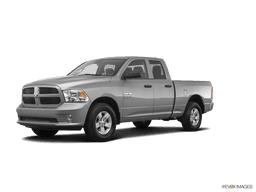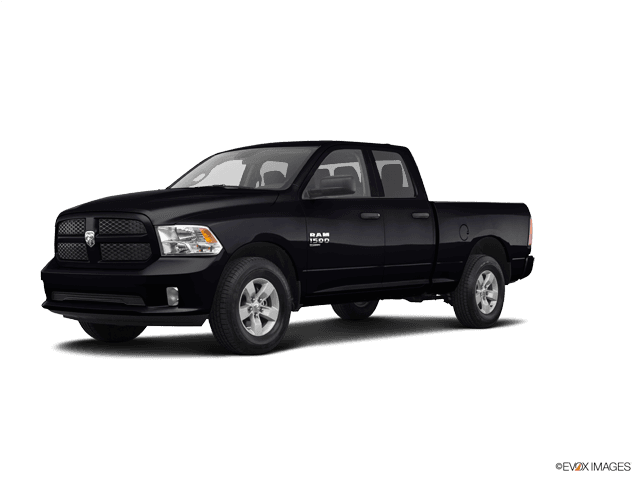









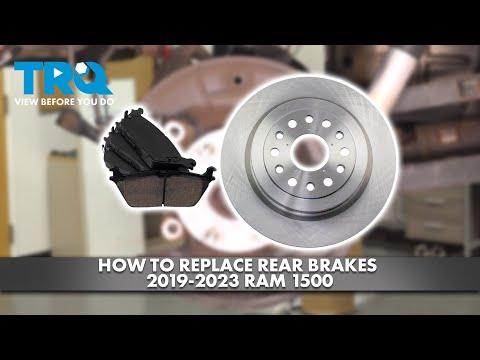







How to Replace Rear Brake Pads on a 2020 Ram 1500 Classic
Step-by-step DIY rear brake pad replacement with tools, torque specs, safety tips, and break-in procedure for 2019, 2020, 2021, 2022, 2023, 2024
How to Replace Rear Brake Pads on a 2020 Ram 1500 Classic
Step-by-step DIY rear brake pad replacement with tools, torque specs, safety tips, and break-in procedure for 2019, 2020, 2021, 2022, 2023, 2024


1500 Classic - Rear Brake Pad Replacement 🛠️
Got it—you want to replace the rear brake pads on your 2020 1500 Classic SLT 4WD. I’ll walk you through it step by step, beginner-friendly.
Quick check first:
- 🧱 Is your truck equipped with an electric parking brake (EPB) button instead of a manual foot pedal or hand lever?
If you’re not sure, just tell me: “I have a foot pedal parking brake” or “I have an electric parking brake button”, and I’ll tailor the steps. For now, I’ll assume the common setup on your truck: manual foot-operated parking brake (no scan tool needed).
Tools & Supplies You’ll Need 🔧
- 🧰 Floor jack and jack stands (jack lifts the truck, stands hold it safely)
- 🧰 Wheel chocks (blocks behind wheels so the truck can’t roll)
- 🧰 Lug wrench or 21 mm socket for wheel nuts
- 🧰 Ratchet and socket set:
- 13 mm (rear caliper guide pin bolts)
- 18 mm (caliper bracket bolts)
- 🧰 Wrench (often 15 mm to hold the guide pin if it spins)
- 🧰 C-clamp or disc brake piston tool (to push the caliper piston back)
- 🧰 Flat screwdriver or small pry bar (to help remove pads)
- 🧰 Wire brush (to clean rust from the bracket)
- 🧰 Bungee cord or wire (to hang the caliper so it doesn’t hang by the hose)
- 🧰 Brake cleaner spray
- 🧰 High‑temp brake grease (for pad contact points, not on friction surfaces)
- 🧰 Torque wrench (tightens bolts to exact spec)
- 🧰 New rear brake pads (for your 1500 Classic rear axle)
- 🧰 Optional: new pad abutment clips / hardware kit (recommended)
- 🧰 Safety gear: gloves, safety glasses, and a dust mask
Safety First ⚠️
- 🛑 Work on a flat, solid surface, not dirt or a slope.
- 🛑 Always support the truck with jack stands, never just the jack.
- 🛑 Do one side at a time so you can look at the other side as a reference.
- 🛑 Don’t press the brake pedal with a caliper removed.
Step 1 – Prep the Truck 🚙
- 🧱 Park, shift to PARK, and set the parking brake.
- 🧱 Loosen the rear wheel lug nuts ¼ turn while the truck is on the ground.
- 🧱 Place wheel chocks in front of the front wheels.
- 🧱 Jack up the rear at the rear axle jacking point and place jack stands under the axle tubes or frame (check your owner’s manual diagram).
- 🧱 Lower the truck gently onto the stands and make sure it’s stable.
- 🧱 Remove the rear wheels.
Step 2 – Release the Parking Brake (Important) 🧩
- 🛑 With the rear wheels off and truck on stands, release the parking brake (foot pedal up). This prevents the internal drum parking brake from dragging on the rotor while you work.
Step 3 – Remove the Rear Caliper 🧷
- 🔧 Turn the steering wheel is not needed for rear; just access from behind the rotor.
- 🔧 On the back of the caliper, locate the two guide pin bolts (top and bottom, usually 13 mm heads).
- 🔧 Hold the guide pin flats with a wrench if they spin while loosening the bolts.
- 🔧 Remove both guide pin bolts and set them aside.
- 🔧 Gently pry the caliper off the pads using a flat screwdriver if needed.
- 🔧 Hang the caliper with a bungee or wire from the suspension. Do not let it hang by the rubber brake hose.
Step 4 – Remove Old Pads & Inspect 🧽
- 🧰 Slide the inner and outer pads out of the caliper bracket.
- 🧰 Remove the stainless clips (pad abutment clips) from the bracket if you’re replacing them.
- 🧰 Inspect the rotor:
- Deep grooves, cracks, or heavy lip at the edge = rotor should be replaced or machined.
- 🧰 Check the rubber boots on the guide pins for tears or leaks.
Step 5 – Clean & Prep the Bracket 🧼
- 🧰 Pull the guide pins out of the bracket one at a time, wipe off old grease, and apply fresh high‑temp brake grease. Reinsert them and make sure they slide smoothly.
- 🧰 Use a wire brush to clean the pad contact areas on the bracket where the clips sit.
- 🧰 Spray with brake cleaner and let dry.
- 🧰 Install new stainless pad clips if you have them, pressing them fully into place.
Step 6 – Compress the Caliper Piston 🔄
- 🧰 Open the hood and check the brake fluid reservoir. If it’s very full, you may want to remove a little fluid with a clean syringe or turkey baster so it doesn’t overflow when you push the pistons back.
- 🧰 Place an old pad against the piston face inside the caliper.
- 🧰 Use a C-clamp or piston tool between the pad and the back of the caliper to slowly push the piston fully back into the caliper.
- 🧰 Go slow; stop if you feel anything binding.
Step 7 – Install New Pads 🧱
- 🧰 Apply a thin layer of brake grease to:
- The metal ears of the pads where they contact the clips
- The back of the pads where they touch the caliper/piston (avoid the friction surface)
- 🧰 Install the inner pad and outer pad into the bracket. Make sure they sit flat and move freely in the clips.
Step 8 – Reinstall the Caliper & Torque Specs 🔩
- 🔧 Swing the caliper back over the new pads and onto the bracket.
- 🔧 Align the guide pin holes and insert the guide pin bolts.
- 🔧 Tighten the guide pin bolts by hand first, then torque them:
- 🔧 Rear caliper guide pin bolts: 26 ft‑lb (35 N·m)
- 🔧 If you removed the caliper bracket bolts (not always needed):
- Rear caliper bracket bolts: 89 ft‑lb (120 N·m)
- 🔧 Repeat the same process on the other rear wheel. Always replace pads in pairs on the same axle.
Step 9 – Reinstall Wheels & Lower the Truck 🛞
- 🧰 Put the wheels back on and hand‑tighten the lug nuts in a star pattern.
- 🧰 Jack the truck slightly, remove the jack stands, and lower it to the ground.
- 🧰 Torque the lug nuts in a star pattern to:
- Wheel lug nuts: 130 ft‑lb (176 N·m)
Step 10 – Pump Brakes & Final Checks ✅
- 🧪 With the engine off, press the brake pedal slowly several times until it feels firm. This seats the pads against the rotors.
- 🧪 Check the brake fluid level in the reservoir and adjust to the “MAX” line if needed.
- 🧪 Check around the calipers for any leaks or loose parts.
- 🧪 Re‑engage the parking brake and make sure it holds properly.
Step 11 – Bed-In (Break-In) the New Pads 🚦
- 🚗 Find a safe, empty road.
- 🚗 Do about 8–10 gentle stops from 30–35 mph down to 5–10 mph, letting the brakes cool for 30–60 seconds between stops.
- 🚗 Avoid hard panic stops for the first 200–300 km unless necessary.
Want Parts & Tools? 🧩
I’ll show you rear brake pads, hardware kits, brake cleaner, grease, and the tools you need from HowToo below this answer. You can add them to your cart directly from the parts section.
If you confirm whether your parking brake is foot pedal or electric button, I can add any extra steps needed for your exact setup.
HowToo makes it easy: same-day/2-day shipping on every part, plus all the tools and specialty tools you need! 🧰