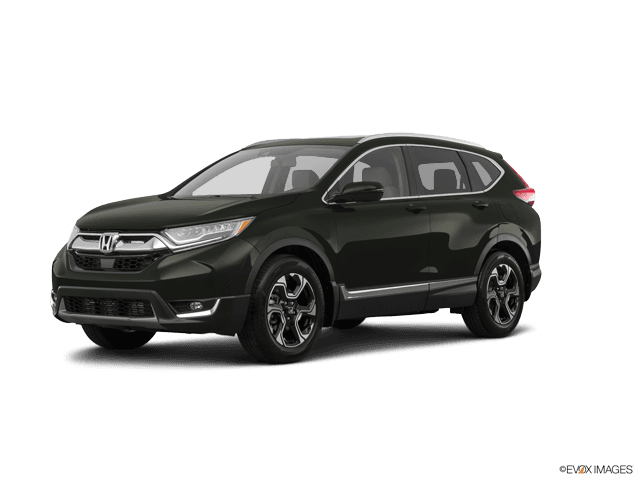









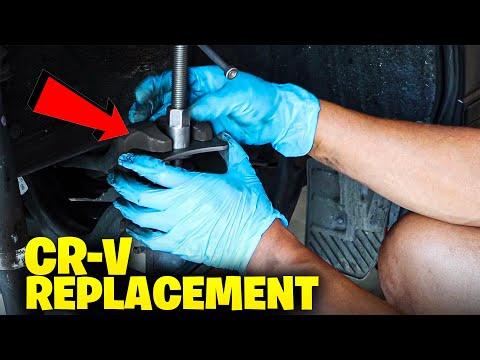






How to Replace Rear Brake Pads on a 2017-2025 Honda CR-V (Engine: Inline 4 1.5L)
Step-by-step instructions with tools, parts, torque specs, and parking brake service mode tips
How to Replace Rear Brake Pads on a 2017-2025 Honda CR-V (Engine: Inline 4 1.5L)
Step-by-step instructions with tools, parts, torque specs, and parking brake service mode tips for 2017, 2018, 2019, 2020, 2021, 2022, 2023, 2024, 2025


🔧 Rear Brake Pads - Replacement
Your CR-V uses rear disc brakes, and the Touring trim has an electronic parking brake, so the rear calipers must be put into service mode before pad removal. After installation, the brake pedal and parking brake need a careful test to make sure everything seats correctly.
Difficulty Level: Intermediate | Estimated Time: 1.5-2.5 hours
⚠️ Safety & Precautions
- Use the electronic parking brake service/retract mode before touching the rear calipers.
- Do not press the brake pedal with a caliper removed.
- Support the vehicle securely with jack stands before removing the wheels.
- Brake parts can be hot. Let them cool first.
- Wear safety glasses and gloves. Brake dust is harmful.
- After service, confirm the parking brake fully releases and applies.
🔧 Required Tools
You'll need the following tools for this repair:
- Floor jack (rated 3-ton minimum)
- Jack stands (rated for vehicle weight)
- Wheel chocks
- 19mm socket
- 14mm socket
- 3/8-inch ratchet
- Breaker bar
- Torque wrench
- Brake caliper piston compressor tool (specialty)
- Bungee cord or mechanic's wire
- Flat-blade screwdriver
- Wire brush
- Brake cleaner
- Shop rags
- Gloves
- Safety glasses
🔩 Required Parts
HowToo sells all the parts you need for this repair:
- Rear brake pad set - Qty: 1
- Brake pad hardware kit - Qty: 1
- Brake grease - Qty: 1 tube
📋 Before You Begin
- Park on level ground.
- Set the front wheels straight.
- Chock the front wheels.
- Make sure the transmission is in Park.
- Release the parking brake only after entering rear brake service mode.
- Electronic parking brake service mode: With the ignition ON, press and hold the brake pedal, then use the parking brake switch procedure from the owner's manual/service mode sequence to retract the rear calipers before pad removal.
🔨 Step-by-Step Instructions
Follow these steps in order:
Step 1: Put the rear parking brake in service mode
- Use the ignition ON and brake pedal held down.
- Use the parking brake switch to retract the rear calipers into service mode.
- Confirm the rear motors finish cycling before continuing.
- Listen for the motor to stop completely.
Step 2: Loosen the rear wheel lug nuts
- Use the 19mm socket and breaker bar to loosen the lug nuts on both rear wheels.
- Do not remove them yet.
Step 3: Raise and support the vehicle
- Use the floor jack to lift the rear of the vehicle at the proper jacking point.
- Place jack stands under the rear support points.
- Lower the vehicle onto the stands and shake it lightly to confirm stability.
Step 4: Remove the rear wheels
- Use the 19mm socket to remove the lug nuts.
- Remove both rear wheels and set them aside.
Step 5: Remove the caliper
- Use the 14mm socket and ratchet to remove the caliper slide bolts.
- Lift the caliper off the bracket.
- Use a bungee cord or mechanic's wire to support the caliper so the hose is not stretched.
- Never let the caliper hang by the hose.
Step 6: Remove the old brake pads and hardware
- Slide the old pads out of the caliper bracket.
- Remove the pad clips and any anti-rattle hardware.
- Use a flat-blade screwdriver if the pads are stuck.
Step 7: Clean and inspect the bracket
- Use a wire brush and brake cleaner to clean the pad contact points.
- Check the rotor for deep grooves, cracks, or heavy rust.
- Inspect the caliper boots for damage or leakage.
Step 8: Compress the caliper piston
- Use the brake caliper piston compressor tool (specialty) to wind the rear piston back in.
- Apply steady pressure only. Do not force it.
- Make sure the piston face is fully seated before installing the pads.
- Keep the piston straight while turning.
Step 9: Install new hardware and pads
- Install the new pad clips from the brake pad hardware kit.
- Apply a thin coat of brake grease to the contact points only.
- Install the new rear pads in the bracket.
- Make sure the inner and outer pads are in the correct positions.
Step 10: Reinstall the caliper
- Lower the caliper over the new pads.
- Install the slide bolts by hand first.
- Use the 14mm socket and torque wrench to tighten the slide bolts to 33 Nm (24 ft-lbs).
Step 11: Reinstall the wheels
- Put the wheels back on and thread the lug nuts by hand.
- Lower the vehicle enough so the tires touch the ground.
- Use the 19mm socket and torque wrench to tighten the lug nuts to 108 Nm (80 ft-lbs) in a star pattern.
Step 12: Exit service mode and seat the pads
- Use the parking brake switch to take the rear brakes out of service mode.
- Press the brake pedal several times until it feels firm.
- Apply and release the parking brake to confirm normal operation.
✅ After Repair
- Start the vehicle and check for warning lights.
- Test the brake pedal at low speed first.
- Confirm the parking brake holds and releases correctly.
- Listen for rubbing or clicking from the rear brakes.
- Recheck lug nut torque after a short test drive.
- Expect reduced braking performance for the first 200-300 miles while the pads bed in.
💰 DIY vs Shop Cost
Shop Cost: $280-$520 (parts + labor)
DIY Cost: $80-$180 (parts only)
You Save: $200-$340 by doing it yourself!
Shop labor rates vary but typically run $100-$150/hour. This repair takes a shop approximately 1.5-2.5 hours.
🎯 Ready to get started?
HowToo makes it easy: same-day/2-day shipping on every part, plus all the tools and specialty tools you need! Check out the parts and tools sections below to add everything to your cart.
Guide for Disc Brake Pad Set replace for these Honda vehicles
| Year Make Model | Sub Model | Engine | Body Style |
|---|---|---|---|
| 2025 Honda CR-V | - | Inline 4 1.5L | - |
| 2025 Honda CR-V | - | Inline 4 2.0L | - |
| 2024 Honda CR-V | - | Inline 4 1.5L | - |
| 2024 Honda CR-V | - | Inline 4 2.0L | - |
| 2023 Honda CR-V | - | Inline 4 1.5L | - |
| 2023 Honda CR-V | - | Inline 4 2.0L | - |
| 2022 Honda CR-V | - | Inline 4 1.5L | - |
| 2022 Honda CR-V | - | Inline 4 2.0L | - |
| 2021 Honda CR-V | - | Inline 4 1.5L | - |
| 2021 Honda CR-V | - | Inline 4 2.0L | - |
| 2020 Honda CR-V | - | Inline 4 1.5L | - |
| 2020 Honda CR-V | - | Inline 4 2.0L | - |
| 2019 Honda CR-V | - | Inline 4 1.5L | - |
| 2018 Honda CR-V | - | Inline 4 1.5L | - |
| 2017 Honda CR-V | - | Inline 4 1.5L | - |