














How to Replace Rear Brake Pads on a 2015-2020 GMC Canyon (Step-by-Step Guide)
Tools, parts, safety tips, and torque specs for a clean rear pad and hardware swap
How to Replace Rear Brake Pads on a 2015-2020 GMC Canyon (Step-by-Step Guide)
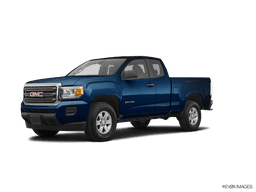
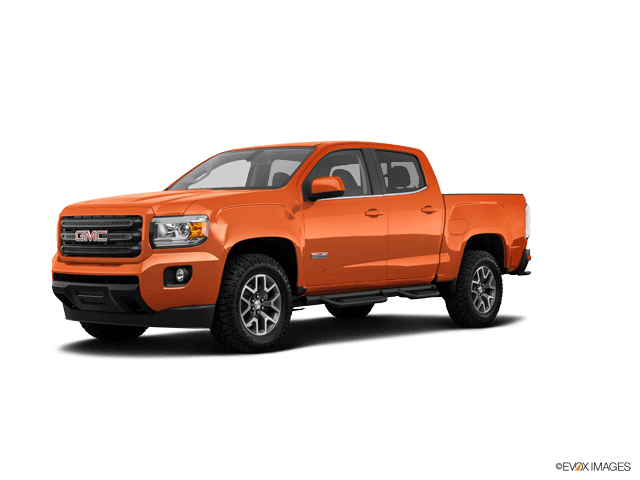
Tools, parts, safety tips, and torque specs for a clean rear pad and hardware swap for 2015, 2016, 2017, 2018, 2019, 2020


🔧 Canyon - Rear Brake Pad Replacement
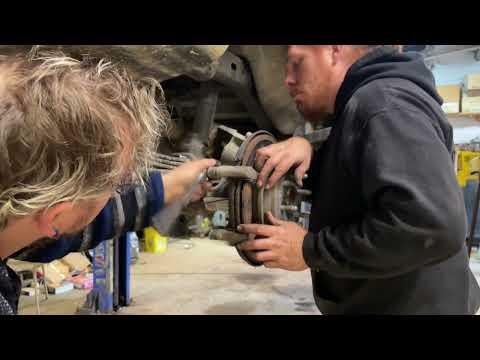
Replacing the rear brake pads on your Canyon means removing the rear wheels, swinging the caliper out of the way, and installing new pads (and usually new pad hardware). This restores braking power and prevents metal-to-metal damage to the rotors.
Difficulty Level: Intermediate | Estimated Time: 1.5-3.0 hours
⚠️ Safety & Precautions
- 🛑 Work on level ground and support the truck with jack stands before going under it.
- 🛑 Chock the front wheels so the truck can’t roll.
- 🛑 Release the parking brake before starting (rear calipers won’t move freely if it’s applied).
- 🛑 Don’t press the brake pedal while a caliper is off the rotor.
- 🛑 Brake dust is harmful; use brake cleaner, not compressed air.
🔧 Required Tools
You'll need the following tools for this repair:
- Floor jack (rated 3-ton minimum)
- Jack stands (rated 3-ton minimum)
- Wheel chocks
- 22mm socket
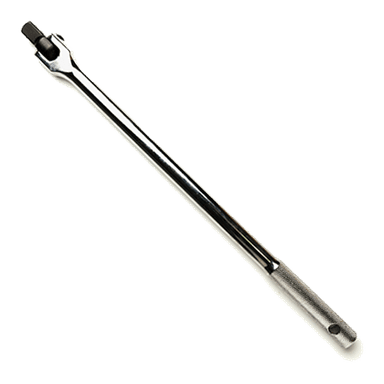
- 1/2" drive breaker bar
- 1/2" drive ratchet
- 3/8" drive ratchet
- 13mm socket
- 18mm socket
- 18mm wrench
- Torque wrench (20–150 ft-lbs range)
- C-clamp (6" minimum)
- Flathead screwdriver
- Wire brush
- Bungee cord
- Brake cleaner spray
- Nitrile gloves
- Safety glasses
🔩 Required Parts
HowToo sells all the parts you need for this repair:
- Rear brake pad set - Qty: 1
- Rear brake pad hardware kit (clips) - Qty: 1
- Brake caliper grease (silicone) - Qty: 1
📋 Before You Begin
- Park on level ground, put the transmission in Park, and turn the engine off.
- Release the parking brake fully.
- Loosen the rear lug nuts slightly before lifting (about 1/2 turn).
- Lift the rear and support the frame with jack stands; keep the floor jack lightly supporting as a backup.
🔨 Step-by-Step Instructions
Follow these steps in order:
Step 1: Remove the rear wheels
- Use a 22mm socket and breaker bar to loosen lug nuts if you haven’t already.
- Use the floor jack to lift the rear and set it on jack stands.
- Remove the lug nuts with a 22mm socket and ratchet, then remove both rear wheels.
Step 2: Access the rear caliper
- Turn the steering wheel if needed for room (rear access is usually straight-on).
- Use safety glasses and spray brake cleaner to knock down dust on the caliper area.
Step 3: Remove the caliper guide pin bolts
- Locate the two caliper guide pin bolts on the back side of the caliper.
- Use a 13mm socket and 3/8" drive ratchet to remove the upper and lower guide pin bolts.
- If the guide pin wants to spin, hold it with an 18mm wrench while you loosen the bolt with the 13mm socket.
Step 4: Lift the caliper off and support it
- Use a flathead screwdriver to gently pry the caliper away from the pads if it’s tight.
- Lift the caliper off the bracket and hang it with a bungee cord.
- Do not let the caliper hang by the brake hose.
Step 5: Remove old pads and hardware
- Pull the inner and outer pads out of the bracket by hand.
- Remove the old pad hardware clips from the bracket.
- Use a wire brush to clean the pad “tracks” where the clips sit.
Step 6: Compress the caliper piston
- Remove the brake master cylinder cap under the hood (loosening it helps fluid return).
- Use a C-clamp (6" minimum) to slowly press the piston back into the caliper.
- Go slow; watch the fluid level.
Step 7: Install new hardware and pads
- Install the new hardware clips into the caliper bracket by hand.
- Apply a very thin film of brake caliper grease (silicone) where the pad ears slide in the clips.
- Install the new inner and outer pads into the bracket.
Step 8: Reinstall the caliper
- Set the caliper back over the new pads.
- Reinstall the guide pin bolts using a 13mm socket and 3/8" drive ratchet.
- Torque to 35 Nm (26 ft-lbs) using a torque wrench.
Step 9: Repeat on the other rear wheel
- Do the same pad replacement steps on the other side.
- Always replace pads in pairs.
Step 10: Reinstall wheels and torque lug nuts
- Put both rear wheels back on and hand-thread the lug nuts.
- Lower the truck using the floor jack, then remove the jack stands.
- Use a 22mm socket and torque wrench to tighten lug nuts in a star pattern.
- Torque to 140 Nm (103 ft-lbs).
✅ After Repair
- Before driving, pump the brake pedal 8–12 times until it feels firm (this seats the pistons against the new pads).
- Check the brake fluid level and top off only if needed (don’t overfill).
- Test at low speed first, then do a careful road test.
- Pad break-in: make 6–10 smooth stops from ~30 mph to 5 mph with cooling time between.
💰 DIY vs Shop Cost
Shop Cost: $250-$450 (parts + labor)
DIY Cost: $40-$120 (parts only)
You Save: $130-$410 by doing it yourself!
Shop labor rates vary but typically run $100-$150/hour. This repair takes a shop approximately 1.5-2.0 hours.
🎯 Ready to get started?
HowToo makes it easy: same-day/2-day shipping on every part, plus all the tools and specialty tools you need! Check out the parts and tools sections below to add everything to your cart.
Guide for Disc Brake Pad Set replace for these GMC vehicles
| Year Make Model | Sub Model | Engine | Body Style |
|---|---|---|---|
| 2020 GMC Canyon | - | - | - |
| 2019 GMC Canyon | - | - | - |
| 2018 GMC Canyon | - | - | - |
| 2017 GMC Canyon | - | - | - |
| 2016 GMC Canyon | - | - | - |
| 2015 GMC Canyon | - | - | - |