















How to Replace Rear Brake Pads on a 2007-2024 Toyota Camry (Trim: Hybrid SE)
Step-by-step instructions with EPB service mode, tools, torque specs, and safety tips
How to Replace Rear Brake Pads on a 2007-2024 Toyota Camry (Trim: Hybrid SE)
Step-by-step instructions with EPB service mode, tools, torque specs, and safety tips for 2007, 2008, 2009, 2010, 2011, 2012, 2013, 2014, 2015, 2016, 2017, 2018, 2019, 2020, 2021, 2022, 2023, 2024


🔧 Rear Brake Pads - Replacement
The rear pads on your Camry need to be replaced in pairs, and the rear electronic parking brake must be put into service mode before the caliper is opened. This keeps the parking brake motor from damaging itself and makes piston retraction safe and easy.
Difficulty Level: Intermediate | Estimated Time: 2-3 hours
⚠️ Safety & Precautions
- The rear calipers use an electronic parking brake (EPB). Put the system into service mode before removing the caliper or compressing the piston.
- Use jack stands. Never work with the car supported by the jack alone.
- Do not press the brake pedal with any caliper removed.
- Keep hands clear of the caliper and rotor while retracting the piston.
- No battery disconnect is required for this job unless your scan tool specifically instructs it.
🔧 Required Tools
You'll need the following tools for this repair:
- Floor jack (rated 3-ton minimum)
- Jack stands (rated for vehicle weight)
- Wheel chocks
- 21mm lug wrench or socket
- 14mm socket
- 17mm socket
- Ratchet
- Torque wrench
- Brake caliper piston compression tool (specialty)
- Scan tool with EPB service mode (specialty)
- Flat trim tool
- Brake cleaner
- Wire brush
- Shop towels
- Safety glasses
- Nitrile gloves
🔩 Required Parts
HowToo sells all the parts you need for this repair:
- Rear brake pad set - Qty: 1
- Rear pad hardware kit - Qty: 1
- Brake grease - Qty: 1
- Brake cleaner - Qty: 1
📋 Before You Begin
- Park on level ground.
- Put the transmission in Park.
- Set wheel chocks at the front wheels.
- Open the driver door and keep the key fob away from the car if you plan to use the EPB service function.
- Use the scan tool to place the rear parking brake in service mode before removing the caliper. Menu path varies by scan tool: EPB > Service Mode / Maintenance Mode.
🔨 Step-by-Step Instructions
Follow these steps in order:
Step 1: Loosen the rear wheel nuts
- Use a 21mm lug wrench or socket to loosen the rear wheel nuts one turn each.
- Do this before raising the car.
Step 2: Raise and support the rear of the car
- Use a floor jack (rated 3-ton minimum) to lift the rear of the car at the proper jack point.
- Place jack stands (rated for vehicle weight) under the approved support points.
- Lower the car onto the stands and verify it is stable before working.
Step 3: Remove the wheel
- Use a 21mm lug wrench or socket to remove the wheel nuts.
- Remove the wheel and set it aside flat.
Step 4: Put the EPB into service mode
- Use a scan tool with EPB service mode (specialty) and follow the on-screen prompts.
- Confirm the rear parking brake is fully released before touching the caliper.
- Do not skip this step.
Step 5: Remove the caliper
- Use a 14mm socket and ratchet to remove the caliper slide pin bolts.
- Lift the caliper off the bracket.
- Support the caliper with a hook or rest it carefully so the brake hose is not stretched.
Step 6: Remove the old pads and hardware
- Remove the inner and outer pads from the bracket.
- Use a flat trim tool if the pads are stuck.
- Remove the pad clips and clean the bracket with wire brush and brake cleaner.
Step 7: Retract the piston
- Use a brake caliper piston compression tool (specialty) to slowly wind the piston back in.
- Watch the brake fluid reservoir so it does not overflow.
- Compress slowly and evenly.
Step 8: Install the new pad hardware and pads
- Install the new pad clips from the rear pad hardware kit.
- Apply a thin layer of brake grease to the pad contact points and any approved pad ears.
- Install the new pads in the bracket.
Step 9: Reinstall the caliper
- Set the caliper back over the new pads.
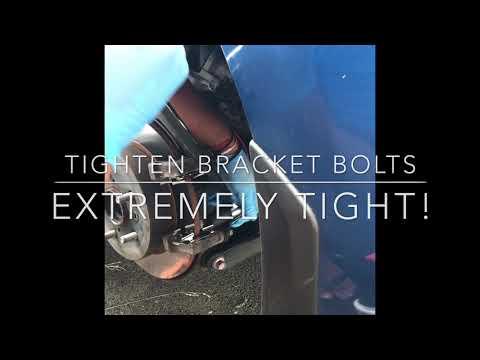
- Use a 14mm socket and ratchet to reinstall the slide pin bolts.
- Torque to 25 Nm (18 ft-lbs).
Step 10: Reinstall the wheel
- Install the wheel and hand-tighten the lug nuts.
- Lower the car with the floor jack.
- Use a 21mm lug wrench or socket to snug the lug nuts in a star pattern.
- Torque to 103 Nm (76 ft-lbs).
Step 11: Exit EPB service mode
- Use the scan tool with EPB service mode (specialty) to return the parking brake system to normal mode.
- Confirm the EPB warning light clears as expected.
✅ After Repair
- Press the brake pedal several times until it feels firm.
- Check the brake fluid level.
- Apply and release the parking brake to confirm normal operation.
- Test the brakes at low speed first.
- Listen for rubbing, clicking, or dragging sounds.
- For the first 200 miles, avoid hard stops unless needed.
💰 DIY vs Shop Cost
Shop Cost: $280-$520 (parts + labor)
DIY Cost: $60-$160 (parts only)
You Save: $220-$360 by doing it yourself!
Shop labor rates vary but typically run $100-$150/hour. This repair takes a shop approximately 1.5-2.0 hours.
🎯 Ready to get started?
HowToo makes it easy: same-day/2-day shipping on every part, plus all the tools and specialty tools you need! Check out the parts and tools sections below to add everything to your cart.
Guide for Disc Brake Pad Set replace for these Toyota vehicles
| Year Make Model | Sub Model | Engine | Body Style |
|---|---|---|---|
| 2024 Toyota Camry | LE | - | - |
| 2024 Toyota Camry | SE | - | - |
| 2024 Toyota Camry | SE Nightshade | - | - |
| 2023 Toyota Camry | LE | - | - |
| 2023 Toyota Camry | SE | - | - |
| 2023 Toyota Camry | SE Nightshade | - | - |
| 2022 Toyota Camry | LE | - | - |
| 2022 Toyota Camry | SE | - | - |
| 2022 Toyota Camry | SE Nightshade | - | - |
| 2021 Toyota Camry | LE | - | - |
| 2021 Toyota Camry | SE | - | - |
| 2021 Toyota Camry | SE Nightshade | - | - |
| 2020 Toyota Camry | LE | - | - |
| 2020 Toyota Camry | SE | - | - |
| 2020 Toyota Camry | L | - | - |
| 2020 Toyota Camry | SE Nightshade | - | - |
| 2019 Toyota Camry | LE | - | - |
| 2019 Toyota Camry | SE | - | - |
| 2019 Toyota Camry | L | - | - |
| 2018 Toyota Camry | LE | - | - |
| 2018 Toyota Camry | SE | - | - |
| 2018 Toyota Camry | L | - | - |
| 2017 Toyota Camry | LE | - | - |
| 2017 Toyota Camry | SE | - | - |
| 2016 Toyota Camry | LE | - | - |
| 2016 Toyota Camry | SE | - | - |
| 2015 Toyota Camry | LE | - | - |
| 2015 Toyota Camry | SE | - | - |
| 2014 Toyota Camry | LE | - | - |
| 2014 Toyota Camry | SE | - | - |
| 2014 Toyota Camry | L | - | - |
| 2013 Toyota Camry | LE | - | - |
| 2013 Toyota Camry | SE | - | - |
| 2013 Toyota Camry | L | - | - |
| 2012 Toyota Camry | LE | - | - |
| 2012 Toyota Camry | SE | - | - |
| 2012 Toyota Camry | L | - | - |
| 2011 Toyota Camry | LE | - | - |
| 2011 Toyota Camry | SE | - | - |
| 2010 Toyota Camry | LE | - | - |
| 2010 Toyota Camry | SE | - | - |
| 2009 Toyota Camry | LE | - | - |
| 2009 Toyota Camry | SE | - | - |
| 2008 Toyota Camry | LE | - | - |
| 2008 Toyota Camry | SE | - | - |
| 2007 Toyota Camry | LE | - | - |
| 2007 Toyota Camry | SE | - | - |