








![How to change rear brake discs on VW GOLF 7 [TUTORIAL AUTODOC]](/_next/image?url=https%3A%2F%2Fimg.youtube.com%2Fvi%2F5DrnEb8jfjU%2Fhqdefault.jpg&w=3840&q=75)






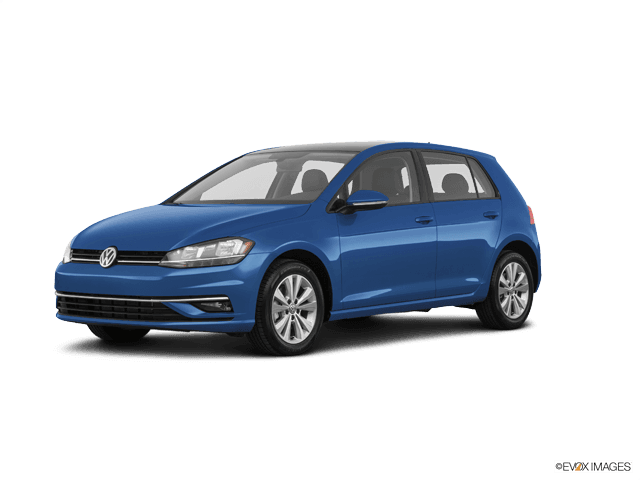
How to Replace Rear Brake Pads and Rotors on a 2016-2021 Volkswagen Golf (EPB Service Mode)
Step-by-step rear brake job with required tools/parts, piston rewind tips, and key torque specs
How to Replace Rear Brake Pads and Rotors on a 2016-2021 Volkswagen Golf (EPB Service Mode)
Step-by-step rear brake job with required tools/parts, piston rewind tips, and key torque specs for 2016, 2017, 2018, 2019, 2020, 2021


🔧 Golf - Rear Brake Pads & Rotor Replacement
You’ll replace the rear brake pads and rotors, then reassemble and confirm everything moves freely and stops smoothly. The key “gotcha” on your Golf is the rear caliper piston must be pushed in while it’s being turned, and some cars use an electronic parking brake that must be put in service mode first.
Difficulty Level: Intermediate | Estimated Time: 2-4 hours
⚠️ Safety & Precautions
- ⚠️ Work on level ground and use jack stands; never rely on a jack alone.
- ⚠️ Chock the front wheels with wheel chocks so the car can’t roll.
- ⚠️ Do not inhale brake dust; use nitrile gloves and safety glasses.
- ⚠️ Do not press the brake pedal with a caliper removed.
- ⚠️ If your Golf has an electronic parking brake (EPB) switch/button, you must retract it with a scan tool before pushing the piston in.
🔧 Required Tools
You'll need the following tools for this repair:
- Floor jack (rated 3-ton minimum)
- Jack stands (rated 3-ton minimum)
- Wheel chocks
- 17mm socket
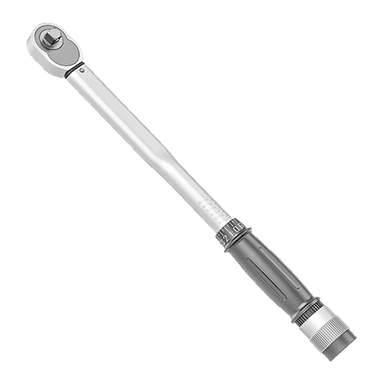
- Torque wrench (10-200 Nm range)
- Ratchet (3/8" drive)
- Breaker bar (1/2" drive)
- 13mm socket
- 15mm wrench
- M14 triple-square (XZN) bit socket
- Torx T30 bit
- Flat trim tool
- Brake caliper piston rewind tool (specialty)
- Bungee cord
- Wire brush
- Brake cleaner
- Micrometer or vernier caliper
- Silicone brake grease
- Nitrile gloves
- Safety glasses
🔩 Required Parts
HowToo sells all the parts you need for this repair:
- Rear brake pad set - Qty: 1
- Rear brake rotors - Replace in pairs - Qty: 2
- Rear pad hardware/anti-rattle clip kit - Qty: 1
- Rear caliper carrier bolts - Replace in pairs - Qty: 2
- Rear rotor retaining screw - Qty: 2
- Brake caliper guide pin bolt set - Qty: 1
- Brake fluid (DOT 4) - Qty: 1 quart
📋 Before You Begin
- Park on level ground, leave the transmission in 1st gear, and chock the front wheels.
- Release the parking brake.
- Pop the hood and loosen the brake fluid reservoir cap slightly (do not remove it fully).
- Identify your parking brake type:
- If you have a hand lever between the seats, you likely have a cable parking brake.
- If you have an EPB button/switch, you must put the rear brakes into service mode with a scan tool.
🔨 Step-by-Step Instructions
Follow these steps in order:
Step 1: Loosen wheel bolts and lift the rear
- Use a 17mm socket and breaker bar to crack the rear wheel bolts loose 1/2 turn.
- Lift a rear corner with the floor jack (rated 3-ton minimum) and support with jack stands (rated 3-ton minimum).
- Remove the wheel bolts with the 17mm socket and take the wheel off.
Step 2: Put the parking brake system in the correct state
- If you have EPB: Do not continue until the EPB is retracted using a scan tool. Forcing it can damage the actuator.
- If you have a hand lever: Ensure the lever is fully down and the rear wheels spin freely by hand.
Step 3: Remove the caliper (pads stay with the caliper)
- Turn the steering wheel slightly if you need better access, then locate the two rear caliper guide pin bolts.
- Use a 13mm socket to remove the guide pin bolts while holding the slide pin with a 15mm wrench if it tries to spin.
- Lift the caliper off the bracket and hang it from the suspension using a bungee cord.
- Do not let the caliper hang by the brake hose.
Step 4: Remove the old pads and inspect
- Remove the inner and outer pads by hand (use a flat trim tool if they’re stuck).
- Check the caliper slide pins for smooth movement; clean with brake cleaner and apply a thin coat of silicone brake grease.
Step 5: Remove the caliper carrier bracket
- Use an M14 triple-square (XZN) bit socket and breaker bar to remove the two caliper carrier bolts.
- Remove the carrier and set it aside.
Step 6: Remove the rotor
- Remove the rotor retaining screw using a Torx T30 bit.
- Pull the rotor off the hub. If it’s stuck, spray hub/rotor center with brake cleaner and tap the rotor hat gently (use controlled taps).
- Clean the hub face with a wire brush so the new rotor sits flat. Clean hub = no pedal pulsation.
Step 7: Install the new rotor
- Clean the new rotor surfaces with brake cleaner to remove shipping oil.
- Install the rotor onto the hub and install the retaining screw with the Torx T30 bit.
- Torque to 4 Nm (35 in-lbs).
Step 8: Reinstall the caliper carrier bracket
- Position the carrier and start the bolts by hand.
- Tighten using the M14 triple-square (XZN) bit socket and torque wrench.
- Torque to 70 Nm (52 ft-lbs) + 90° turn.
Step 9: Retract the caliper piston (push + turn)
- Set up the brake caliper piston rewind tool (specialty). This tool presses while rotating the piston.
- Turn the piston clockwise while applying steady pressure until it bottoms out.
- Watch the brake fluid level at the reservoir; remove some if it gets too high.
Step 10: Install new pads and hardware
- Install new pad hardware/clips onto the carrier (use a flat trim tool if needed).
- Apply a very thin coat of silicone brake grease where the pad ears slide on the hardware (keep grease off rotor/pad friction material).
- Install the new inner and outer pads into the carrier by hand.
Step 11: Reinstall the caliper
- Lower the caliper over the new pads.
- Install the guide pin bolts using the 13mm socket (hold with 15mm wrench if needed).
- Torque to 35 Nm (26 ft-lbs).
Step 12: Reinstall the wheel
- Put the wheel on and hand-start all wheel bolts.
- Lower the car, then torque wheel bolts with a torque wrench.
- Torque to 120 Nm (89 ft-lbs).
Step 13: Repeat on the other rear side
- Repeat Steps 1–12 on the opposite rear wheel.
✅ After Repair
- Press the brake pedal slowly 10-15 times until it feels firm. This seats the pads against the rotors.
- Check brake fluid level and top off with DOT 4 if needed.
- If you have EPB, command it out of service mode and confirm it applies/releases normally.
- Test drive at low speed first. Confirm no grinding, pulling, or warning lights.
- Pad bed-in (break-in): do 6-8 moderate stops from 35 mph to 10 mph, letting brakes cool 30-60 seconds between stops.
💰 DIY vs Shop Cost
Shop Cost: $450-$850 (parts + labor)
DIY Cost: $180-$420 (parts only)
You Save: $270-$430 by doing it yourself!
Shop labor rates vary but typically run $100-$150/hour. This repair takes a shop approximately 2-3 hours.
🎯 Ready to get started?
HowToo makes it easy: same-day/2-day shipping on every part, plus all the tools and specialty tools you need! Check out the parts and tools sections below to add everything to your cart.
Guide for Disc Brake Pad Set replace for these Volkswagen vehicles
| Year Make Model | Sub Model | Engine | Body Style |
|---|---|---|---|
| 2021 Volkswagen Golf | - | - | - |
| 2020 Volkswagen Golf | - | - | - |
| 2019 Volkswagen Golf | - | - | - |
| 2018 Volkswagen Golf | - | - | - |
| 2017 Volkswagen Golf | - | - | - |
| 2016 Volkswagen Golf | - | - | - |