














How to Replace Rear Brake Pads and Rotors on a 2011-2021 Jeep Grand Cherokee (Trim: Summit | Engine: V8 5.7L)
Step-by-step DIY rear brake job with EPB tips, required tools, parts list, torque specs, and safety instructions
How to Replace Rear Brake Pads and Rotors on a 2011-2021 Jeep Grand Cherokee (Trim: Summit | Engine: V8 5.7L)
Step-by-step DIY rear brake job with EPB tips, required tools, parts list, torque specs, and safety instructions for 2011, 2012, 2013, 2014, 2015, 2016, 2017, 2018, 2019, 2020


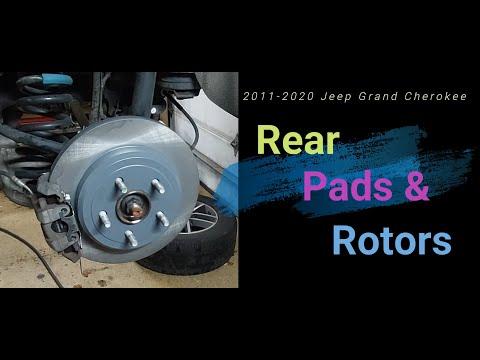
🔧 Grand Cherokee - Rear Brake Pads & Rotors Replacement
You’ll be replacing the rear brake pads and rotors on your Grand Cherokee, and briefly removing the electric parking brake motor to safely retract the pistons. This restores braking performance and helps eliminate noise or vibration.
Difficulty Level: Intermediate | Estimated Time: 3–4 hours
⚠️ Safety & Precautions
- ⚠️ Always support the vehicle with jack stands; never rely only on a floor jack.
- ⚠️ Work on a cool brake system; hot rotors and calipers can burn skin.
- ⚠️ Do not press the brake pedal while a caliper is off the rotor.
- ⚠️ Your Grand Cherokee has an electric parking brake (EPB). Ignition must stay OFF once you start work, and do not apply the parking brake until everything is reassembled.
- ⚠️ Keep fingers clear when tightening caliper bolts; the caliper can swing suddenly.
- ⚠️ Wear safety glasses when using any tool; rust flakes and dust can fall into your eyes.
- ⚠️ Brake dust can be harmful; avoid blowing it with compressed air, use brake cleaner instead.
- ⚠️ Battery disconnect is not required, but you may disconnect the negative terminal for extra safety if you are worried about the EPB activating accidentally.
🔧 Required Tools
You'll need the following tools for this repair:
- 🛠️ Floor jack (rated 3-ton minimum)
- 🛠️ Jack stands (rated 3-ton minimum, Qty: 2)
- 🛠️ Wheel chocks
- 🛠️ Breaker bar 1/2"
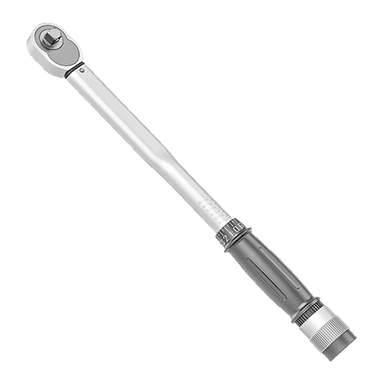
- 🛠️ Torque wrench 1/2" drive (10–150 ft-lbs range)
- 🛠️ Torque wrench 3/8" drive (5–50 ft-lbs range)
- 🛠️ 19mm socket (wheel lug nuts)
- 🛠️ 13mm socket (rear caliper guide pin bolts)
- 🛠️ 21mm socket (rear caliper bracket bolts)
- 🛠️ Torx T30 bit (electric parking brake motor screws)
- 🛠️ Ratchet 3/8" drive
- 🛠️ Ratchet 1/2" drive
- 🛠️ Flat-blade screwdriver medium
- 🛠️ Needle-nose pliers
- 🛠️ C-clamp large or disc brake piston tool
- 🛠️ Wire brush small
- 🛠️ Small bungee cord or strong wire hanger
- 🛠️ Shop rags
- 🛠️ Brake cleaner spray
- 🛠️ Anti-seize compound
- 🛠️ High-temperature brake grease
- 🛠️ Safety glasses
- 🛠️ Nitrile gloves
- 🛠️ Flashlight
🔩 Required Parts
HowToo sells all the parts you need for this repair:
- 🔩 Rear brake pad set - Qty: 1 (replace both sides)
- 🔩 Rear brake rotors - Qty: 2 (replace in pairs)
- 🔩 Rear brake pad hardware kit (anti-rattle clips/shims) - Qty: 1
- 🔩 Brake cleaner (aerosol) - Qty: 1–2 cans
- 🔩 High-temperature brake grease - Qty: 1 small tube
- 🔩 Anti-seize compound - Qty: 1 small tube
- 🔩 Shop towels - Qty: 1 pack
📋 Before You Begin
- Park the Grand Cherokee on level ground, shift to Park, and leave the ignition OFF.
- Release the parking brake before you start. The parking brake must be OFF.
- Place wheel chocks in front of and behind at least one front wheel.
- Loosen (do not remove) the rear wheel lug nuts with the 19mm socket and breaker bar while the vehicle is still on the ground.
- If you want maximum safety against EPB moving, disconnect the negative battery terminal with a 10mm wrench after releasing the parking brake. Remember this will reset some settings and clocks.
- Have your new pads and rotors opened and ready so you’re not searching with the car apart.
🔨 Step-by-Step Instructions
Follow these steps in order:
Step 1: Lift and Support the Rear of the Vehicle
- Use the 19mm socket and breaker bar to slightly loosen each rear lug nut (about one turn) if you haven’t already.
- Position the floor jack under the rear jacking point or the center of the rear axle area as specified in your owner’s manual.
- Jack up the rear of the Grand Cherokee until both rear wheels are off the ground.
- Place jack stands under the correct rear support points and slowly lower the vehicle onto the stands.
- Remove the rear wheels completely using the 19mm socket.
- Torque for reinstallation later: wheel lug nuts 175 Nm (129 ft-lbs).
Step 2: Identify the Electric Parking Brake Motor
- On the rear of each brake caliper, you’ll see a small cylindrical motor attached with wires: this is the electric parking brake (EPB) motor.
- Trace the wiring harness to make sure you won’t pull or damage it while working.
- Do not unplug the EPB connector unless necessary.
Step 3: Remove the Electric Parking Brake Motor from the Caliper
- Use the Torx T30 bit and 3/8" ratchet to remove the small screws holding the EPB motor to the back of the caliper.
- Gently wiggle and pull the motor straight back. It may be snug; use a flat-blade screwdriver gently around the edge if needed to break it free.
- Support the motor with a bungee cord or wire so it hangs without tension on the wiring.
- Torque for reinstallation: EPB motor screws 4 Nm (35 in-lbs).
Step 4: Retract the Caliper Parking Brake Mechanism
- With the motor removed, you’ll see a small gear or shaft where the motor engaged.
- Use a suitable Torx bit or small hex/Allen key (depending on what fits) in that gear and turn it clockwise slowly. This backs off the internal parking brake mechanism so the piston can be pushed in later.
- Turn until you feel it stop; do not force it beyond light resistance.
- This step is your “service mode” without a scan tool.
Step 5: Remove the Caliper
- Locate the two caliper guide pin bolts on the back of the caliper.
- Use the 13mm socket and 3/8" ratchet to remove the upper and lower guide pin bolts.
- Carefully slide the caliper off the rotor. If it’s stuck, gently pry with a flat-blade screwdriver while pulling.
- Hang the caliper from the suspension spring with a bungee cord or wire. Do not let it hang by the brake hose.
- Torque for reinstallation: caliper guide pin bolts 35 Nm (26 ft-lbs).
Step 6: Remove the Old Brake Pads and Hardware
- Slide the old brake pads out of the caliper bracket by hand.
- Remove the metal pad clips (hardware) from the caliper bracket using a flat-blade screwdriver if needed.
- Note how the hardware and pads were installed; your new parts will go in the same way.
Step 7: Remove the Caliper Bracket and Rotor
- Use the 21mm socket and 1/2" breaker bar to remove the two large caliper bracket bolts on the backside of the knuckle.
- Remove the caliper bracket and set it on a clean surface.
- Pull the rotor straight off the hub. If it is stuck due to rust, tap between the wheel studs on the rotor hat with a rubber mallet or with a hammer using light, controlled hits.
- If still stuck, a small amount of penetrating oil around the hub center can help. Avoid spraying the friction surfaces more than necessary.
- Torque for reinstallation: caliper bracket bolts 125 Nm (92 ft-lbs).
Step 8: Clean the Hub and Bracket
- Use a wire brush to clean rust and debris from the face of the wheel hub where the rotor sits.
- Wipe the hub face with a shop rag and brake cleaner.
- Apply a very thin film of anti-seize compound to the hub center ring only, not on the whole face.
- Use the wire brush to clean the caliper bracket where the pad hardware clips attach.
- Clean the guide pin bores and inspect the guide pins; they should slide smoothly.
Step 9: Install the New Rotor
- Spray the new rotor friction surfaces with brake cleaner to remove any protective oil and wipe with a clean rag.
- Place the new rotor onto the hub, aligning the wheel studs.
- To keep the rotor from wobbling, hand-thread one or two lug nuts with the 19mm socket just snug to hold it in place. Do not fully torque yet.
Step 10: Reinstall the Caliper Bracket and Hardware
- Position the caliper bracket over the new rotor and align the bolt holes.
- Install the two large caliper bracket bolts by hand first, then tighten with the 21mm socket and 1/2" ratchet.
- Torque the caliper bracket bolts to 125 Nm (92 ft-lbs) using the 1/2" torque wrench.
- Install the new metal pad clips (hardware) into the cleaned bracket, pressing them in by hand until seated.
- Apply a very small amount of brake grease to the areas of the hardware where the pad “ears” will slide. Do not get grease on the rotor or pad friction surfaces.
Step 11: Install the New Brake Pads
- Identify inner and outer pads. The inner pad often has a wear indicator tab.
- Slide the new pads into the bracket, making sure the friction surfaces face the rotor.
- Ensure they move smoothly in the hardware but are not loose.
Step 12: Compress the Caliper Piston
- Place the caliper on a stable surface or hold it carefully.
- Position an old pad against the piston face.
- Use a C-clamp to slowly press the piston back into the caliper bore. Turn the clamp a little at a time.
- Watch the brake fluid reservoir under the hood; if it’s very full, some fluid may need to be removed with a clean syringe or turkey baster to avoid overflow.
- If the piston won’t move, check you fully backed off the EPB gear.
Step 13: Reinstall the Caliper Over the New Pads
- Position the caliper over the new pads and onto the caliper bracket.
- Line up the guide pin bolt holes.
- Apply a thin coat of brake grease to the smooth part of the guide pins (not on threads) if needed, and insert them.
- Tighten the guide pin bolts with the 13mm socket and 3/8" ratchet.
- Torque the caliper guide pin bolts to 35 Nm (26 ft-lbs) using the 3/8" torque wrench.
Step 14: Reinstall the EPB Motor
- Align the EPB motor with the opening on the back of the caliper. Ensure the motor’s shaft engages the internal gear properly.
- Install the Torx screws by hand to avoid cross-threading.
- Use the Torx T30 bit and 3/8" ratchet to snug them evenly.
- Torque the EPB motor screws to 4 Nm (35 in-lbs). This is just snug—do not overtighten.
Step 15: Repeat for the Other Side
- Repeat Steps 3 through 14 on the opposite rear wheel.
- Always replace pads and rotors on both sides.
Step 16: Reinstall Wheels and Lower the Vehicle
- Remove the temporary lug nuts holding the rotors if used.
- Install the rear wheels and hand-thread the lug nuts using the 19mm socket.
- Use the floor jack to lift the rear slightly and remove the jack stands.
- Lower the Grand Cherokee to the ground.
- Torque the lug nuts in a star pattern to 175 Nm (129 ft-lbs) with the 1/2" torque wrench.
Step 17: Restore Power (If Battery Was Disconnected)
- If you disconnected the battery, reconnect the negative terminal using a 10mm wrench.
- Tighten the terminal snugly; do not overtighten.
Step 18: Seat the Brakes and Reactivate the Parking Brake
- Before driving, sit in the driver’s seat and press the brake pedal slowly 10–15 times. The pedal will get firmer as the pads move into place against the rotors.
- Turn the ignition ON (engine can be running) and check for any brake or parking brake warning lights.
- Apply and release the electric parking brake a few times while stationary to let the system adjust.
✅ After Repair
- Do a short, low-speed test drive (around your block). Listen for grinding, scraping, or unusual noises.
- Check for any warning lights on the dash, especially ABS or parking brake lights.
- After the test drive, inspect the wheels and calipers for leaks, loose parts, or excessive heat (carefully, from a distance first).
- Bed-in (break in) the new pads and rotors: make 5–10 smooth stops from about 30–40 km/h down to 5–10 km/h with moderate brake pressure, allowing some cool-down time between stops. Avoid hard emergency-style stops unless needed.
- For the first 300–500 km, avoid very aggressive braking if possible to maximize pad and rotor life.
💰 DIY vs Shop Cost
Shop Cost: $450–$700 (parts + labor) for rear pads and rotors on a Grand Cherokee with EPB.
DIY Cost: $180–$320 (parts only), depending on pad and rotor quality.
You Save: $270–$380 by doing it yourself!
Shop labor rates typically run $100–$150/hour. This repair takes a shop approximately 1.5–2.0 hours.
🎯 Ready to get started?
HowToo makes it easy: same-day/2-day shipping on every part, plus all the tools and specialty tools you need! Check out the parts and tools sections above to add everything to your cart.
Guide for Disc Brake Pad Set replace for these Jeep vehicles
| Year Make Model | Sub Model | Engine | Body Style |
|---|---|---|---|
| 2021 Jeep Grand Cherokee | Limited | V6 3.6L | - |
| 2021 Jeep Grand Cherokee | Limited | V8 5.7L | - |
| 2021 Jeep Grand Cherokee | Overland | V6 3.6L | - |
| 2021 Jeep Grand Cherokee | Overland | V8 5.7L | - |
| 2021 Jeep Grand Cherokee | Summit | V6 3.6L | - |
| 2021 Jeep Grand Cherokee | Summit | V8 5.7L | - |
| 2021 Jeep Grand Cherokee | Trailhawk | V6 3.6L | - |
| 2021 Jeep Grand Cherokee | Trailhawk | V8 5.7L | - |
| 2021 Jeep Grand Cherokee | High Altitude | V6 3.6L | - |
| 2021 Jeep Grand Cherokee | Limited X | V6 3.6L | - |
| 2021 Jeep Grand Cherokee | Limited X | V8 5.7L | - |
| 2021 Jeep Grand Cherokee | 80th Anniversary | V6 3.6L | - |
| 2021 Jeep Grand Cherokee | Laredo E | V6 3.6L | - |
| 2021 Jeep Grand Cherokee | Laredo X | V6 3.6L | - |
| 2020 Jeep Grand Cherokee | Laredo | V6 3.6L | - |
| 2020 Jeep Grand Cherokee | Limited | V6 3.6L | - |
| 2020 Jeep Grand Cherokee | Limited | V8 5.7L | - |
| 2020 Jeep Grand Cherokee | Overland | V6 3.6L | - |
| 2020 Jeep Grand Cherokee | Overland | V8 5.7L | - |
| 2020 Jeep Grand Cherokee | Summit | V6 3.6L | - |
| 2020 Jeep Grand Cherokee | Summit | V8 5.7L | - |
| 2020 Jeep Grand Cherokee | Trailhawk | V6 3.6L | - |
| 2020 Jeep Grand Cherokee | Trailhawk | V8 5.7L | - |
| 2020 Jeep Grand Cherokee | Altitude | V6 3.6L | - |
| 2020 Jeep Grand Cherokee | High Altitude | V6 3.6L | - |
| 2020 Jeep Grand Cherokee | High Altitude | V8 5.7L | - |
| 2020 Jeep Grand Cherokee | Limited X | V6 3.6L | - |
| 2020 Jeep Grand Cherokee | Limited X | V8 5.7L | - |
| 2020 Jeep Grand Cherokee | Upland | V6 3.6L | - |
| 2019 Jeep Grand Cherokee | Laredo | V6 3.6L | - |
| 2019 Jeep Grand Cherokee | Limited | V6 3.6L | - |
| 2019 Jeep Grand Cherokee | Limited | V8 5.7L | - |
| 2019 Jeep Grand Cherokee | Overland | V6 3.6L | - |
| 2019 Jeep Grand Cherokee | Overland | V8 5.7L | - |
| 2019 Jeep Grand Cherokee | Limited | V6 3.0L | - |
| 2019 Jeep Grand Cherokee | Overland | V6 3.0L | - |
| 2019 Jeep Grand Cherokee | Summit | V6 3.0L | - |
| 2019 Jeep Grand Cherokee | Summit | V6 3.6L | - |
| 2019 Jeep Grand Cherokee | Summit | V8 5.7L | - |
| 2019 Jeep Grand Cherokee | Trailhawk | V6 3.0L | - |
| 2019 Jeep Grand Cherokee | Trailhawk | V6 3.6L | - |
| 2019 Jeep Grand Cherokee | Trailhawk | V8 5.7L | - |
| 2019 Jeep Grand Cherokee | Altitude | V6 3.6L | - |
| 2019 Jeep Grand Cherokee | High Altitude | V6 3.6L | - |
| 2019 Jeep Grand Cherokee | High Altitude | V8 5.7L | - |
| 2019 Jeep Grand Cherokee | Limited X | V6 3.6L | - |
| 2019 Jeep Grand Cherokee | Limited X | V8 5.7L | - |
| 2019 Jeep Grand Cherokee | Upland | V6 3.6L | - |
| 2018 Jeep Grand Cherokee | Laredo | V6 3.6L | - |
| 2018 Jeep Grand Cherokee | Limited | V6 3.6L | - |
| 2018 Jeep Grand Cherokee | Limited | V8 5.7L | - |
| 2018 Jeep Grand Cherokee | Overland | V6 3.6L | - |
| 2018 Jeep Grand Cherokee | Overland | V8 5.7L | - |
| 2018 Jeep Grand Cherokee | Limited | V6 3.0L | - |
| 2018 Jeep Grand Cherokee | Overland | V6 3.0L | - |
| 2018 Jeep Grand Cherokee | Summit | V6 3.0L | - |
| 2018 Jeep Grand Cherokee | Summit | V6 3.6L | - |
| 2018 Jeep Grand Cherokee | Summit | V8 5.7L | - |
| 2018 Jeep Grand Cherokee | Trailhawk | V6 3.0L | - |
| 2018 Jeep Grand Cherokee | Trailhawk | V6 3.6L | - |
| 2018 Jeep Grand Cherokee | Trailhawk | V8 5.7L | - |
| 2018 Jeep Grand Cherokee | Altitude | V6 3.6L | - |
| 2018 Jeep Grand Cherokee | High Altitude | V6 3.0L | - |
| 2018 Jeep Grand Cherokee | High Altitude | V6 3.6L | - |
| 2018 Jeep Grand Cherokee | High Altitude | V8 5.7L | - |
| 2017 Jeep Grand Cherokee | Laredo | V6 3.6L | - |
| 2017 Jeep Grand Cherokee | Limited | V6 3.6L | - |
| 2017 Jeep Grand Cherokee | Limited | V8 5.7L | - |
| 2017 Jeep Grand Cherokee | Overland | V6 3.6L | - |
| 2017 Jeep Grand Cherokee | Overland | V8 5.7L | - |
| 2017 Jeep Grand Cherokee | Limited | V6 3.0L | - |
| 2017 Jeep Grand Cherokee | Overland | V6 3.0L | - |
| 2017 Jeep Grand Cherokee | Summit | V6 3.0L | - |
| 2017 Jeep Grand Cherokee | Summit | V6 3.6L | - |
| 2017 Jeep Grand Cherokee | Summit | V8 5.7L | - |
| 2017 Jeep Grand Cherokee | Trailhawk | V6 3.0L | - |
| 2017 Jeep Grand Cherokee | Trailhawk | V6 3.6L | - |
| 2017 Jeep Grand Cherokee | Trailhawk | V8 5.7L | - |
| 2016 Jeep Grand Cherokee | Laredo | V6 3.6L | - |
| 2016 Jeep Grand Cherokee | Limited | V6 3.6L | - |
| 2016 Jeep Grand Cherokee | Limited | V8 5.7L | - |
| 2016 Jeep Grand Cherokee | Overland | V6 3.6L | - |
| 2016 Jeep Grand Cherokee | Overland | V8 5.7L | - |
| 2016 Jeep Grand Cherokee | Limited | V6 3.0L | - |
| 2016 Jeep Grand Cherokee | Overland | V6 3.0L | - |
| 2016 Jeep Grand Cherokee | Summit | V6 3.0L | - |
| 2016 Jeep Grand Cherokee | Summit | V6 3.6L | - |
| 2016 Jeep Grand Cherokee | Summit | V8 5.7L | - |
| 2015 Jeep Grand Cherokee | Laredo | V6 3.6L | - |
| 2015 Jeep Grand Cherokee | Limited | V6 3.6L | - |
| 2015 Jeep Grand Cherokee | Limited | V8 5.7L | - |
| 2015 Jeep Grand Cherokee | Overland | V6 3.6L | - |
| 2015 Jeep Grand Cherokee | Overland | V8 5.7L | - |
| 2015 Jeep Grand Cherokee | Limited | V6 3.0L | - |
| 2015 Jeep Grand Cherokee | Overland | V6 3.0L | - |
| 2015 Jeep Grand Cherokee | Summit | V6 3.0L | - |
| 2015 Jeep Grand Cherokee | Summit | V6 3.6L | - |
| 2015 Jeep Grand Cherokee | Summit | V8 5.7L | - |
| 2014 Jeep Grand Cherokee | Laredo | V6 3.6L | - |
| 2014 Jeep Grand Cherokee | Limited | V6 3.6L | - |
| 2014 Jeep Grand Cherokee | Limited | V8 5.7L | - |
| 2014 Jeep Grand Cherokee | Overland | V6 3.6L | - |
| 2014 Jeep Grand Cherokee | Overland | V8 5.7L | - |
| 2014 Jeep Grand Cherokee | Limited | V6 3.0L | - |
| 2014 Jeep Grand Cherokee | Overland | V6 3.0L | - |
| 2014 Jeep Grand Cherokee | Summit | V6 3.0L | - |
| 2014 Jeep Grand Cherokee | Summit | V6 3.6L | - |
| 2014 Jeep Grand Cherokee | Summit | V8 5.7L | - |
| 2013 Jeep Grand Cherokee | Laredo | V6 3.6L | - |
| 2013 Jeep Grand Cherokee | Laredo | V8 5.7L | - |
| 2013 Jeep Grand Cherokee | Limited | V6 3.6L | - |
| 2013 Jeep Grand Cherokee | Limited | V8 5.7L | - |
| 2013 Jeep Grand Cherokee | Overland | V6 3.6L | - |
| 2013 Jeep Grand Cherokee | Overland | V8 5.7L | - |
| 2012 Jeep Grand Cherokee | Laredo | V6 3.6L | - |
| 2012 Jeep Grand Cherokee | Laredo | V8 5.7L | - |
| 2012 Jeep Grand Cherokee | Limited | V6 3.6L | - |
| 2012 Jeep Grand Cherokee | Limited | V8 5.7L | - |
| 2012 Jeep Grand Cherokee | Overland | V6 3.6L | - |
| 2012 Jeep Grand Cherokee | Overland | V8 5.7L | - |
| 2011 Jeep Grand Cherokee | Laredo | V6 3.6L | - |
| 2011 Jeep Grand Cherokee | Laredo | V8 5.7L | - |
| 2011 Jeep Grand Cherokee | Limited | V6 3.6L | - |
| 2011 Jeep Grand Cherokee | Limited | V8 5.7L | - |
| 2011 Jeep Grand Cherokee | Overland | V6 3.6L | - |
| 2011 Jeep Grand Cherokee | Overland | V8 5.7L | - |