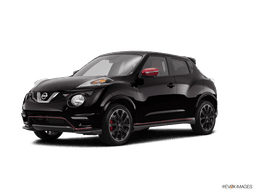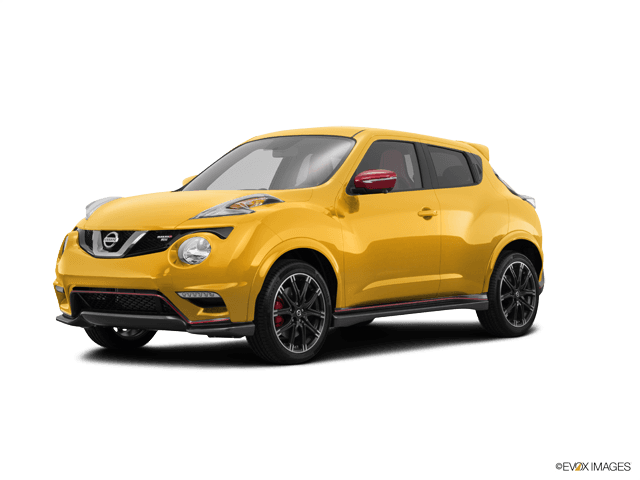









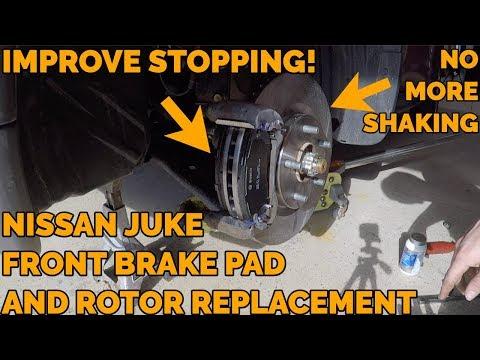






How to Replace Rear Brake Pads and Rotors on a 2011-2017 Nissan Juke (Trim: Nismo RS)
Step-by-step DIY rear brake job with tools list, parts, torque specs, parking brake tips, and bedding-in steps
How to Replace Rear Brake Pads and Rotors on a 2011-2017 Nissan Juke (Trim: Nismo RS)
Step-by-step DIY rear brake job with tools list, parts, torque specs, parking brake tips, and bedding-in steps for 2011, 2012, 2013, 2014, 2015, 2016, 2017


🔧 Juke - Rear Brake Pads & Rotor Replacement
Replacing the rear brake pads and rotors restores safe stopping power and prevents noise, vibration, and uneven braking. You’ll remove the rear wheels, swap pads/rotors, and make sure the parking brake and caliper piston are set correctly before a careful test drive.
Difficulty Level: Intermediate | Estimated Time: 2-4 hours
⚠️ Safety & Precautions
- 🛑 Work on a level surface and support the Juke with jack stands—never rely on a jack alone.
- 🛑 Release the parking brake before removing rear calipers/rotors, or parts can bind.
- 🛑 Brake dust is harmful—avoid blowing it with compressed air; use brake cleaner and a catch pan.
- 🛑 Brake fluid can damage paint—wipe spills immediately.
- 🛑 Do not press the brake pedal with a caliper removed.
- 🛑 Battery disconnect is not required for this job.
🔧 Required Tools
You'll need the following tools for this repair:
- Floor jack (rated 3-ton minimum)
- Jack stands (rated 3-ton minimum)
- Wheel chocks
- Lug nut socket 19mm
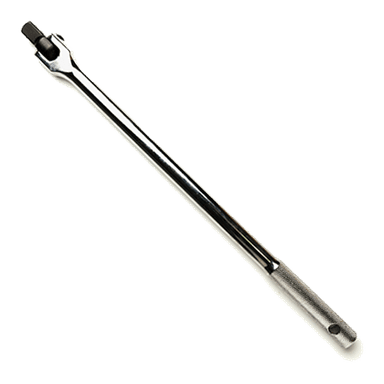
- Breaker bar 1/2"
- Torque wrench 1/2"
- Ratchet 3/8"
- Socket set (10mm, 12mm, 14mm, 17mm, 19mm)
- Open-end wrench set (14mm, 17mm)
- Flathead screwdriver (medium)
- C-clamp brake piston compressor (or caliper press tool) (specialty)
- Disc brake piston wind-back tool kit (specialty)
- Wire brush (small)
- Rubber mallet
- Bungee cord
- Needle-nose pliers
- Brake cleaner spray
- Catch pan
- Shop rags
- Nitrile gloves
- Safety glasses
🔩 Required Parts
HowToo sells all the parts you need for this repair:
- Rear brake pad set - Qty: 1
- Rear brake rotors - Qty: 2
- Brake pad hardware kit (clips/shims) - Qty: 1
- Brake caliper slide pin boots (if torn) - Qty: 1
- Brake lubricant (silicone/ceramic) - Qty: 1
- Brake cleaner - Qty: 2
- DOT 3 brake fluid - Qty: 1 pint
📋 Before You Begin
- 🧱 Park on level ground, put the transmission in 1st gear, and chock the front wheels.
- 🧯 Make sure the parking brake is fully released.
- 🧴 Open the hood and check the brake fluid level; it will rise when you push pistons back.
- 🧼 Lay out brake cleaner, rags, and a catch pan to keep everything clean.
🔨 Step-by-Step Instructions
Follow these steps in order:
Step 1: Loosen lug nuts and raise the rear
- Use a 19mm lug nut socket with a breaker bar 1/2" to crack the rear lug nuts loose 1/4 turn.
- Use a floor jack (rated 3-ton minimum) to lift the rear, then place jack stands (rated 3-ton minimum) under solid rear support points.
- Remove the wheels with the 19mm lug nut socket.
Step 2: Locate the caliper, pads, and bracket
- Turn the hub by hand and look at the rear brake assembly (caliper over the rotor).
- Use safety glasses before spraying cleaner.
Step 3: Remove the rear caliper (do not hang it by the hose)
- Use a 14mm socket and ratchet 3/8" to remove the caliper slide pin bolts (common size on Nissan rear calipers).
- Lift the caliper off the bracket. If it’s stuck, use a flathead screwdriver (medium) to gently pry at the pad ears.
- Support the caliper with a bungee cord to the suspension spring/arm.
Step 4: Remove the old pads and hardware
- Pull the pads out of the bracket by hand (wiggle them out).
- Remove the pad clips/hardware with needle-nose pliers or a flathead screwdriver (medium).
- Spray the bracket with brake cleaner spray and scrub the pad lands with a wire brush (small).
Step 5: Remove the caliper bracket
- Use a 17mm socket or 19mm socket with a breaker bar 1/2" to remove the two caliper bracket bolts.
- Set the bracket aside.
- Reinstall later and Torque to 98 Nm (72 ft-lbs).
Step 6: Remove the rotor
- If there are rotor retaining screws, remove them using a Phillips screwdriver (use firm pressure to avoid stripping).
- Pull the rotor straight off. If it’s seized, tap the rotor hat with a rubber mallet to break it loose.
- Hit the hat, not the braking surface.
Step 7: Parking brake style check (important)
- Look inside the rotor “hat” area and around the caliper to determine the style:
- If the parking brake is a small drum shoe setup inside the rotor hat (drum-in-hat), keep the parking brake released and don’t disturb the shoes unless needed.
- If the parking brake is integrated into the caliper (a cable lever on the caliper), the piston commonly must be rotated while pushing in.
Step 8: Clean the hub and install the new rotor
- Use a wire brush (small) to clean rust off the hub face (this helps prevent rotor wobble).
- Spray the new rotor with brake cleaner spray and wipe with shop rags to remove protective oil.
- Install the new rotor onto the hub. If you have retaining screws, reinstall them with a Phillips screwdriver (snug only).
Step 9: Service the slide pins (smooth movement matters)
- Pull the slide pins out of the bracket by hand.
- Wipe clean with shop rags, then apply a thin coat of brake lubricant (silicone/ceramic).
- Reinsert pins and confirm they glide easily.
Step 10: Install new hardware and pads
- Install new pad clips/hardware into the bracket (they should snap fully into place).
- Apply a very thin film of brake lubricant (silicone/ceramic) on the pad ears where they touch the clips.
- Slide the new pads into the bracket.
Step 11: Retract the caliper piston (two possible methods)
- Check the brake fluid reservoir before compressing; remove a little with a rag if it’s near MAX.
- Method A (push-in piston): Use a C-clamp brake piston compressor to slowly press the piston straight back in.
- Method B (twist-in piston): Use a disc brake piston wind-back tool kit (specialty). This tool rotates and pushes the piston at the same time (needed on many rear calipers with integrated parking brake).
- Stop when the piston is fully seated and the caliper will fit over the new thicker pads.
Step 12: Reinstall the caliper and torque bolts
- Place the caliper over the pads.
- Install the slide pin bolts using a 14mm socket and ratchet 3/8".
- Torque to 32 Nm (24 ft-lbs).
Step 13: Reinstall wheels and torque lug nuts
- Reinstall the wheels by hand-starting all lug nuts.
- Lower the Juke off the stands using the floor jack (rated 3-ton minimum).
- Use a torque wrench 1/2" with a 19mm lug nut socket to tighten in a star pattern: Torque to 113 Nm (83 ft-lbs).
Step 14: Pump the brake pedal and set final fluid level
- With the engine OFF, press the brake pedal slowly 10–15 times until it feels firm.
- Check the brake fluid reservoir and top off with DOT 3 brake fluid if needed.
✅ After Repair
- 🧪 Start the engine and confirm the brake pedal stays firm.
- 🧪 Test the parking brake operation; it should hold the Juke on a slight incline.
- 🧪 Do a cautious road test: first at low speed, then gradually higher, checking for noise, pulling, or vibration.
- 🧪 Bed-in the pads: make 6–10 medium stops from ~40 km/h to 10 km/h, allowing short cool-down between stops. Avoid hard panic stops for the first 200 km.
- 🧼 Recheck lug nut torque after 50–100 km: 113 Nm (83 ft-lbs).
💰 DIY vs Shop Cost
Shop Cost: ₹12,000-₹25,000 (parts + labor)
DIY Cost: ₹6,000-₹16,000 (parts only)
You Save: ₹6,000-₹9,000 by doing it yourself!
Shop labor rates vary but typically run ₹800-₹2,000/hour. This repair takes a shop approximately 2-3 hours.
🎯 Ready to get started?
HowToo makes it easy: same-day/2-day shipping on every part, plus all the tools and specialty tools you need! Check out the parts and tools sections below to add everything to your cart.
Assumption: Rear caliper bolt sizes and parking-brake style can vary by build; steps include both piston types and common Nissan fastener sizes.