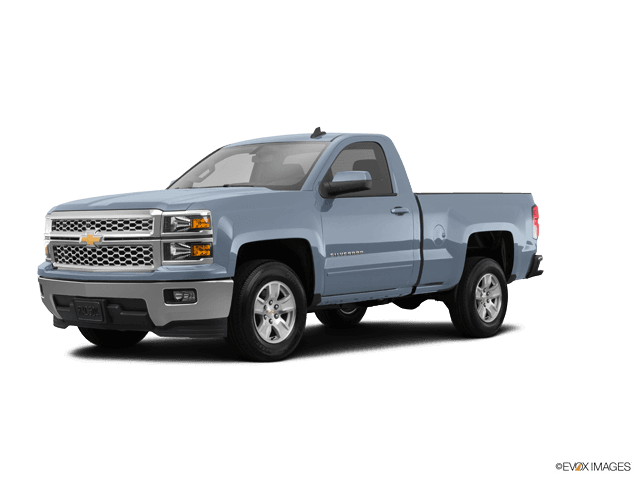









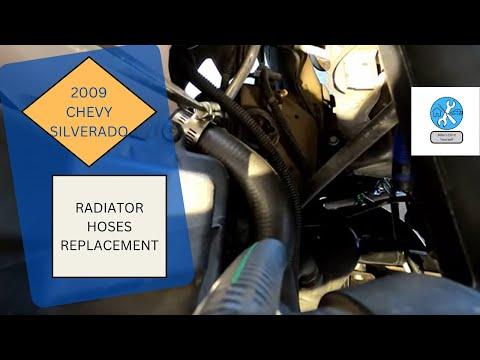





How to Replace Radiator Hoses on a 2014-2018 Chevrolet Silverado 1500 (Engine: V6 4.3L)
Step-by-step DIY radiator hose replacement with tools, parts list, coolant refill, bleeding, and safety tips for your 2015 Silverado 1500
How to Replace Radiator Hoses on a 2014-2018 Chevrolet Silverado 1500 (Engine: V6 4.3L)
Step-by-step DIY radiator hose replacement with tools, parts list, coolant refill, bleeding, and safety tips for your 2015 Silverado 1500 for 2014, 2015, 2016, 2017, 2018


Silverado 1500 - Radiator Hose Replacement 🚚
I’ll walk you through replacing both upper and lower radiator hoses on your Silverado. If you only want to do one of them, you can just follow the steps that apply to that hose.
Important safety: Only work on the cooling system when the engine is completely cold. Hot coolant can cause serious burns.
Tools & Supplies 🧰
- 🛠️ Socket set (metric): 8mm, 10mm, 13mm sockets, ratchet, short extension
- 🛠️ Flat-blade screwdriver (for hose clamps and prying gently)
- 🛠️ Pliers (regular slip-joint or dedicated hose clamp pliers – a tool that grips spring clamps safely)
- 🛠️ Utility knife or hose pick tool (a small hooked tool to break the hose loose if it’s stuck)
- 🛠️ Drain pan (at least 3–4 gallons capacity)
- 🛠️ Funnel
- 🛠️ Shop towels / rags
- 🛠️ Optional: Torque wrench (for hose clamp bolts if using worm-gear clamps; 35–44 in‑lb is typical light clamp torque)
- 🛠️ Optional: Jack and jack stands (if you want more room under the front; always support the truck with stands, never just the jack)
Parts & Fluids 🧩
- 🧊 Upper radiator hose (2015 Silverado 1500 5.3L, 4WD, LT)
- 🧊 Lower radiator hose
- 🧊 New hose clamps (if your new hoses don’t come with them; spring clamps are OEM style)
- 🧊 Dex‑Cool compatible coolant (orange; 50/50 premix is easiest). Plan on about 2–3 gallons to refill/bleed after a drain.
Prep & Safety 🦺
- 🧯 Park on a level surface, set the parking brake, and put the transmission in PARK.
- 🧯 Let the engine cool for several hours until the upper hose is cold to the touch.
- 🧯 Disconnect the negative battery cable with a 10mm socket if you’ll be working near the fan wiring. The electric fan can turn on unexpectedly.
- 🧯 Wear gloves and safety glasses.
Step 1 – Relieve Pressure & Access Area 🔧
- 🧊 Slowly loosen the coolant reservoir cap (on the plastic tank) to release any leftover pressure. If you hear hissing, wait until it stops, then remove the cap.
- 🧊 Remove any plastic covers over the radiator area if equipped (usually held by plastic clips or 10mm bolts).
Step 2 – Drain Enough Coolant 💧
- 🪣 Slide your drain pan under the lower radiator area.
- 🪣 On many Silverados, there is a radiator drain petcock (small plastic valve) at the bottom of the radiator on the driver side. Turn it counterclockwise by hand or with pliers gently and let coolant drain.
- 🪣 If there is no easy drain, you can loosen the lower radiator hose at the radiator and let coolant drain into the pan. This is messier but works.
- 🪣 Drain at least 1–2 gallons so the level is below both hose connections.
- 🪣 When done, close the drain petcock snugly (hand tight; do not overtighten) or leave the lower hose off until you install the new one.
Step 3 – Remove the Upper Radiator Hose 🔝
- 🧰 Locate the upper hose: it runs from the top of the radiator (passenger side) to the engine near the thermostat housing/front of engine.
- 🧰 Identify the clamp type:
- Spring clamp: looks like a ring with two tabs. Use pliers to squeeze the tabs together and slide the clamp back on the hose.
- Worm-gear clamp: has a screw. Use a flat screwdriver or 8mm socket to loosen it and slide it back.
- 🧰 Do this at both ends of the hose and slide the clamps away from the connection points.
- 🧰 Twist the hose gently to break it loose. If it’s stuck:
- Use a hose pick tool to carefully work around the inside edge of the hose end.
- Or carefully slice along the length of the hose end with a utility knife (don’t cut into the metal/plastic neck).
- 🧰 Pull the hose off the radiator and engine fittings. Some coolant may spill; keep the drain pan under it.
Step 4 – Install the New Upper Hose ✅
- 🧩 Compare the old and new hose to make sure shape and length match.
- 🧩 Slide the clamps onto the new hose first (one near each end).
- 🧩 Push the hose fully onto the radiator neck and engine neck until it bottoms out.
- 🧩 Position the clamps just behind the raised bead on the necks (this bead keeps the hose from slipping off).
- 🧩 Tighten:
- Spring clamps: release the pliers so the clamp grips firmly.
- Worm-gear clamps: snug them so the hose is secure but not crushed. If using a torque wrench, aim around 35–44 in‑lb (not ft‑lb).
Step 5 – Remove the Lower Radiator Hose 🔻
- 🧰 The lower hose runs from the bottom of the radiator (usually driver side) to the engine/water pump area.
- 🧰 You may want the front slightly raised on jack stands for better access. If so:
- Jack up the front at the frame, place jack stands under the frame rails, and lower the truck onto them.
- 🧰 Repeat the clamp removal process at both ends (spring or worm-gear).
- 🧰 Twist and pull the hose off. More coolant will drain; keep the pan under the lowest point.
Step 6 – Install the New Lower Hose ✅
- 🧩 Match the new hose to the old one for shape and orientation.
- 🧩 Slide clamps onto the hose.
- 🧩 Push the hose fully onto the radiator and engine fittings.
- 🧩 Position and tighten the clamps as you did for the upper hose.
- 🧩 Double-check that the hose is not rubbing on the fan, belts, or sharp edges.
Step 7 – Refill Coolant & Bleed Air 🧊
- 🧃 Make sure the drain petcock is closed and all hoses are clamped.
- 🧃 Using a funnel, fill the coolant reservoir with 50/50 Dex‑Cool mix up to the COLD mark.
- 🧃 Fill slowly; air will burp out into the tank.
- 🧃 Reinstall the reservoir cap loosely for now (or leave it off but be ready to put it on if coolant starts to splash).
- 🧃 Reconnect the negative battery cable if you removed it.
- 🧃 Start the engine and let it idle. Turn the heater to HOT and fan on low. This helps circulate coolant through the heater core.
- 🧃 Watch the coolant level in the reservoir. As the engine warms up, the thermostat will open and the level may drop; add more coolant as needed.
- 🧃 Let the engine reach normal operating temperature. The upper hose should get hot once the thermostat opens.
- 🧃 When bubbles stop and the level stabilizes, bring the level to the FULL HOT mark if the engine is warm, or FULL COLD after it cools down.
- 🧃 Shut off the engine and let it cool completely. Recheck the level and top off if needed.
Step 8 – Final Checks & Clean-Up 🧽
- 🧪 Inspect all hose connections for leaks with the engine running and after a short drive.
- 🧪 Make sure the electric fan can spin freely and nothing is touching it.
- 🧪 Dispose of old coolant properly. Coolant is toxic to people and animals.
Typical Shop Torque & Notes 📏
- 🧷 Hose clamps (worm-gear): about 35–44 in‑lb (snug, not crushing).
- 🧷 Radiator drain petcock: hand tight only; it’s plastic and can crack if overtightened.
If you tell me whether you’re using jack stands or keeping the truck on the ground, I can add a short note specific to your setup and help you with a quick leak-check routine after your first test drive.
HowToo makes it easy: below this answer you’ll see the correct hoses, clamps, coolant, and any tools you’re missing. You can add them to your cart right from the parts section for fast shipping. 🚚