














How to Replace Radiator Hoses on a 2005-2015 Toyota Tacoma (Engine: Inline 4 2.7L)
Step-by-step DIY guide with tools, coolant refill, bleeding tips, and leak checks
How to Replace Radiator Hoses on a 2005-2015 Toyota Tacoma (Engine: Inline 4 2.7L)
Step-by-step DIY guide with tools, coolant refill, bleeding tips, and leak checks for 2005, 2006, 2007, 2008, 2009, 2010, 2011, 2012, 2013, 2014, 2015


🔧 Tacoma - Radiator Hose Replacement
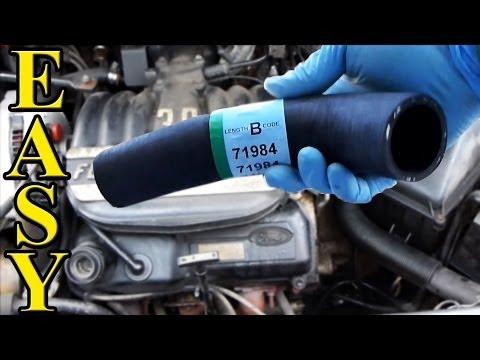
Replacing a radiator hose on your Tacoma means draining some coolant, removing the old hose, installing the new hose, and refilling the cooling system. A cracked, swollen, leaking, or soft radiator hose should be replaced before it fails and causes overheating.
Difficulty Level: Beginner | Estimated Time: 1-2 hours
⚠️ Safety & Precautions
- ⚠️ Only work on the cooling system when the engine is completely cold. Hot coolant can spray out and cause serious burns.
- ⚠️ Do not remove the radiator cap when the engine is hot.
- ⚠️ Coolant is poisonous to people and pets. Catch all drained coolant and clean spills right away.
- ⚠️ Keep coolant off belts and painted surfaces. Rinse with clean water if spilled.
- ⚠️ Battery disconnect is not required for this repair.
🔧 Required Tools
You'll need the following tools for this repair:
- 10mm socket
- 3/8-inch drive ratchet
- 3/8-inch drive extension
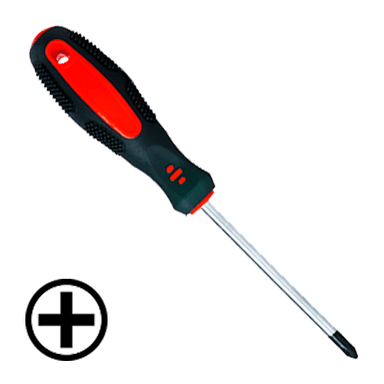
- Phillips screwdriver #2
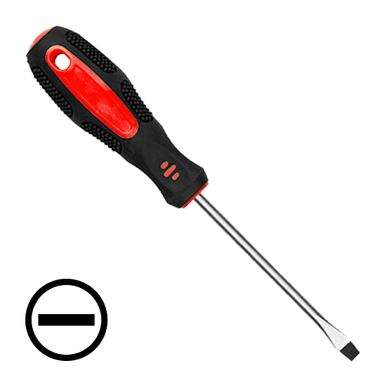
- Flathead screwdriver 1/4-inch
- Hose clamp pliers 45-degree (specialty)
- Slip-joint pliers 10-inch
- Plastic trim clip remover
- Drain pan 2-gallon minimum
- Funnel with long neck
- Coolant hydrometer or refractometer (specialty)
- Shop towels
- Nitrile gloves
- Safety glasses
🔩 Required Parts
HowToo sells all the parts you need for this repair:
- Upper radiator hose - Qty: 1
- Lower radiator hose - Qty: 1
- Radiator hose clamps - Qty: 4
- Toyota-compatible pink long-life coolant, premixed 50/50 - Qty: 2 gallons
- Radiator drain cock gasket - Qty: 1
📋 Before You Begin
- 🚗 Park your Tacoma on level ground and set the parking brake.
- 🧊 Let the engine cool fully, ideally several hours after driving.
- 🧤 Put on safety glasses and nitrile gloves before opening the cooling system.
- 🪣 Place the drain pan under the radiator drain area on the lower passenger side of the radiator.
- 📝 This guide covers replacing the upper radiator hose, lower radiator hose, or both. If you are only replacing one hose, follow the matching removal steps and still refill/bleed the cooling system afterward.
🔨 Step-by-Step Instructions
Follow these steps in order:
Step 1: Remove the Front Skid Plate if Equipped
- Use a 10mm socket, 3/8-inch drive ratchet, and 3/8-inch drive extension to remove the skid plate bolts.
- Support the skid plate with one hand as you remove the last bolt.
- Set the skid plate and bolts aside in order.
- When reinstalling later, tighten the skid plate bolts snugly. If using a torque wrench, Torque to 29 Nm (21 ft-lbs).
Step 2: Remove the Radiator Cap
- Use your hand with a shop towel over the cap.
- Push down and turn the radiator cap counterclockwise to the first stop.
- Pause for a few seconds, then push down again and remove it fully.
- Cold engine only.
Step 3: Drain Some Coolant
- Place the drain pan 2-gallon minimum under the radiator drain cock.
- The drain cock is the small plastic drain valve at the lower area of the radiator.
- Use your hand first. If tight, use slip-joint pliers 10-inch very gently to turn the drain cock counterclockwise.
- Drain enough coolant so the level is below the hose you are replacing. For both hoses, drain about 1-1.5 gallons.
- Close the drain cock by hand. Do not overtighten it.
- If the drain cock gasket looks flattened or damaged, replace it now.
Step 4: Remove Intake Ducting for Access
- Use a Phillips screwdriver #2 or 10mm socket to loosen the air intake hose clamp at the air box if it blocks your hand access.
- Use a plastic trim clip remover to lift any plastic clips holding the intake duct.
- Move the duct aside carefully. Do not pull hard on nearby wiring or vacuum hoses.
Step 5: Remove the Upper Radiator Hose
- Use hose clamp pliers 45-degree to squeeze the spring clamp ears at the radiator end of the upper hose.
- A spring clamp is a factory clamp that squeezes the hose using spring tension instead of a screw.
- Slide the clamp several inches back onto the hose.
- Repeat at the engine end of the upper hose using hose clamp pliers 45-degree.
- Twist the hose by hand to break it loose.
- If it is stuck, use a flathead screwdriver 1/4-inch to gently lift only the hose edge. Do not gouge the metal or plastic fitting.
- Pull the hose off both fittings and keep the ends pointed upward to avoid spilling coolant.
Step 6: Remove the Lower Radiator Hose
- Move the drain pan under the lower radiator hose area.
- Use hose clamp pliers 45-degree to squeeze the lower hose clamp at the radiator outlet.
- Slide the clamp back onto the hose.
- Use hose clamp pliers 45-degree to squeeze the clamp at the engine/water inlet end.
- Slide that clamp back onto the hose.
- Twist the lower hose by hand until it breaks free.
- If stuck, use a flathead screwdriver 1/4-inch carefully at the hose lip only.
- Remove the hose and let remaining coolant drain into the pan.
Step 7: Clean and Inspect the Hose Fittings
- Use shop towels to wipe the radiator and engine hose necks clean.
- Check the radiator plastic necks for cracks or chips.
- Check the metal engine fittings for corrosion or heavy pitting.
- If a fitting is cracked, stop and replace the damaged part before installing the hose.
- Clean fittings prevent leaks.
Step 8: Install the New Lower Radiator Hose
- Compare the new lower hose to the old hose before installation.
- Slide the new clamps onto the hose, facing the clamp ears where you can reach them later with hose clamp pliers 45-degree.
- Push the hose fully onto the radiator outlet and engine fitting by hand.
- Use hose clamp pliers 45-degree to position each clamp behind the raised bead on the fitting.
- The raised bead is the small ridge that helps keep the hose from sliding off.
- Make sure the hose is not twisted and does not rub the fan, belt, or sharp brackets.
Step 9: Install the New Upper Radiator Hose
- Compare the new upper hose to the old hose before installation.
- Slide the new clamps onto the hose in the same orientation as the originals.
- Push the hose fully onto the radiator neck and engine outlet by hand.
- Use hose clamp pliers 45-degree to place each clamp behind the raised bead.
- Check that the hose is seated evenly all the way around.
Step 10: Reinstall Intake Ducting
- Place the intake duct back into position by hand.
- Use a Phillips screwdriver #2 or 10mm socket to tighten the air intake hose clamp until snug.
- Use a plastic trim clip remover by hand to guide any clips back into place if needed.
- Do not overtighten plastic intake parts.
Step 11: Refill the Cooling System
- Insert the funnel with long neck into the radiator filler neck.
- Slowly add Toyota-compatible pink long-life coolant, premixed 50/50 until the radiator is full.
- Fill the coolant reservoir to the “FULL” mark.
- Pause often while filling so trapped air can escape.
- Use a coolant hydrometer or refractometer to verify freeze protection if mixing or topping off unknown coolant.
Step 12: Bleed Air from the Cooling System
- Leave the radiator cap off.
- Start the engine and set the heater to full hot with the blower on low.
- Watch the coolant level in the radiator.
- As air bubbles come out, add more coolant using the funnel with long neck.
- Let the engine warm up until the upper radiator hose becomes hot, which means the thermostat has opened.
- A thermostat is a temperature-controlled valve that lets coolant flow through the radiator when the engine warms up.
- When bubbles stop and the level stays steady, install the radiator cap by hand.
Step 13: Reinstall the Skid Plate
- Lift the skid plate into place by hand.
- Start all bolts by hand first to avoid cross-threading.
- Use a 10mm socket, 3/8-inch drive ratchet, and 3/8-inch drive extension to tighten the bolts.
- Torque to 29 Nm (21 ft-lbs).
Step 14: Final Leak Check
- Use a flashlight if available and inspect both hose ends for seepage.
- Use shop towels to dry any wet areas, then recheck.
- Make sure both hose clamps are fully behind the raised beads.
- If a clamp is misplaced, use hose clamp pliers 45-degree to reposition it with the engine cool.
✅ After Repair
- ✅ Drive your Tacoma for 10-15 minutes while watching the temperature gauge. It should stay in the normal range.
- ✅ Park on level ground and check for leaks again after the engine cools.
- ✅ Recheck the coolant level in the radiator and reservoir the next morning when cold.
- ✅ Top off only with Toyota-compatible pink long-life coolant, premixed 50/50.
- ✅ Dispose of old coolant at a recycling center or auto parts store that accepts used coolant.
💰 DIY vs Shop Cost
Shop Cost: $180-$350 (parts + labor)
DIY Cost: $45-$120 (parts only)
You Save: $135-$230 by doing it yourself!
Shop labor rates vary but typically run $100-$150/hour. This repair takes a shop approximately 1-1.5 hours.
🎯 Ready to get started?
HowToo makes it easy: same-day/2-day shipping on every part, plus all the tools and specialty tools you need! Check out the parts and tools sections below to add everything to your cart.
Guide for Radiator Coolant Hose replace for these Toyota vehicles
| Year Make Model | Sub Model | Engine | Body Style |
|---|---|---|---|
| 2015 Toyota Tacoma | - | V6 4.0L | - |
| 2014 Toyota Tacoma | - | V6 4.0L | - |
| 2013 Toyota Tacoma | - | V6 4.0L | - |
| 2012 Toyota Tacoma | - | V6 4.0L | - |
| 2011 Toyota Tacoma | - | V6 4.0L | - |
| 2010 Toyota Tacoma | - | V6 4.0L | - |
| 2009 Toyota Tacoma | - | V6 4.0L | - |
| 2008 Toyota Tacoma | - | V6 4.0L | - |
| 2007 Toyota Tacoma | - | V6 4.0L | - |
| 2006 Toyota Tacoma | - | V6 4.0L | - |
| 2005 Toyota Tacoma | - | V6 4.0L | - |