









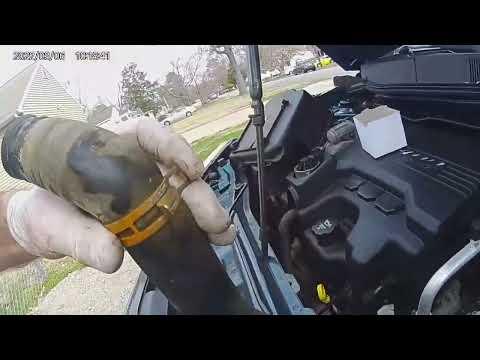





How to Replace Radiator Hoses on a 2010-2017 Chevrolet Equinox (Engine: V6 3.6L)
Step-by-step DIY radiator hose change with tools, parts list, coolant refill, bleeding, safety tips, and cost savings
How to Replace Radiator Hoses on a 2010-2017 Chevrolet Equinox (Engine: V6 3.6L)
Step-by-step DIY radiator hose change with tools, parts list, coolant refill, bleeding, safety tips, and cost savings for 2010, 2011, 2012, 2013, 2014, 2015, 2016, 2017


🔧 Equinox - Radiator Hose Replacement
Radiator hoses carry coolant between the engine and radiator to keep the engine at the right temperature. When a hose gets soft, cracked, or starts leaking, it should be replaced before it bursts and overheats the engine. You’ll drain some coolant, swap the hose, then refill and bleed the system.
Difficulty Level: Beginner-Intermediate | Estimated Time: 1–2 hours
⚠️ Safety & Precautions
- 🔥 Only work on the cooling system with the engine completely cool; hot coolant can cause serious burns.
- ⚡ Keep the ignition OFF and remove the key while working under the hood.
- 🧯 Coolant is toxic to people and animals; avoid skin contact and clean spills immediately.
- 🌫 Work in a well‑ventilated area and keep coolant away from children and pets.
- 🧤 Wear safety glasses and gloves whenever opening the cooling system.
- ♻️ Collect old coolant in a drain pan and dispose of it at a proper recycling facility.
- 🚗 If you need to raise the front of your Equinox, always use a floor jack and jack stands. Never rely on the jack alone.
🔧 Required Tools
You'll need the following tools for this repair:
- Ratchet handle 3/8"
- 10mm socket
- 8mm socket
- Socket extension 3"
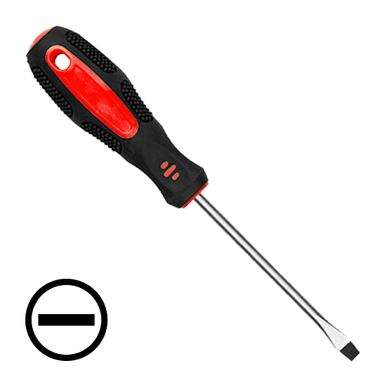
- Flathead screwdriver medium
- Hose clamp pliers (specialty)
- Adjustable pliers 10"
- Drain pan 10-quart
- Funnel with small spout
- Plastic trim tool set
- Utility knife or hose pick tool (specialty)
- Shop rags
- Floor jack (rated 3-ton minimum)
- Jack stands (rated 3-ton minimum)
- Safety glasses
- Mechanic gloves
🔩 Required Parts
HowToo sells all the parts you need for this repair:
- Upper radiator hose (engine to top of radiator) - Qty: 1
- Lower radiator hose (engine to bottom of radiator) - Qty: 1
- Radiator hose clamps (spring or screw type, correct size) - Qty: 4
- Dex-Cool compatible coolant (50/50 premix) - Qty: 2–3 gallons
- Coolant reservoir cap (optional, if worn or damaged) - Qty: 1
- Anti-corrosion coolant sealant tabs (if recommended by supplier) - Qty: As specified
📋 Before You Begin
- Park your Equinox on level ground, shift to Park, and set the parking brake.
- Let the engine cool completely—ideally several hours, or overnight.
- Open the hood and locate the upper and lower radiator hoses:
- Upper hose: From top of radiator (front of vehicle) to top/front of engine.
- Lower hose: From bottom of radiator to thermostat housing on engine.
- Place the drain pan under the radiator drain area before opening anything.
🔨 Step-by-Step Instructions
Follow these steps in order:
Step 1: Confirm which hose(s) you are replacing
- Visually inspect the upper hose and lower hose for cracks, bulges, soft spots, or leaks.
- If one looks bad, the other is usually not far behind. Best to replace both.
Step 2: Safely raise the front (mainly for lower hose)
- Use the floor jack (rated 3-ton minimum) to lift the front center jacking point behind the front bumper.
- Place jack stands (rated 3-ton minimum) under the proper pinch weld or frame points and gently lower the vehicle onto the stands.
- Give the vehicle a light shake to confirm it is stable.
Step 3: Remove the plastic engine cover (if equipped)
- Pull up gently at the corners of the engine cover by hand; it is held on by rubber grommets.
- If needed, use a plastic trim tool set to pry gently so you don’t scratch plastic.
Step 4: Relieve any residual pressure
- Set the drain pan 10-quart under the radiator drain area, at the lower passenger side of the radiator.
- Slowly loosen the coolant reservoir cap by hand to release any remaining pressure. If you hear hissing, pause until it stops.
Step 5: Drain enough coolant
- Locate the radiator drain plug (also called a petcock) at the bottom of the radiator, passenger side.
- Use a flathead screwdriver medium to turn the plastic drain plug counterclockwise and let coolant flow into the drain pan.
- Drain at least 1–1.5 gallons so the level falls below both hose connections.
- Close the drain plug with the flathead screwdriver medium once drainage slows to a drip. Do not overtighten plastic.
Step 6: Remove the upper radiator hose clamps
- On your Equinox, the hose clamps are usually spring-style. These are clamps that squeeze open and spring closed.
- Use hose clamp pliers (specialty) or adjustable pliers 10" to squeeze the ears of the clamp at the radiator end of the upper hose.
- While squeezing, slide the clamp back along the hose away from the radiator neck.
- Repeat at the engine end of the upper hose and slide that clamp back as well.
Step 7: Remove the upper radiator hose
- Try to twist the hose at the radiator connection by hand to break it loose, then pull it off the radiator neck.
- If it is stuck, carefully slide a hose pick tool (specialty) or the tip of the flathead screwdriver medium under the edge of the hose to break the seal. Do not gouge plastic neck.
- Do the same at the engine side and remove the upper hose completely.
- Have shop rags handy for any remaining drips of coolant.
Step 8: Remove the lower radiator hose clamps
- Move your drain pan 10-quart under the lower hose area in case more coolant spills.
- From underneath the front of the vehicle, locate the lower hose where it connects to the bottom of the radiator.
- Use hose clamp pliers (specialty) or adjustable pliers 10" to squeeze and slide the clamp back from the radiator connection.
- Follow the hose to the engine side (thermostat housing) and slide that clamp back as well using the same tool.
Step 9: Remove the lower radiator hose
- Twist the hose at the radiator side and pull it off; be ready for more coolant to drain into the drain pan 10-quart.
- If stuck, carefully use the hose pick tool (specialty) or flathead screwdriver medium to loosen the hose seal.
- Repeat at the engine side and remove the lower hose.
Step 10: Inspect the hose fittings and clean them
- Inspect the radiator necks and engine fittings for cracks or deep corrosion.
- Use shop rags to wipe the fittings clean so the new hoses seal properly.
Step 11: Install the new upper radiator hose
- Slide the new upper radiator hose into place, routing it the same way as the old one.
- Make sure the hose is fully seated on the radiator neck and engine fitting.
- Position the existing or new clamps at least 1/4" from the end of the hose and over the raised bead on the neck.
- Use hose clamp pliers (specialty) or adjustable pliers 10" to release the clamps and let them tighten around the hose.
Step 12: Install the new lower radiator hose
- Route the new lower radiator hose to match the old path, avoiding sharp bends or contact with moving parts.
- Push the hose fully onto the radiator and engine fittings.
- Use hose clamp pliers (specialty) to move and release the clamps into position over the raised beads.
- Double-check that all clamps are sitting straight and fully clamping the hose.
Step 13: Reinstall engine cover
- Line up the engine cover with its mounting points.
- Press down firmly by hand at each corner until it snaps into place.
Step 14: Lower the vehicle
- Use the floor jack (rated 3-ton minimum) to lift the front slightly, then remove the jack stands (rated 3-ton minimum).
- Gently lower the vehicle to the ground.
Step 15: Refill the cooling system
- Make sure the radiator drain plug is closed.
- Place the funnel with small spout into the coolant reservoir.
- Pour in Dex-Cool compatible coolant (50/50 premix) until the reservoir is at the "FULL COLD" mark.
- You may need to add more as air works out; keep the jug handy.
Step 16: Bleed air from the system
- With the reservoir cap still off, start the engine and set the cabin heater to maximum heat with the fan on medium.
- Let the engine idle and warm up. Watch the coolant level in the reservoir and add as needed to keep it near the "FULL COLD" line.
- Once the upper hose feels warm and you see the coolant circulation, small air bubbles may appear and then stop.
- When bubbles stop and level stabilizes, shut off the engine and top up to the "FULL COLD" mark.
- Install the reservoir cap by hand and tighten firmly.
Step 17: Final leak check
- With the engine running and warmed up, visually inspect all four hose connections (both ends of both hoses).
- Use shop rags to wipe around each joint and look for wet spots.
- Shut off the engine and recheck again after 10–15 minutes for any drips under the vehicle.
✅ After Repair
- Take your Equinox for a short 10–15 minute drive, using both city and some higher-speed roads.
- Watch the temperature gauge; it should stay in its normal middle range. If it climbs toward hot, stop and shut off the engine.
- After the engine cools completely, recheck the coolant level in the reservoir and top off to the "FULL COLD" mark if needed.
- Check under the vehicle and around all hose connections again over the next couple of drives for any fresh leaks.
💰 DIY vs Shop Cost
Shop Cost: $250–$450 (parts + labor, both hoses)
DIY Cost: $70–$150 (parts only, both hoses and coolant)
You Save: $180–$300 by doing it yourself!
Shop labor rates vary but typically run $100–$150/hour. This repair takes a shop approximately 1.0–1.5 hours.
🎯 Ready to get started?
HowToo makes it easy: same-day/2-day shipping on every part, plus all the tools and specialty tools you need! Check out the parts and tools sections above to add everything to your cart.
Guide for Radiator Coolant Hose replace for these Chevrolet vehicles
| Year Make Model | Sub Model | Engine | Body Style |
|---|---|---|---|
| 2017 Chevrolet Equinox | - | Inline 4 2.4L | - |
| 2016 Chevrolet Equinox | - | Inline 4 2.4L | - |
| 2015 Chevrolet Equinox | - | Inline 4 2.4L | - |
| 2014 Chevrolet Equinox | - | Inline 4 2.4L | - |
| 2013 Chevrolet Equinox | - | Inline 4 2.4L | - |
| 2012 Chevrolet Equinox | - | Inline 4 2.4L | - |
| 2011 Chevrolet Equinox | - | Inline 4 2.4L | - |
| 2010 Chevrolet Equinox | - | Inline 4 2.4L | - |