









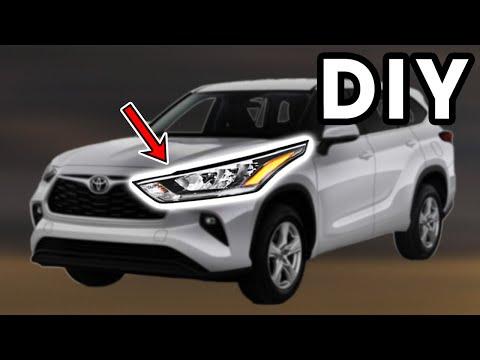





How to Replace LED Headlight Assemblies on a 2022 Toyota Highlander
Step-by-step DIY bumper removal and headlight swap guide with tools, parts list, torque specs, and safety tips for 2021, 2022, 2023, 2024
How to Replace LED Headlight Assemblies on a 2022 Toyota Highlander
Step-by-step DIY bumper removal and headlight swap guide with tools, parts list, torque specs, and safety tips for 2021, 2022, 2023, 2024


🔧 Highlander - Headlight Assembly Replacement
On your Highlander XSE, the main headlight “bulbs” (low and high beam) are built-in LEDs inside the headlight housing. They are not removable like old-style halogen bulbs, so to fix a dead or dim headlight you replace the entire headlight assembly on that side.
This guide covers removing the front bumper cover, swapping each headlight assembly, and refitting everything correctly.
Difficulty Level: Advanced | Estimated Time: 3–4 hours
⚠️ Safety & Precautions
- ⚠️ Park on a flat surface, engage the parking brake, and keep the transmission in P.
- ⚠️ Turn the ignition off and remove the key (or turn off the push button and open the driver door to power down).
- ⚠️ Disconnect the negative battery terminal before unplugging headlight wiring to avoid short circuits or warning lights.
- ⚠️ Support the bumper cover carefully; it is flexible but can crack if bent too far.
- ⚠️ Keep track of all clips and screws; missing clips can cause bumper vibration or misalignment.
- ⚠️ Avoid touching any exposed LED driver or connector pins with metal tools.
🔧 Required Tools
You'll need the following tools for this repair:
- 🛠️ 10mm socket
- 🛠️ 12mm socket
- 🛠️ 1/4" drive ratchet
- 🛠️ 1/4" drive extension (3–6")
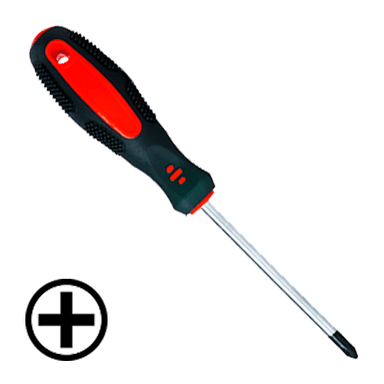
- 🛠️ Phillips #2 screwdriver
- 🛠️ Flathead screwdriver (small)
- 🛠️ Plastic trim clip removal tool
- 🛠️ Plastic trim pry tool set
- 🛠️ Needle-nose pliers
- 🛠️ Torque wrench (inch-pound, 20–150 in-lb range)
- 🛠️ Torque wrench (foot-pound, 5–50 ft-lb range)
- 🛠️ Work light or headlamp
- 🛠️ Fender covers or clean towels
- 🛠️ Mechanic’s gloves
- 🛠️ Safety glasses
- 🛠️ Floor jack (rated 2-ton minimum)
- 🛠️ Jack stands (rated 2-ton minimum)
- 🛠️ Wheel chocks
🔩 Required Parts
HowToo sells all the parts you need for this repair:
- 🔩 Left headlight assembly (LED, XSE trim) - Qty: 1 (if replacing left side)
- 🔩 Right headlight assembly (LED, XSE trim) - Qty: 1 (if replacing right side)
- 🔩 Front bumper cover push clips - Qty: 10–15 Good to have spares
- 🔩 Headlight to body mounting bolts (10mm) - Qty: 2–4 per side Only if originals are damaged
- 🔩 Dielectric grease (for electrical connectors) - Qty: 1 small tube
- 🔩 Masking tape (for protecting paint edges) - Qty: 1 roll
📋 Before You Begin
- Park the Highlander on level ground, straighten the steering wheel, and set the parking brake.
- Place wheel chocks behind the rear wheels so the vehicle cannot roll.
- If you want more room at the wheel wells, slightly raise the front with the floor jack and support with jack stands under the proper front support points.
- Open the hood and support it with the hood prop rod.
- Disconnect the negative battery terminal using a 10mm socket, move the cable aside so it cannot spring back.
- Lay towels or fender covers over the front fenders and bumper edges to protect paint.
🔨 Step-by-Step Instructions
Follow these steps in order:
Step 1: Remove upper radiator cover and top bumper fasteners
- Use the plastic trim clip removal tool to pop up the plastic clips holding the black plastic cover at the front of the engine bay (above the grille).
- Lift the cover off and set it aside.
- Along the top edge of the bumper (just under where that cover sat), use a 10mm socket to remove the bolts and any additional clips securing the bumper to the upper core support.
- Keep the bolts and clips organized; left and right sides should go back where they came from.
Step 2: Remove front wheel well fasteners
- Turn the steering wheel fully to the left to access the right inner fender (wheel well) liners. Then turn fully to the right to access the left side.
- On one side, use the Phillips #2 screwdriver or 10mm socket (depending on which fastener type you see) to remove the screws/bolts at the front edge of the wheel well where the liner meets the bumper cover.
- Use the plastic trim clip removal tool to remove any plastic clips holding the liner to the bumper at the front corner.
- Gently pull the front of the liner back just enough to see inside behind the bumper corner.
- Repeat for the opposite side.
Step 3: Release bumper from fenders at the corners
- Behind the loosened inner fender liner near the bumper corner, locate the small bolts or screws that secure the bumper to the fender edge.
- Use a 10mm socket or Phillips #2 screwdriver to remove these fasteners.
- With fasteners removed, gently pull the bumper corner outward where it meets the fender to release the plastic retaining tabs.
- Use a plastic trim pry tool if needed to help, but do not force it hard to avoid breaking tabs.
- Repeat on the other side. The bumper should now be free at both corners.
Step 4: Remove lower bumper fasteners
- Slide under the front of the vehicle (use jack stands if you jacked it up).
- Use the 10mm socket and Phillips #2 screwdriver to remove bolts and screws along the bottom edge of the bumper where it meets the splash shield and underbody panels.
- Use the plastic trim clip removal tool for any remaining push clips.
- Support the bumper with your knee or a helper as you remove the last few fasteners so it does not drop suddenly.
Step 5: Disconnect electrical connectors and remove bumper cover
- With all fasteners removed, pull the bumper cover forward slowly from the front of the vehicle.
- Before fully removing it, reach behind to find connectors for fog lights, parking sensors, and any other front sensors.
- Press the locking tabs and unplug these using your fingers or needle-nose pliers gently if needed.
- Lift the bumper cover away and place it on a soft blanket or cardboard, face up, to avoid scratching.
Step 6: Remove the headlight mounting bolts
- Now you can see the full headlight unit exposed on each side.
- Use masking tape along the fender edge and bumper edge near the headlight to protect paint while removing it.
- Use a 10mm socket with ratchet and extension to remove the bolts on top, at the side, and possibly one hidden lower bolt securing the headlight to the body.
- There may also be a locating tab that slides into a bracket; do not force it—slide it straight out.
- Tightening spec for these bolts when reinstalling: Torque to 5–7 Nm (44–62 in-lbs)
Step 7: Disconnect headlight wiring harness
- Before pulling the headlight completely out, find the main headlight wiring connector at the rear of the assembly.
- Press the small locking tab and unplug the connector by hand, or use needle-nose pliers gently on the plastic tab only.
- If there are any additional small connectors (for DRL or side marker), unplug those as well.
- Carefully remove the headlight assembly from the vehicle and set it on a clean, soft surface.
Step 8: Prepare and install the new headlight assembly
- Compare the new headlight with the old one to make sure mounting points and connectors match exactly.
- Put a tiny amount of dielectric grease on the electrical connector pins (on the plastic, not on surrounding surfaces) to help prevent corrosion.
- Carefully position the new headlight into the opening, aligning the lower locating pin/tab into its bracket and the side tabs with the body.
- Reconnect the main wiring connector and any additional connectors until they click into place.
- Install the 10mm mounting bolts by hand first, then snug them with the 10mm socket.
- Torque headlight bolts to 5–7 Nm (44–62 in-lbs) using the inch-pound torque wrench.
Step 9: Temporarily power up and test the headlight
- Reconnect the negative battery terminal using the 10mm socket and tighten securely.
- Turn the ignition on and switch on low beams, high beams, and DRLs to confirm the new headlight operates correctly.
- Turn signals and parking lights should also be checked now.
- Turn the ignition off again and disconnect the negative battery cable once more before reassembling the bumper.
Step 10: Reinstall the bumper cover
- With the headlights confirmed working, lift the bumper cover back into position with a helper if possible.
- Hold the bumper close and reconnect all electrical plugs for fog lights and sensors until they click.
- Align the bumper along the top edge under the hood, the fender edges, and the lower splash shield mounting points.
- Lightly push the bumper corners into place so the side clips snap onto the fenders.
- Install the top bumper bolts with a 10mm socket but do not fully tighten yet.
- Install the lower bolts and screws using the 10mm socket and Phillips #2 screwdriver.
- Reinstall the wheel well fasteners and clips on both sides with the Phillips #2 screwdriver and plastic trim clip removal tool.
- Once everything is lined up evenly, snug all bumper bolts: Torque to 7–9 Nm (62–80 in-lbs).
Step 11: Reinstall upper radiator cover and final checks
- Place the upper plastic radiator cover back over the front support.
- Reinstall the plastic clips using your fingers or the plastic trim clip removal tool to press them down fully.
- Remove masking tape and fender covers.
- Reconnect the negative battery terminal using the 10mm socket and tighten it securely.
✅ After Repair
- Reconnect the battery (if not already) and start the engine.
- With the vehicle parked on level ground facing a wall at night, turn on the low beams to check the headlight aim. Both beams should be at similar height and not pointing too high.
- Test low beams, high beams, DRLs, turn signals, and hazard lights on both sides.
- Drive slowly over a rough road and listen for rattles from the front bumper area; if you hear any, recheck that all clips and bolts are installed and tight.
💰 DIY vs Shop Cost
Shop Cost: $900–$1,400 per side (parts + labor) for LED headlight assembly replacement.
DIY Cost: $450–$800 per side (parts only), depending on brand and options.
You Save: $450–$600 per side by doing it yourself!
Shop labor rates vary but typically run $100–$150/hour. This repair takes a shop approximately 2–3 hours.
🎯 Ready to get started?
HowToo makes it easy: same-day/2-day shipping on every part, plus all the tools and specialty tools you need! Check out the parts and tools sections above to add everything to your cart.