














How to Replace Ignition Coils on a 2020-2023 Ford Explorer 3.3L V6 (Engine: Inline 4 2.3L)
Step-by-step DIY coil replacement with tools, parts list, torque specs, safety tips, and post-repair checks
How to Replace Ignition Coils on a 2020-2023 Ford Explorer 3.3L V6 (Engine: Inline 4 2.3L)
Step-by-step DIY coil replacement with tools, parts list, torque specs, safety tips, and post-repair checks for 2020, 2021, 2022, 2023


🔧 Explorer - Ignition Coil Replacement
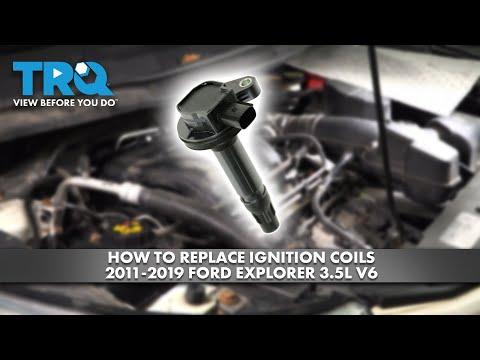
You’ll be replacing the ignition coils on your Explorer, which sit on top of the engine and create the spark for each cylinder. This helps fix misfires, rough running, or coil-related check-engine lights.
Difficulty Level: Beginner | Estimated Time: 1–2 hours
⚠️ Safety & Precautions
- ⚠️ Work on a cool engine to avoid burns from hot metal and plastic parts.
- ⚠️ Disconnect the negative battery cable before unplugging coils to avoid electrical shorts.
- ⚠️ Do not pull on the spark plug/coil wires by the wire; always grab connectors by the plastic housing.
- ⚠️ Keep metal tools away from the battery positive terminal to avoid sparks.
- ⚠️ If the check engine light is on, use a scan tool after repair to clear codes and confirm the fix.
🔧 Required Tools
You'll need the following tools for this repair:
- 10mm socket
- 8mm socket
- 1/4-inch drive ratchet
- 1/4-inch drive extension (3–6 inch)
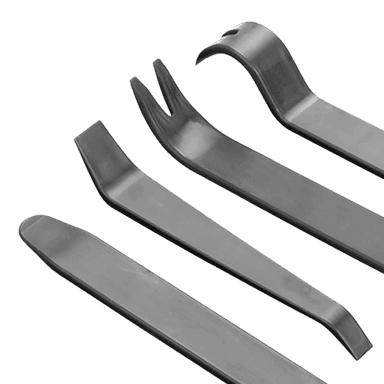
- Plastic trim clip remover tool
- Small flathead screwdriver
- Torque wrench (inch-pound, 20–200 in-lbs range)
- Shop light or flashlight
- Mechanic’s gloves
- Safety glasses
- OBD2 scan tool (basic)
🔩 Required Parts
HowToo sells all the parts you need for this repair:
- Ignition coil (3.3L V6) - Qty: 6
- Dielectric grease - Qty: 1 small tube
- Plastic engine cover clips (if damaged) - Qty: 2–4
- Battery terminal protector spray - Qty: 1 (optional)
📋 Before You Begin
- Park your Explorer on level ground, shift to PARK, and set the parking brake.
- Switch ignition to OFF and remove the key/fob from the vehicle.
- Open the hood and secure it with the hood prop rod.
- Disconnect the negative battery cable using a 10mm socket and move it aside so it cannot spring back.
- If you have engine fault codes, note them with an OBD2 scan tool before starting.
🔨 Step-by-Step Instructions
Follow these steps in order:
Step 1: Remove engine appearance cover
- Use the 10mm socket and ratchet to remove any visible bolts securing the plastic engine cover (if equipped).
- Use the plastic trim clip remover tool to gently pop any plastic clips holding the cover.
- Lift the engine cover straight up and set it aside in a safe place.
- Check underneath for any loose clips and retrieve them.
Step 2: Identify ignition coils and cylinder banks
- On your V6, you have 6 ignition coils, one on each cylinder, sitting on top of the engine, bolted into the valve covers.
- The front bank is closest to the radiator; the rear bank is closer to the firewall (windshield side).
- Each coil has a small electrical connector and a single small bolt holding it down.
- Start with front bank; it’s easier and builds confidence.
Step 3: Disconnect electrical connector from first coil
- Pick one coil on the front bank to start with.
- Use the small flathead screwdriver to gently lift the locking tab on the coil’s electrical connector.
- While holding the tab up, pull the connector straight back by the plastic body, not the wires.
- Inspect the connector for corrosion or bent pins; note anything unusual.
Step 4: Remove coil hold-down bolt
- Use the 8mm socket, extension, and 1/4-inch ratchet to remove the single bolt holding the coil to the valve cover.
- Turn counterclockwise until the bolt is completely free and remove it carefully so you do not drop it into the engine bay.
- Keep bolt with its coil to avoid mixing hardware.
Step 5: Remove the ignition coil
- Gently twist the coil side to side by hand to break it loose from the spark plug.
- Pull the coil straight up and out of the spark plug well.
- If it feels stuck, continue gentle twisting; do not pry hard with metal tools.
- Inspect the rubber boot of the coil for oil, cracks, or burn marks.
Step 6: Prepare the new coil
- Compare the new coil to the old one to be sure the connector shape, bolt hole, and boot length match.
- Place a very small amount of dielectric grease inside the rubber boot opening of the new coil. This helps future removal and improves insulation.
- Do not let grease touch coil connector pins.
Step 7: Install the new coil on the spark plug
- Align the new coil so the boot goes straight onto the spark plug in the well.
- Press the coil down firmly by hand until you feel it seat on the plug.
- Make sure the bolt hole in the coil lines up with the threaded hole in the valve cover.
Step 8: Reinstall and torque the coil bolt
- Start the coil bolt by hand to avoid cross-threading.
- Use the 8mm socket, extension, and ratchet to snug the bolt down.
- Use the inch-pound torque wrench with the 8mm socket to tighten the bolt to 8 Nm (71 in-lbs).
- Do not overtighten; threads are in soft aluminum.
Step 9: Reconnect electrical connector
- Push the coil electrical connector straight onto the coil until it clicks.
- Gently tug on the connector to confirm it is locked and will not come loose.
- Repeat a quick visual check: connector fully seated, wire not twisted or pinched.
Step 10: Repeat for remaining front bank coils
- Repeat Steps 3–9 for the remaining two coils on the front bank, one at a time.
- Always finish one coil completely before unplugging the next one to avoid mixing parts or connectors.
- Label old coils 1–3 if you want to keep track.
Step 11: Access the rear bank coils
- The rear bank coils are at the back of the engine near the firewall.
- Move any small hoses or wiring looms gently out of your way by hand; do not disconnect unless necessary.
- Use the shop light or flashlight to clearly see each coil and bolt.
- Take your time; space is tighter but manageable.
Step 12: Replace rear bank coils
- For each rear coil, follow the same sequence: disconnect connector, remove 8mm bolt, twist and lift coil out, prepare new coil with a little dielectric grease, install and seat coil, reinstall bolt, and plug in connector.
- Use the 8mm socket and extension carefully to avoid dropping bolts behind the engine.
- Tighten each rear coil bolt to 8 Nm (71 in-lbs) using the torque wrench.
- If you drop a bolt, use a magnet pickup tool if available.
Step 13: Double-check your work
- Look over all six coils and make sure:
- All coil bolts are installed and tightened.
- All electrical connectors are clicked in and locked.
- No tools or rags are left in the engine bay.
- Gently push on each connector to be sure nothing is loose.
Step 14: Reinstall engine cover
- Place the engine cover back over the engine, aligning any rubber grommets or locating pins.
- Press down firmly by hand to seat the cover on its mounts.
- Use the 10mm socket and ratchet to reinstall any bolts and snug them down (just firm hand-tight).
- Reinstall any plastic clips by hand; use the plastic trim clip remover tool gently if needed to align them.
Step 15: Reconnect the battery
- Reconnect the negative battery cable to the battery post.
- Use the 10mm socket and ratchet to tighten the clamp until it is snug; do not overtighten.
- If you have battery terminal protector spray, apply a light coating now.
✅ After Repair
- Start your Explorer and let it idle. The engine should run smoothly with no shaking or stumbling.
- Use your OBD2 scan tool to read and clear any stored fault codes related to misfires or coils.
- Take a short test drive (5–10 minutes) with mixed speeds and light acceleration, listening for any hesitation or misfire.
- After the drive, recheck under the hood to confirm all connectors are still secure and there are no unusual smells or noises.
💰 DIY vs Shop Cost
Shop Cost: $450–$750 (parts + labor)
DIY Cost: $180–$360 (parts only, all 6 coils)
You Save: $270–$390 by doing it yourself!
Shop labor rates typically run $100–$150/hour. This repair takes a shop approximately 1.5–2.0 hours.
🎯 Ready to get started?
HowToo makes it easy: same-day/2-day shipping on every part, plus all the tools and specialty tools you need! Check out the parts and tools sections below to add everything to your cart.
Guide for Ignition Coil replace for these Ford vehicles
| Year Make Model | Sub Model | Engine | Body Style |
|---|---|---|---|
| 2023 Ford Explorer | - | V6 3.3L | - |
| 2022 Ford Explorer | - | V6 3.3L | - |
| 2021 Ford Explorer | - | V6 3.3L | - |
| 2020 Ford Explorer | - | V6 3.3L | - |