









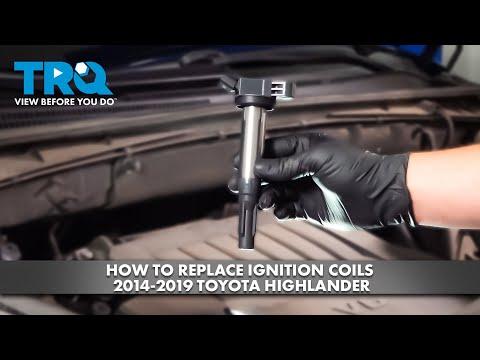





How to Replace Ignition Coils on a 2019 Toyota Highlander 3.5L V6
Step-by-step DIY guide with tools, parts, torque specs, rear bank access, and safety tips for 2017, 2018, 2019, 2020, 2021
How to Replace Ignition Coils on a 2019 Toyota Highlander 3.5L V6
Step-by-step DIY guide with tools, parts, torque specs, rear bank access, and safety tips for 2017, 2018, 2019, 2020, 2021


🔧 Highlander - Ignition Coil Replacement
Replacing ignition coils on your Highlander involves removing the plastic engine cover, disconnecting the coil electrical connectors, unbolting the coils, and installing new ones. Ignition coils create the high voltage needed to fire the spark plugs, and a weak coil can cause misfires, rough idle, flashing check engine light, or poor acceleration.
Difficulty Level: Beginner to Intermediate | Estimated Time: 1-2 hours
⚠️ Safety & Precautions
- ⚠️ Work only on a cool engine to avoid burns from the intake manifold and cylinder heads.
- ⚠️ Disconnect the negative battery cable before unplugging ignition coil connectors.
- ⚠️ Do not pull on wiring. Pull only on the connector body after releasing the locking tab.
- ⚠️ Keep dirt, bolts, and tools out of the spark plug wells.
- ⚠️ If the check engine light is flashing, avoid driving until the misfire is repaired because catalytic converter damage can occur.
🔧 Required Tools
You'll need the following tools for this repair:
- 10mm socket
- 12mm socket
- 3/8-inch drive ratchet
- 3/8-inch drive 6-inch extension
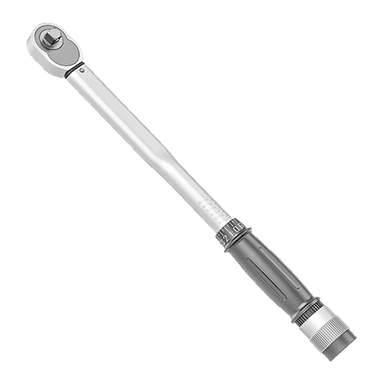
- Torque wrench, inch-pound range
- Flathead screwdriver, small tip
- Trim clip removal tool
- Needle-nose pliers
- Magnetic pickup tool
- Shop towel set
- Safety glasses
- Nitrile gloves
🔩 Required Parts
HowToo sells all the parts you need for this repair:
- Ignition coil - Qty: 1-6 as needed
- Dielectric grease packet - Qty: 1
- Intake manifold/plenum gasket set - Qty: 1, only if accessing rear bank coils
📋 Before You Begin
- Park your Highlander on level ground, shift to Park, and set the parking brake.
- Let the engine cool completely before working near the intake manifold.
- Open the hood and support it securely.
- Use a 10mm socket to disconnect the negative battery cable, then move the cable away from the battery post.
- If replacing only one failed coil, match the repair to the scan code cylinder number. The front bank is easier to reach; rear bank coils may require intake plenum removal.
- Assumption: Procedure covers direct ignition coil replacement on the 3.5L V6, including notes for front and rear bank access.
🔨 Step-by-Step Instructions
Follow these steps in order:
Step 1: Remove the Engine Cover
- Use both hands to lift the plastic engine cover straight upward from its rubber mounting grommets.
- Set the cover aside on a clean surface.
- Lift evenly to avoid cracking it.
Step 2: Locate the Ignition Coils
- Look for the black coil units mounted directly on top of the spark plug tubes.
- Each coil has one electrical connector and one small retaining bolt.
- A spark plug tube is the deep round opening where the spark plug sits inside the cylinder head.
Step 3: Disconnect the Coil Connector
- Use a small flathead screwdriver to gently press the connector lock tab if it is stiff.
- Pull the electrical connector straight back by the connector body.
- Do not pull on the wires.
- Old plastic tabs break easily.
Step 4: Remove the Coil Retaining Bolt
- Use a 10mm socket, 3/8-inch drive ratchet, and 6-inch extension to remove the ignition coil retaining bolt.
- Use a magnetic pickup tool if the bolt starts to fall.
- Set the bolt in a safe place.
Step 5: Remove the Ignition Coil
- Twist the coil gently left and right by hand to loosen the rubber boot.
- Pull the coil straight upward out of the spark plug tube.
- A coil boot is the rubber lower section that seals around the spark plug.
- Inspect the old coil boot for oil, coolant, cracks, carbon tracking, or swelling.
Step 6: Prepare the New Ignition Coil
- Use a shop towel to wipe dirt away from the top of the spark plug tube.
- Apply a very small amount of dielectric grease inside the end of the new coil boot.
- Dielectric grease is non-conductive grease that helps seal moisture out of the boot.
- Do not fill the boot with grease.
Step 7: Install the New Ignition Coil
- Push the new ignition coil straight down into the spark plug tube by hand.
- Press until you feel the boot seat onto the spark plug.
- Install the retaining bolt by hand first to avoid cross-threading.
- Use a 10mm socket and torque wrench to tighten the coil bolt to Torque to 8 Nm (71 in-lbs).
- Start bolts by hand first.
Step 8: Reconnect the Coil Connector
- Push the electrical connector onto the ignition coil until it clicks.
- Gently tug the connector body by hand to confirm it is locked.
Step 9: Repeat for Other Front Bank Coils
- Use the same 10mm socket, ratchet, extension, and torque wrench for each accessible front coil.
- Replace only the failed coil if you are repairing a single-cylinder misfire.
- Replace all six if you are doing a full ignition refresh.
Step 10: Access Rear Bank Coils if Needed
- If replacing rear bank coils, use a 10mm socket and 12mm socket to remove intake air duct brackets and intake plenum fasteners as needed for access.
- Use needle-nose pliers to release small hose clamps if a vacuum hose blocks access.
- Use a trim clip removal tool for plastic harness clips attached to the intake plenum area.
- The intake plenum is the upper air chamber that distributes air to the engine cylinders.
- Cover open intake ports with clean shop towels immediately after lifting the plenum.
- Replace the intake manifold/plenum gaskets before reassembly.
- Use a 10mm socket and torque wrench to tighten the intake plenum fasteners evenly to Torque to 21 Nm (15 ft-lbs).
- Never drop bolts into intake ports.
Step 11: Reinstall the Engine Cover
- Align the plastic engine cover with the rubber grommets.
- Press down by hand until it snaps into place.
Step 12: Reconnect the Battery
- Use a 10mm socket to reconnect the negative battery cable.
- Tighten the terminal snugly. Do not overtighten it.
- Start the engine and let it idle.
✅ After Repair
- ✅ Start your Highlander and listen for smooth idle.
- ✅ Confirm there are no warning lights, misfires, or rough running.
- ✅ If a scan tool is available, clear stored misfire codes and recheck after a short drive.
- ✅ Test drive gently for 10-15 minutes, then recheck for loose connectors or vacuum leaks.
- ✅ If the battery was disconnected, the idle may relearn after a few drive cycles.
💰 DIY vs Shop Cost
Shop Cost: $250-$950 depending on how many coils are replaced and whether rear bank access is needed
DIY Cost: $50-$500 depending on coil quantity and gasket needs
You Save: $150-$450 by doing it yourself!
Shop labor rates vary but typically run $100-$150/hour. This repair takes a shop approximately 0.5-2.0 hours.
🎯 Ready to get started?
HowToo makes it easy: same-day/2-day shipping on every part, plus all the tools and specialty tools you need! Check out the parts and tools sections below to add everything to your cart.