














How to Replace Ignition Coils on a 2018 Toyota RAV4 2.5L Engine
Step-by-step DIY ignition coil replacement with tools, parts list, torque specs, safety tips, and post-repair checks for 2009, 2010, 2011, 2012, 2013, 2014, 2015, 2016, 2017, 2018
How to Replace Ignition Coils on a 2018 Toyota RAV4 2.5L Engine
Step-by-step DIY ignition coil replacement with tools, parts list, torque specs, safety tips, and post-repair checks for 2009, 2010, 2011, 2012, 2013, 2014, 2015, 2016, 2017, 2018


🔧 RAV4 - Ignition Coil Replacement
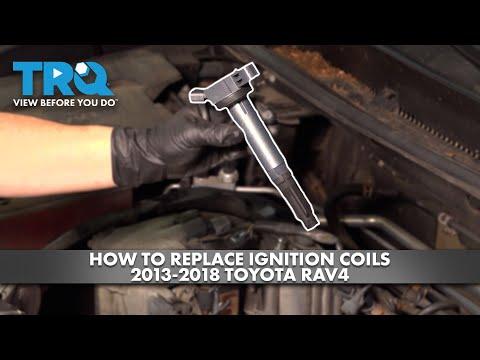
You’ll be removing the engine cover, unplugging each ignition coil, unbolting it, and swapping in new ones. On your RAV4’s 2.5L engine, all four coils are on top and easy to reach.
Difficulty Level: Beginner | Estimated Time: 0.5–1.0 hours
⚠️ Safety & Precautions
- 🛑 Let the engine cool completely before working under the hood to avoid burns.
- 🔋 Disconnect the negative battery terminal if you’re nervous about working around live wiring.
- 🧤 Wear safety glasses and gloves to protect your eyes and hands.
- ⚡ Never pull on wires; only pull on the plastic connectors and the coil body.
- 🔥 Keep metal tools away from the battery positive terminal while working.
🔧 Required Tools
You'll need the following tools for this repair:
- 🧰 10mm socket
- 🧰 1/4" drive ratchet
- 🧰 3" socket extension
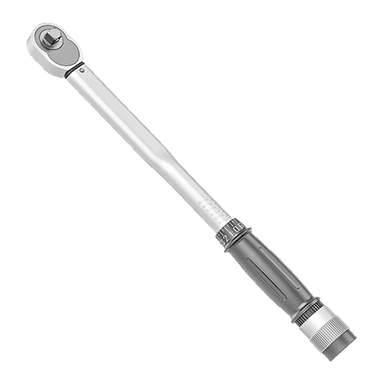
- 🧰 Torque wrench (inch-lb or low-range Nm)
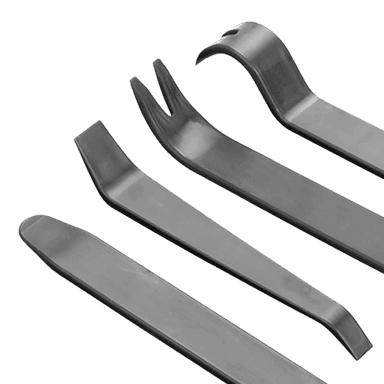
- 🧰 Flat trim removal tool
- 🧰 Small flathead screwdriver
- 🧰 OBD2 scan tool (basic code reader) (specialty)
- 🧰 Mechanic’s gloves
- 🧰 Safety glasses
- 🧰 Clean shop rag
🔩 Required Parts
HowToo sells all the parts you need for this repair:
- 🔩 Ignition coil set (2.5L 2AR-FE) - Qty: 4
- 🔩 Ignition coil connector retaining clips - Qty: 4 (optional but recommended if any are brittle or broken)
- 🔩 Dielectric grease (for ignition components) - Qty: 1 small tube
- 🔩 Battery terminal protector spray - Qty: 1 (optional)
📋 Before You Begin
- 🚗 Park the RAV4 on level ground, shift to Park, and set the parking brake.
- 🔌 Turn the ignition off and remove the key; wait at least 5 minutes for electronics to sleep.
- 🔋 If you choose to disconnect the battery, loosen the negative terminal nut with a 10mm socket and move the cable aside so it cannot touch the post.
- 🧼 Wipe off any heavy dirt around the top of the engine with a clean shop rag so it does not fall into the spark plug wells when coils are removed.
🔨 Step-by-Step Instructions
Follow these steps in order:
Step 1: Remove the engine cover
- Open the hood and secure it with the hood prop.
- The plastic engine cover on your RAV4 is held on by rubber grommets, not bolts.
- Place both hands near the corners of the cover and pull straight up firmly to pop it off the grommets.
- Lift the cover away and set it aside in a safe place.
Step 2: Identify the ignition coils
- You will see four black ignition coils lined up on top of the engine, each with an electrical connector and one small bolt.
- Each coil sits directly over a spark plug.
Step 3: Disconnect the first ignition coil connector
- Pick one coil to start with and finish that coil before moving to the next; this helps avoid mixing things up.
- Press down on the small plastic locking tab of the connector with your thumb.
- If the tab is stiff, gently help it with a small flathead screwdriver while pulling the connector straight back.
- Do not twist or pull on the wires; only handle the plastic connector body.
Step 4: Remove the ignition coil hold-down bolt
- Place a 10mm socket on a 3" socket extension and attach it to your 1/4" drive ratchet.
- Remove the single 10mm bolt holding the coil to the valve cover by turning counterclockwise.
- Keep the bolt in a safe spot; you will reuse it.
Step 5: Remove the ignition coil
- Grip the top of the coil and gently twist it left and right to break it loose from the spark plug.
- Pull the coil straight upward and out of the spark plug well.
- Inspect the coil boot (the long rubber part) for oil or heavy corrosion.
- If you see engine oil inside the well, you may have a valve cover gasket issue that will need attention later.
Step 6: Prepare and install the new ignition coil
- Apply a very small amount of dielectric grease inside the rubber boot of the new coil where it will contact the spark plug.
- Use only a thin film, not a big blob.
- Carefully insert the new coil into the spark plug well, lining up the boot with the plug.
- Press down firmly until you feel it seat onto the spark plug.
Step 7: Reinstall and torque the ignition coil bolt
- Thread the original 10mm bolt in by hand to avoid cross-threading.
- Use the 10mm socket and ratchet to snug the bolt lightly.
- Set your torque wrench to 10 Nm (89 in-lb).
- Use the torque wrench with the 10mm socket to tighten the coil bolt to 10 Nm (89 in-lb).
- Do not overtighten; the threads are in aluminum.
Step 8: Reconnect the ignition coil connector
- Push the coil connector straight onto the new coil until you hear or feel a click.
- Lightly tug on the connector to confirm it is locked in place.
- If any original retaining clip is cracked, replace it with a new one now.
Step 9: Repeat for the remaining coils
- Repeat Steps 3–8 for the other three coils, doing them one at a time.
- Work methodically from one end of the engine to the other.
- Make sure every coil gets:
- Its connector unplugged and then replugged
- Its 10mm bolt removed, then reinstalled and torqued to 10 Nm (89 in-lb)
- A small dab of dielectric grease in the boot
Step 10: Reinstall the engine cover
- Align the engine cover over its mounting points on the top of the engine.
- Press down firmly at each corner and in the center until you feel it snap onto the rubber grommets.
Step 11: Reconnect the battery (if disconnected)
- Place the negative battery cable back on the negative battery post.
- Use a 10mm socket and ratchet to tighten the clamp nut until snug; do not overtighten.
- Optionally spray with battery terminal protector spray to reduce corrosion.
✅ After Repair
- 🧪 Start the engine and let it idle. It should run smoothly with no shaking or misfire.
- 🔍 Look and listen under the hood for any unusual sounds or visible arcing (sparks). You should not see or hear any.
- 💡 If your check engine light was on for a coil misfire, use an OBD2 scan tool to read and clear any stored codes.
- 🚙 Take a short test drive around the block. Acceleration should feel smooth and normal.
- 📻 You may need to reset your clock or radio presets if the battery was disconnected.
💰 DIY vs Shop Cost
Shop Cost: $350–$550 (parts + labor)
DIY Cost: $180–$300 (parts only, full set of 4 coils)
You Save: $170–$250 by doing it yourself!
Shop labor rates vary but typically run $100–$150/hour. This repair takes a shop approximately 0.5–1.0 hours.
🎯 Ready to get started?
HowToo makes it easy: same-day/2-day shipping on every part, plus all the tools and specialty tools you need! Check out the parts and tools sections above to add everything to your cart.