









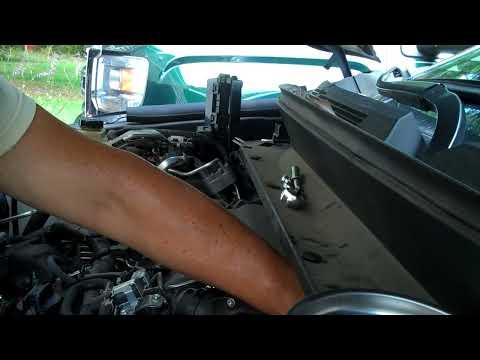







How to Replace Ignition Coils on a 2018 Nissan Pathfinder (Front & Rear Bank)
Step-by-step coil swap with required tools/parts, intake plenum removal tips, and torque specs for 2013, 2014, 2015, 2016, 2017, 2018, 2019, 2020, 2022, 2023, 2024
How to Replace Ignition Coils on a 2018 Nissan Pathfinder (Front & Rear Bank)
Step-by-step coil swap with required tools/parts, intake plenum removal tips, and torque specs for 2013, 2014, 2015, 2016, 2017, 2018, 2019, 2020, 2022, 2023, 2024


🔧 Pathfinder - Ignition Coil Replacement
Ignition coils create the high voltage needed to fire the spark plugs. On your Pathfinder, the front three coils are easy to access, but the rear three sit under the upper intake plenum, so the job can range from simple to more involved.
Difficulty Level: Intermediate | Estimated Time: 1.0-3.0 hours
⚠️ Safety & Precautions
- ⚠️ Let the engine cool fully before starting (burn risk).
- ⚠️ Disconnect the negative battery cable to prevent accidental shorting and to protect electronics.
- ⚠️ If you remove the upper intake plenum, keep dirt out of the intake ports (a clean rag works well).
- ⚠️ Don’t pull on wiring—always release connector locks first.
🔧 Required Tools
You'll need the following tools for this repair:
- Safety glasses
- Nitrile gloves
- Floor jack (rated 3-ton minimum)
- Jack stands (rated 3-ton minimum)
- Wheel chocks
- 10mm socket
- 8mm socket
- 1/4" drive ratchet
- 3/8" drive ratchet
- 3" extension
- 6" extension
- Universal joint swivel adapter
- Torque wrench (in-lb)
- Torque wrench (ft-lb)
- Flat trim tool
- Pick tool
- Pliers
- Shop rags
- OBD2 scan tool
🔩 Required Parts
HowToo sells all the parts you need for this repair:
- Ignition coil - Qty: 1-6
- Upper intake plenum gasket - Qty: 1 (needed if rear coils are replaced)
- Dielectric grease - Qty: 1 (optional)
📋 Before You Begin
- Park on level ground, shift to Park, and set the parking brake.
- Open the hood and remove any loose jewelry or hanging clothing.
- Use a 10mm socket to disconnect the negative battery cable, then tuck it aside so it can’t spring back.
- If you’re replacing only one coil due to a misfire, use an OBD2 scan tool to note the cylinder misfire code first (example: P030x).
🔨 Step-by-Step Instructions
Follow these steps in order:
Step 1: Remove the engine cover (if equipped)
- Pull up on the cover evenly (or remove fasteners if present) using a flat trim tool as needed.
Step 2: Decide which coils you’re accessing (front bank vs rear bank)
- Front bank coils are visible at the front of the engine once the cover is off.
- Rear bank coils require removing the upper intake plenum.
- If unsure, tell me your misfire code.
Step 3: Remove a front-bank ignition coil (repeat per cylinder)
- Press the connector lock and unplug the coil using a pick tool gently if the tab is stubborn.
- Remove the coil hold-down bolt using a 10mm socket and 1/4" drive ratchet.
- Twist the coil slightly and pull it straight up to remove it.
Step 4: Install a front-bank ignition coil (repeat per cylinder)
- Optional: apply a tiny smear of dielectric grease inside the coil boot.
- Push the coil straight down until fully seated on the spark plug.
- Install the hold-down bolt using a 10mm socket, then Torque to 8 N·m (71 in-lb) using a torque wrench (in-lb).
- Reconnect the electrical connector until it clicks.
Step 5: If replacing rear-bank coils, remove the air intake duct
- Loosen intake clamps using an 8mm socket and 1/4" drive ratchet.
- Disconnect any small breather hose(s) using pliers.
- Lift the duct out and set it aside.
Step 6: Remove the upper intake plenum (rear coil access)
- Unplug any electrical connectors attached to the plenum area using a pick tool as needed for the lock tabs.
- Disconnect vacuum/PCV/EVAP hoses using pliers; mark them with tape if helpful.
- Remove the plenum mounting bolts using a 10mm socket, 3/8" drive ratchet, and extensions.
- Lift the plenum off carefully and place shop rags into the exposed intake openings to keep debris out.
Step 7: Replace rear-bank ignition coils (repeat per cylinder)
- Unplug each coil connector using a pick tool if needed.
- Remove the coil hold-down bolt using a 10mm socket and 1/4" drive ratchet.
- Remove/install each coil as described earlier.
- Torque to 8 N·m (71 in-lb) using a torque wrench (in-lb).
Step 8: Reinstall the upper intake plenum
- Remove old gasket material and install the new upper intake plenum gasket.
- Set the plenum in place straight down (don’t pinch hoses).
- Install bolts finger-tight, then tighten evenly using a 10mm socket.
- Torque to 25 N·m (18 ft-lb) using a torque wrench (ft-lb).
- Reconnect all hoses and connectors until fully seated/locked.
Step 9: Reinstall intake duct and engine cover
- Reinstall the intake duct and tighten clamps using an 8mm socket.
- Reinstall the engine cover by pressing it down evenly.
Step 10: Reconnect the battery
- Reconnect the negative battery cable using a 10mm socket.
✅ After Repair
- Start the engine and let it idle for 1–2 minutes. Listen for a smooth idle.
- Check that no hoses are hissing (vacuum leak) and that the intake duct clamps are tight.
- Use an OBD2 scan tool to clear codes and confirm the misfire does not return.
- Test drive 10–15 minutes, then recheck for any warning lights.
💰 DIY vs Shop Cost
Shop Cost: $350-$900 (parts + labor)
DIY Cost: $60-$450 (parts only)
You Save: $290-$450 by doing it yourself!
Shop labor rates vary but typically run $100-$150/hour. This repair takes a shop approximately 1.0-3.0 hours.
🎯 Ready to get started?
HowToo makes it easy: same-day/2-day shipping on every part, plus all the tools and specialty tools you need! Check out the parts and tools sections below to add everything to your cart.