









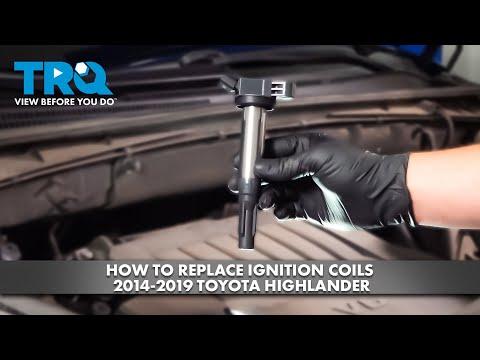





How to Replace Ignition Coils on a 2016 Toyota Highlander 3.5L V6
Step-by-step repair guide with tools, parts, torque specs, and safety tips for 2008, 2009, 2010, 2011, 2012, 2013, 2014, 2015, 2016
How to Replace Ignition Coils on a 2016 Toyota Highlander 3.5L V6
Step-by-step repair guide with tools, parts, torque specs, and safety tips for 2008, 2009, 2010, 2011, 2012, 2013, 2014, 2015, 2016


🔧 Ignition Coils - Replacement
Your Highlander uses six ignition coils, one per cylinder. The front bank is easy to reach, while the rear bank sits under the upper engine area and takes more time. Replacing a bad coil can fix misfires, rough running, and check engine lights.
Difficulty Level: Intermediate | Estimated Time: 1.5-3 hours
⚠️ Safety & Precautions
- Let the engine cool fully before starting. Ignition coils sit on a hot engine.
- Disconnect the negative battery cable before unplugging coil connectors.
- Do not pull on the wire harness. Press the connector tab first.
- Keep dirt out of the spark plug tubes. Debris can damage the engine.
- If the check engine light is flashing, do not keep driving it.
🔧 Required Tools
You'll need the following tools for this repair:
- 10mm socket
- 3/8-inch ratchet
- 3-inch extension
- 6-inch extension
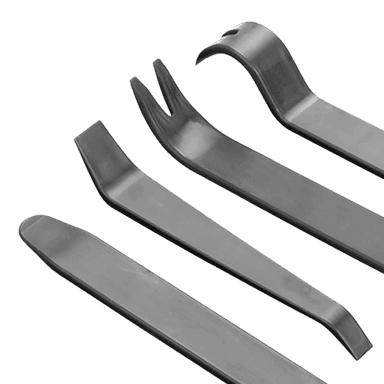
- Trim clip tool
- Flat-blade screwdriver
- Torque wrench
- Needle-nose pliers
- Gloves
- Safety glasses
🔩 Required Parts
HowToo sells all the parts you need for this repair:
- Ignition coil - Qty: 6
- Valve cover gasket set - Qty: 1 if oil is leaking into the plug wells
- Dielectric grease - Qty: 1 tube
📋 Before You Begin
- Park on level ground and set the parking brake.
- Let the engine cool down completely.
- Save your radio settings if needed before disconnecting the battery.
- Use the correct coil for the 3.5L V6. The front and rear banks use the same style on this engine.
🔨 Step-by-Step Instructions
Follow these steps in order:
Step 1: Disconnect the battery
- Use a 10mm socket to loosen the negative battery cable.
- Move the cable aside so it cannot touch the battery post.
Step 2: Remove the engine cover
- Pull up on the engine cover by hand. If it resists, use gentle upward pressure at the corners.
- Set the cover aside where it will not get damaged.
Step 3: Access the front bank coils
- The front bank is on top and easiest to reach.
- Use a 10mm socket to remove any small brackets or covers blocking the coils.
- Press the lock tab and unplug each coil connector.
Step 4: Remove the front ignition coils
- Use a 10mm socket to remove each coil hold-down bolt.
- Twist the coil slightly, then pull it straight up.
- Torque to 8 Nm (71 in-lbs) on installation.
Step 5: Access the rear bank coils
- Use a 10mm socket, 3-inch extension, and 6-inch extension to remove the upper intake or upper engine cover pieces if they block access.
- Move hoses or wiring clips carefully out of the way.
- Unplug each rear coil connector by pressing the tab first.
Step 6: Remove the rear ignition coils
- Use a 10mm socket with extensions to remove each rear coil bolt.
- Twist the coil gently and pull it straight out of the spark plug tube.
- If a coil is stuck, use a slight rocking motion. Do not pry hard.
- Torque to 8 Nm (71 in-lbs) on installation.
Step 7: Install the new coils
- Compare each new coil to the old one before installing.
- If desired, apply a small amount of dielectric grease inside the coil boot. Dielectric grease helps seal the connection.
- Push each coil straight down until fully seated.
- Install the hold-down bolt by hand first, then tighten with a torque wrench.
- Reconnect each electrical connector until it clicks.
Step 8: Reassemble the intake and covers
- Reinstall any removed brackets, covers, or intake pieces using the 10mm socket.
- Make sure no wires are pinched.
- Reinstall the engine cover by pressing it down evenly.
Step 9: Reconnect the battery
- Use a 10mm socket to tighten the negative battery cable.
- Make sure the terminal is snug and cannot rotate by hand.
✅ After Repair
- Start the engine and let it idle.
- Listen for smooth running and check for warning lights.
- If the check engine light was on, clear codes with a scan tool after the repair.
- If a misfire remains, inspect the spark plugs and coil connectors next.
💰 DIY vs Shop Cost
Shop Cost: $450-$900 (parts + labor)
DIY Cost: $180-$450 (parts only)
You Save: $270-$450 by doing it yourself!
Shop labor rates vary but typically run $100-$150/hour. This repair takes a shop approximately 1.5-3 hours.
🎯 Ready to get started?
HowToo makes it easy: same-day/2-day shipping on every part, plus all the tools and specialty tools you need! Check out the parts and tools sections below to add everything to your cart.