









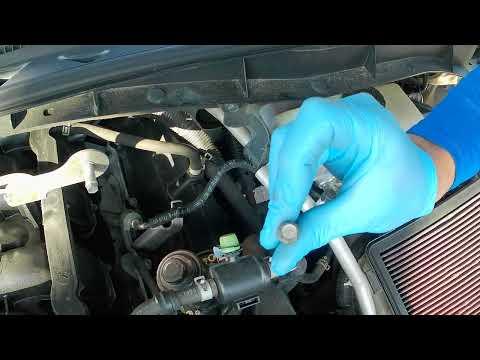






How to Replace Ignition Coils on a 2016 Nissan TITAN XD 5.6L V8 (Coil-on-Plug)
Step-by-step DIY instructions with tools, parts list, plenum removal tips for rear coils, and torque specs for 2016, 2017, 2018, 2019, 2020, 2021, 2022, 2023
How to Replace Ignition Coils on a 2016 Nissan TITAN XD 5.6L V8 (Coil-on-Plug)
Step-by-step DIY instructions with tools, parts list, plenum removal tips for rear coils, and torque specs for 2016, 2017, 2018, 2019, 2020, 2021, 2022, 2023


🔧 TITAN XD - Ignition Coil Replacement
Your TITAN XD uses coil-on-plug ignition coils (one coil per cylinder). Replacing a weak coil can fix misfires, rough idle, and flashing check-engine light, and helps protect the catalytic converters from raw fuel.
Difficulty Level: Intermediate | Estimated Time: 1.5-3.0 hours
Assumption: 5.6L V8 coil-on-plug layout; rear coils may need plenum removal.
⚠️ Safety & Precautions
- ⚠️ Let the engine cool fully before starting (burn risk).
- ⚠️ Disconnect the negative battery cable to prevent accidental shorts.
- ⚠️ Do not pull on wiring; release connectors by the lock tab.
- ⚠️ Keep dirt out of spark plug wells; debris can cause misfires.
- ⚠️ If the check engine light was flashing, avoid driving until repaired.
🔧 Required Tools
You'll need the following tools for this repair:
- Safety glasses
- Nitrile gloves
- 10mm socket
- 12mm socket
- 1/4" ratchet
- 3/8" ratchet
- 3" extension
- 6" extension
- Torque wrench (5–30 Nm range) (specialty)
- Flathead screwdriver
- Pliers
- Trim clip removal tool
- Shop vacuum
- Compressed air blow gun
- OBD2 scan tool (specialty)
- Magnetic pickup tool
- Flashlight
🔩 Required Parts
HowToo sells all the parts you need for this repair:
- Ignition coil - Qty: 1 (or Qty: 8 if replacing all)
- Dielectric grease - Qty: 1 (thin film)
- Upper intake plenum gasket set - Qty: 1 (only if plenum is removed)
- Throttle body gasket - Qty: 1 (only if throttle body is removed)
📋 Before You Begin
- Park on level ground, shift to Park, and set the parking brake.
- Open the hood and remove any loose jewelry/clothing that can snag.
- Use a 10mm socket to disconnect the negative battery cable and isolate it so it can’t spring back.
- Label connectors with masking tape if you’re removing multiple coils at once.
- Clean around the coils with a shop vacuum and compressed air blow gun before opening spark plug wells.
🔨 Step-by-Step Instructions
Follow these steps in order:
Step 1: Remove the engine cover (if equipped)
- Pull up firmly on the cover by hand, or remove fasteners using a 10mm socket if your cover is bolted.
- Set the cover aside where it won’t get stepped on.
Step 2: Remove the air intake duct (for access)
- Loosen the hose clamps using a flathead screwdriver.
- Disconnect any small breather hose(s) using pliers if clamps are present.
- Lift the duct out and set it aside.
Step 3: Decide your access path (front coils vs rear coils)
- If the coil you’re replacing is easy to reach, continue to Step 4.
- If the coil is buried at the rear and you can’t get a socket straight onto the coil bolt, go to Step 8 (plenum removal path).
Step 4: Unplug the ignition coil electrical connector
- Press the connector lock tab and pull the connector straight off by hand.
- If it’s stubborn, gently help it using a trim clip removal tool (do not pry hard on the wires).
Step 5: Remove the ignition coil retaining bolt
- Use a 10mm socket with a 1/4" ratchet and extension to remove the coil bolt.
- Put the bolt somewhere safe (a magnetic pickup tool helps if it drops).
Step 6: Remove the ignition coil
- Twist the coil slightly, then pull straight upward to remove it from the spark plug well.
- Blow out the spark plug well using a compressed air blow gun before installing the new coil.
- Do one coil at a time to avoid mix-ups.
Step 7: Install the new ignition coil
- Apply a very thin film of dielectric grease inside the rubber boot (this is an electrical-safe grease that prevents moisture and helps future removal).
- Push the new coil straight down until it fully seats on the spark plug.
- Install the retaining bolt by hand first, then tighten with a 10mm socket.
- Tighten with a torque wrench: Torque to 8 Nm (71 in-lbs).
- Reconnect the electrical connector until it clicks.
Step 8: (If needed) Remove the upper intake plenum for rear coil access
- Disconnect the intake duct fully (if not already) using a flathead screwdriver and pliers.
- Unclip/remove any plastic covers or wire loom clips using a trim clip removal tool.
- Disconnect necessary vacuum/EVAP hoses using pliers, and move them aside.
- Unplug any plenum/throttle related connectors that prevent lifting the plenum (press tabs by hand; use flashlight for visibility).
- Remove the plenum mounting bolts using a 12mm socket with a 3/8" ratchet and extension.
- Lift the plenum straight up and off. Cover the intake openings with a clean lint-free cloth immediately.
- Replace the plenum gaskets during reassembly.
Step 9: Replace the rear ignition coil(s)
- Repeat Steps 4 through 7 for the coil(s) you couldn’t reach.
Step 10: Reinstall the upper intake plenum (if removed)
- Remove the cloths covering the intake openings.
- Install new plenum gasket(s), then set the plenum in place.
- Start all bolts by hand, then tighten evenly using a 12mm socket.
- Tighten with a torque wrench: Torque to 25 Nm (18 ft-lbs).
- Reconnect all hoses and electrical connectors until fully seated/clicked.
Step 11: Reinstall the intake duct and engine cover
- Reinstall the intake duct and tighten clamps using a flathead screwdriver.
- Reinstall the engine cover (press into grommets or tighten bolts with a 10mm socket if equipped).
Step 12: Reconnect the battery
- Reconnect the negative battery cable using a 10mm socket.
✅ After Repair
- Start the engine and let it idle for 2 minutes. It should run smooth with no shaking.
- If you had a check-engine light, use an OBD2 scan tool to clear codes and confirm none return.
- Road test for 10–15 minutes. Recheck for warning lights and any intake air leaks (hissing sound).
- If you removed the plenum, do a quick visual recheck for any unplugged connector or loose hose.
💰 DIY vs Shop Cost
Shop Cost: $250-$650 (1-2 coils) | $900-$1,600 (all 8)
DIY Cost: $50-$120 (1 coil) | $350-$900 (all 8)
You Save: $200-$700 (single repair) or $500-$900+ (full set) by doing it yourself!
Shop labor rates vary but typically run $100-$150/hour. This repair takes a shop approximately 1.5-3.0 hours.
🎯 Ready to get started?
HowToo makes it easy: same-day/2-day shipping on every part, plus all the tools and specialty tools you need! Check out the parts and tools sections below to add everything to your cart.