









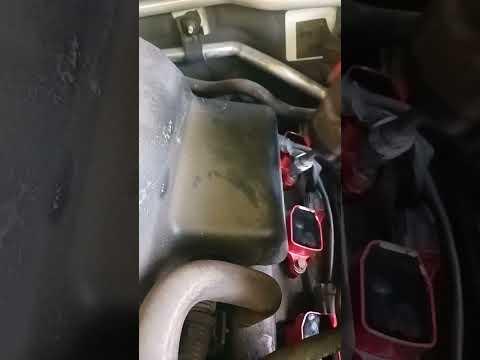




How to Replace Ignition Coils on a 2016 Nissan Pathfinder 3.5L V6 (Front & Rear Bank)
Step-by-step DIY guide with tools, parts, intake plenum removal tips, and key torque specs for 2013, 2014, 2015, 2016
How to Replace Ignition Coils on a 2016 Nissan Pathfinder 3.5L V6 (Front & Rear Bank)
Step-by-step DIY guide with tools, parts, intake plenum removal tips, and key torque specs for 2013, 2014, 2015, 2016


🔧 Pathfinder - Ignition Coil Replacement
Your Pathfinder uses one ignition coil per cylinder (6 total). A bad coil can cause a misfire, rough idle, flashing check-engine light, and poor power. On this V6, the front coils are easy to access; the rear coils usually require removing the upper intake manifold (plenum) for access.
Difficulty Level: Intermediate | Estimated Time: 1.5-3.5 hours
⚠️ Safety & Precautions
- ⚠️ Work on a cool engine to avoid burns.
- ⚠️ Disconnect the negative battery cable to prevent accidental shorts.
- ⚠️ Don’t pull on wiring—release connectors by pressing the lock tab first.
- ⚠️ Keep dirt out of the intake and spark plug holes; contamination can cause engine damage.
🔧 Required Tools
You'll need the following tools for this repair:
- 10mm socket
- 8mm socket
- 12mm socket
- 1/4" drive ratchet
- 3/8" drive ratchet
- 3" extension
- 6" extension
- Universal swivel joint
- Torque wrench (5–30 Nm range)
- Flat trim tool
- Needle-nose pliers
- Shop vacuum
- Painter’s tape
- Marker pen
- OBD2 scan tool
- Safety glasses
- Nitrile gloves
🔩 Required Parts
HowToo sells all the parts you need for this repair:
- Ignition coil - Qty: 1-6
- Upper intake manifold gasket set - Qty: 1
- Throttle body gasket - Qty: 1
- Dielectric grease - Qty: 1
📋 Before You Begin
- Park on level ground, shift to Park, and set the parking brake.
- Disconnect the battery using a 10mm socket (negative cable first) and isolate the cable so it can’t spring back.
- Use painter’s tape and a marker pen to label any hoses/connectors you unplug. This prevents mix-ups during reassembly.
- If your check-engine light was on, plug in an OBD2 scan tool and note the misfire code (P0301–P0306) before disconnecting the battery.
🔨 Step-by-Step Instructions
Follow these steps in order:
Step 1: Remove the engine cover (if equipped)
- Remove the plastic engine cover fasteners using a 10mm socket or pull-up retainers with a flat trim tool.
- Lift the cover off and set it aside.
Step 2: Identify which coils you’re replacing
- If you’re replacing one failed coil, match the cylinder from your code (example: P0302 = cylinder 2).
- If you’re doing preventive maintenance, plan to replace coils in the same bank or all 6 for consistency.
Step 3: Remove a front-bank ignition coil (easy access)
- Unplug the coil connector by pressing the lock tab and pulling straight back.
- Remove the coil hold-down bolt using a 10mm socket.
- Twist the coil gently, then pull it straight up and out (this breaks the rubber boot seal).
- Install the new coil by pushing it straight down until fully seated.
- Reinstall the hold-down bolt and Torque to 8 Nm (71 in-lbs) using a torque wrench.
- Reconnect the electrical connector until it clicks.
Step 4: Gain access to the rear-bank coils (upper intake manifold removal)
- Remove the intake duct/hose clamps using an 8mm socket and move the duct out of the way.
- Unplug the throttle body electrical connector.
- Disconnect vacuum/PCV hoses as needed using needle-nose pliers and label them with painter’s tape.
- Remove the upper intake manifold (plenum) bolts using a 12mm socket with a 6" extension and universal swivel joint.
- Lift the plenum straight up and off.
- Immediately place clean rags in the lower intake openings. Nothing must fall in.
Step 5: Replace the rear-bank coils
- Use a shop vacuum to remove loose dirt around the coil areas before opening anything.
- Unplug each coil connector by pressing the lock tab.
- Remove each coil hold-down bolt using a 10mm socket.
- Twist and pull the coil straight up to remove.
- Apply a tiny smear of dielectric grease inside the new coil boot (this helps prevent moisture and makes future removal easier).
- Install the new coil, reinstall the bolt, and Torque to 8 Nm (71 in-lbs) using a torque wrench.
- Reconnect connectors until they click.
Step 6: Reinstall the upper intake manifold (plenum)
- Remove the old upper intake gaskets and install the new upper intake manifold gasket set.
- Make sure the gasket surfaces are clean and dry. Do not gouge aluminum surfaces with metal tools.
- Set the plenum back in place carefully, making sure it sits flat.
- Install bolts finger-tight first, then tighten evenly in a crisscross pattern using a 12mm socket.
- Torque to 25 Nm (18 ft-lbs) using a torque wrench.
- Reconnect all hoses and electrical connectors (use your labels).
Step 7: Reinstall intake ducting and engine cover
- Reinstall the intake duct and tighten clamps using an 8mm socket.
- Reinstall the engine cover using a 10mm socket or push retainers with a flat trim tool.
Step 8: Reconnect battery and check your work
- Reconnect the negative battery cable using a 10mm socket.
- Visually recheck: no leftover tools, all connectors clicked in, all hoses attached, no rags left in the intake.
✅ After Repair
- Start the engine and let it idle for 2–3 minutes. It may idle slightly rough at first if the battery was disconnected.
- Use an OBD2 scan tool to clear codes and confirm the misfire does not return.
- Test drive 10–15 minutes with light to moderate acceleration. Recheck for warning lights.
- If the throttle body was unplugged/removed and idle seems unstable, an idle relearn may be needed (best done with a scan tool).
💰 DIY vs Shop Cost
Shop Cost: $350-$900 (parts + labor)
DIY Cost: $60-$420 (parts only)
You Save: $290-$480+ by doing it yourself!
Shop labor rates vary but typically run $100-$150/hour. This repair takes a shop approximately 1.5-3.5 hours.
🎯 Ready to get started?
HowToo makes it easy: same-day/2-day shipping on every part, plus all the tools and specialty tools you need! Check out the parts and tools sections below to add everything to your cart.