









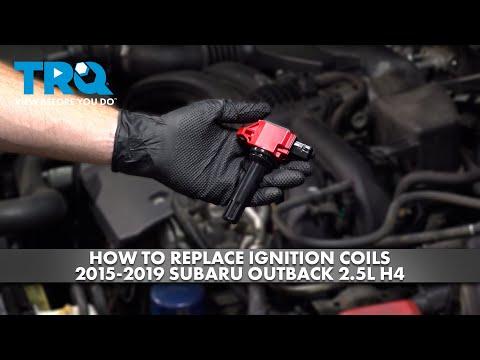





How to Replace Ignition Coils on a 2015 Subaru Outback 2.5L (All 4 Coils)
Step-by-step coil swap with required tools, parts list, access tips, and 57 in-lb (6.4 Nm) torque spec
How to Replace Ignition Coils on a 2015 Subaru Outback 2.5L (All 4 Coils)
Step-by-step coil swap with required tools, parts list, access tips, and 57 in-lb (6.4 Nm) torque spec


🔧 Outback - Ignition Coil Replacement
Your Outback’s ignition coils sit on top of each spark plug and create the high-voltage spark that fires the engine. Replacing a bad coil is usually straightforward, but access is tight on the flat (boxer) engine, so you’ll move a few items out of the way to reach all 4 coils.
Difficulty Level: Intermediate | Estimated Time: 1.0-2.0 hours
Assumption: Stock 2.5L engine bay, replacing all 4 coils.
⚠️ Safety & Precautions
- ⚠️ Let the engine cool fully before starting; coils sit near hot engine parts.
- ⚠️ Disconnect the negative battery cable to prevent accidental shorts and to protect electronics.
- ⚠️ Do not pull on wiring; unplug connectors by the lock tab to avoid broken clips.
- ⚠️ Keep dirt out of the spark plug tubes; debris can cause misfires.
🔧 Required Tools
You'll need the following tools for this repair:
- 10mm socket
- 3/8" ratchet
- 3" extension
- 6" extension
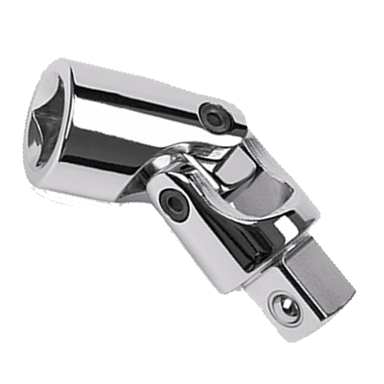
- Universal joint adapter
- Torque wrench (inch-pound)
- Flathead screwdriver
- Pliers
- Trim clip removal tool
- Battery terminal wrench (10mm)
- Fender cover
- Nitrile gloves
- Safety glasses
🔩 Required Parts
HowToo sells all the parts you need for this repair:
- Ignition coils - Replace all four - Qty: 4
- Dielectric grease - Qty: 1
📋 Before You Begin
- Park on level ground, shift to Park, and set the parking brake.
- Open the hood and install a fender cover to protect paint.
- Disconnect the battery: use a 10mm battery terminal wrench to remove the negative (-) cable and tuck it aside.
- Lay out the new coils and keep them clean (no dirt on the rubber boots).
🔨 Step-by-Step Instructions
Follow these steps in order:
Step 1: Remove the engine cover (if equipped)
- Pull up firmly on the cover to release it from the rubber grommets (no tools needed).
- Set it aside.
Step 2: Create access to the passenger-side coils
- Use a flathead screwdriver to loosen the intake hose clamp(s).
- Use pliers to release any spring clamps on small breather hoses, then slide the hoses off.
- Use a 10mm socket with a 3/8" ratchet to remove airbox/duct bolts (as equipped).
- Lift the intake duct/airbox pieces out enough to access both passenger-side coils.
- Tip: Take a quick photo before removing hoses.
Step 3: Create access to the driver-side coils
- Use a 10mm battery terminal wrench to confirm the negative cable is off.
- Use a 10mm socket and 3/8" ratchet to remove the battery hold-down and lift the battery out.
- Use a 10mm socket and 3/8" ratchet to remove the battery tray bolts, then remove the tray.
- This opens up access to the driver-side coils.
- Tip: Batteries are heavy—lift with both hands.
Step 4: Unplug an ignition coil electrical connector
- Pick one coil to start (front is usually easiest).
- Press the connector lock tab and pull the connector straight off by hand.
- If it’s stuck, gently assist with a trim clip removal tool—do not pry hard.
- Definition: The “lock tab” is the small latch that holds the plug on.
Step 5: Remove the ignition coil retaining bolt
- Use a 10mm socket with a 6" extension and 3/8" ratchet to remove the single bolt holding the coil.
- Keep the bolt safe; you’ll reuse it unless your new coil includes one.
Step 6: Remove the old ignition coil
- Grab the coil body, twist it slightly left/right to break the seal, then pull it straight out.
- If space is tight, use a universal joint adapter on your extension for better angles.
- Inspect the coil boot for oil or coolant contamination.
- Tip: Twisting first prevents boot tearing.
Step 7: Install the new ignition coil
- Apply a tiny smear of dielectric grease inside the rubber boot (helps sealing and future removal).
- Push the new coil straight onto the spark plug until fully seated.
- Reinstall the retaining bolt by hand first (to avoid cross-threading).
- Use a torque wrench (inch-pound) with a 10mm socket to tighten the coil bolt: Torque to 6.4 Nm (57 in-lbs).
Step 8: Reconnect the coil connector
- Push the connector on until it clicks.
- Gently tug to confirm it’s locked.
Step 9: Repeat for the remaining 3 coils
- Repeat Steps 4–8 for each coil.
- Work one coil at a time so connectors don’t get mixed up.
Step 10: Reinstall the battery, tray, and intake parts
- Reinstall the battery tray using a 10mm socket and 3/8" ratchet.
- Set the battery in place and reinstall the hold-down using a 10mm socket.
- Reconnect the negative (-) terminal using a 10mm battery terminal wrench.
- Reinstall intake/airbox pieces, reconnect hoses, and tighten clamps using a flathead screwdriver.
- Reinstall the engine cover by pressing it onto the grommets.
✅ After Repair
- Start the engine and let it idle for 1–2 minutes; it should run smooth.
- Check that no warning lights (like Check Engine) appear.
- If you had a misfire code, clear it with a scan tool (if available); otherwise it may clear after a few drive cycles.
- Take a short test drive and recheck that intake hoses are secure (no hissing/whistling).
💰 DIY vs Shop Cost
Shop Cost: $350-$750 (parts + labor)
DIY Cost: $160-$450 (parts only)
You Save: $190-$300+ by doing it yourself!
Shop labor rates vary but typically run $100-$150/hour. This repair takes a shop approximately 1.0-2.0 hours.
🎯 Ready to get started?
HowToo makes it easy: same-day/2-day shipping on every part, plus all the tools and specialty tools you need! Check out the parts and tools sections below to add everything to your cart.